
The Escalating Energy War: Analyzing Ukrainian Strikes on Russian Infrastructure & Reciprocal Attacks
The conflict in Ukraine has entered a new, deeply concerning phase: a direct targeting of energy infrastructure. Recent Ukrainian strikes on Russian energy facilities, leaving over 20,000 people without power in border regions, represent a significant escalation. Concurrently, Russia continues its relentless bombardment of ukraine’s energy grid, pushing the nation too the brink of a complete blackout. This isn’t simply about military strategy; it’s an energy war with far-reaching consequences for both nations and potentially, the wider European energy landscape. This article will delve into the details of these attacks, analyze the motivations behind them, and explore the potential ramifications, offering a extensive overview of this critical situation.
understanding the Recent attacks: A Regional Breakdown
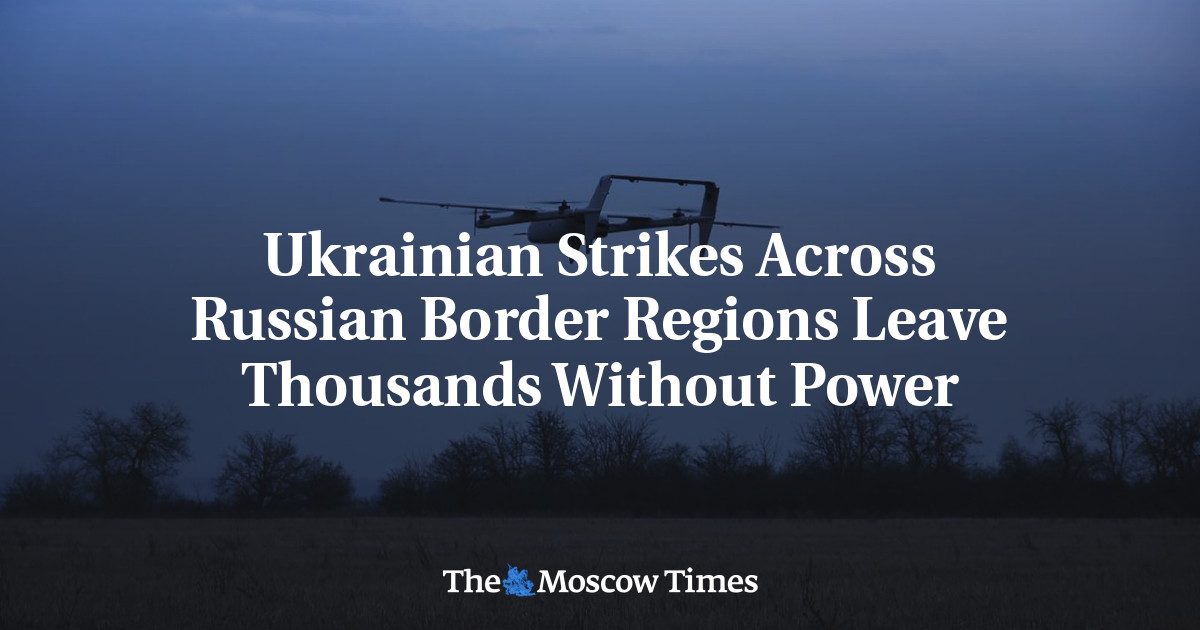
On sunday, November 9th, 2024, reports surfaced of widespread power outages across several Russian border regions. Governor vyacheslav Gladkov of the Belgorod region reported “severe damage” to the electricity and heating supply network in the regional capital, impacting over 20,000 residents. neighboring Kursk region experienced a fire at a power plant in Korenevo,disrupting power to ten municipalities. Further south, a heating facility in the Voronezh region also caught fire.
Did You Know? Ukraine has largely refrained from directly acknowledging responsibility for attacks within Russia, often attributing them to “sabotage” or “karma.” This ambiguity is a deliberate tactic, designed to maintain plausible deniability and avoid escalating the conflict beyond a certain threshold.
These attacks occurred amidst a backdrop of intensified Russian strikes on Ukraine’s energy infrastructure. on Saturday, russia launched 69 drones targeting energy facilities, with 34 intercepted by Ukrainian air defenses. The Ukrainian state power provider reported a reduction of generating capacity to “zero” on Sunday, highlighting the devastating impact of these assaults.Tragically, these attacks resulted in at least four civilian deaths.
The Russian Defense Ministry countered by claiming the destruction of 44 Ukrainian drones over the Bryansk region. this reciprocal pattern of attacks underscores the increasingly desperate nature of the conflict.
Motivations and Strategic Implications of Targeting energy Infrastructure
The deliberate targeting of energy infrastructure is a hallmark of modern warfare, aiming to cripple an enemy’s ability to sustain military operations and maintain civilian life. For Ukraine, these strikes on Russian territory are likely motivated by several factors:
* Retaliation: Responding to Russia’s systematic destruction of Ukraine’s energy grid.
* Disruption of Logistics: Targeting energy facilities that support Russian military logistics and supply chains.
* demonstrating Capability: Signaling to Russia that Ukraine can strike deep within its territory, potentially deterring further aggression.
* Raising Domestic Morale: Providing a sense of agency and resistance to the Ukrainian population.
Russia’s attacks on Ukraine’s energy grid are equally strategic, aiming to:
* Weaken Ukraine’s War effort: Disrupting industrial production, military manufacturing, and dialog networks.
* Break Civilian Morale: Creating hardship and suffering, potentially undermining public support for the war.
* Force Negotiations: Pressuring Ukraine to concede territory or accept unfavorable peace terms.
* Prepare for Winter: making Ukraine more vulnerable during the harsh winter months.
Pro Tip: Understanding the concept of “critical infrastructure” is key to grasping the significance of these attacks. Critical infrastructure includes systems and assets vital to a nation’s security, economy, and public health – energy grids, transportation networks, communication systems, and water supplies.
The Broader Context: Energy Security and Geopolitical Ramifications
This escalating energy conflict extends beyond the immediate battlefield. It has significant implications for regional and global energy security. russia is a major energy exporter, and disruptions to its infrastructure could impact global supply chains and prices. Ukraine,while not a major exporter,is a crucial transit route for Russian gas to Europe. Damage to Ukrainian infrastructure could further exacerbate Europe’s energy crisis, especially as the continent prepares for winter.
The attacks also raise concerns about the potential for escalation. As both sides demonstrate a willingness to target critical infrastructure, the risk of miscalculation and unintended consequences increases. The involvement of NATO, even indirectly, remains a constant concern.
Analyzing the Technological Aspects: Drone Warfare and Infrastructure Vulnerability
The attacks highlight the growing importance of drone warfare. Both Ukraine and Russia are heavily reliant


