
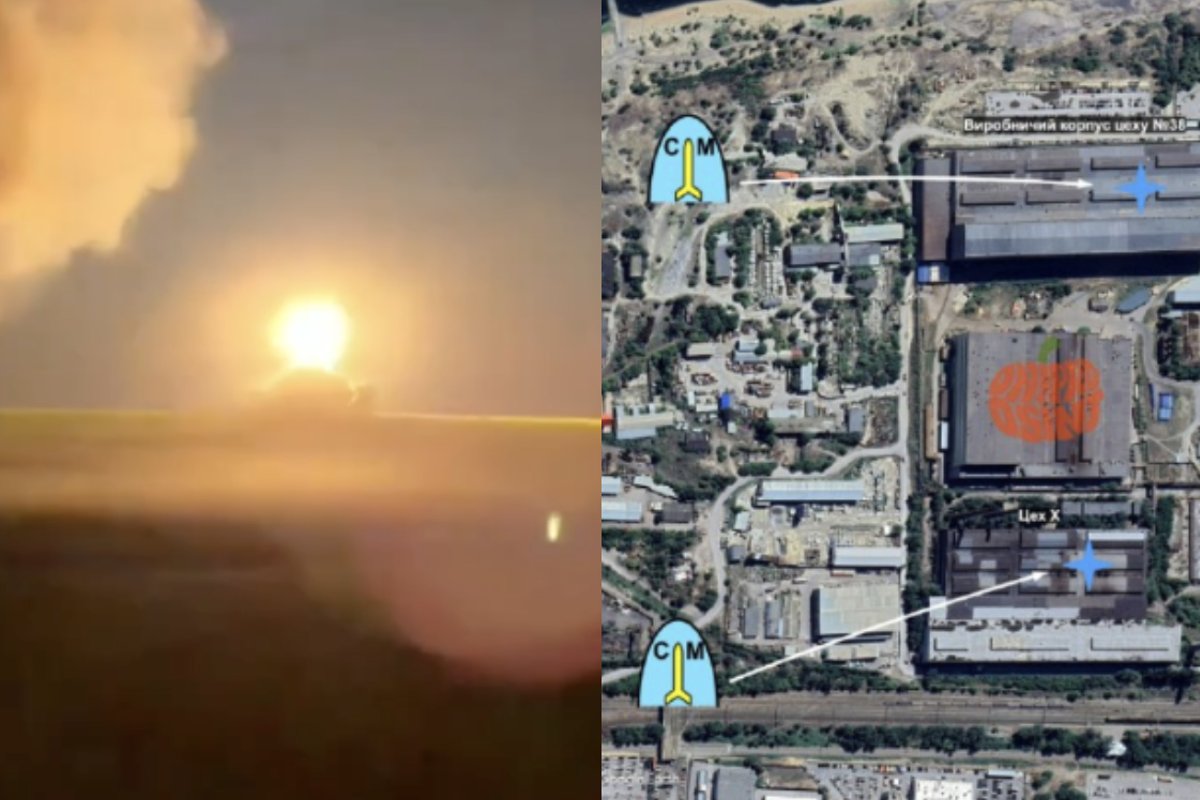
Ukrainian missile strikes targeted a military factory in the Volgograd region of Russia, according to reports. The facility, identified as a site involved in the production of Iskander-M and Yars missiles, became the focus of an operation that resulted in a fire. While authorities acknowledged the incident, they have provided limited information regarding the specific impact on production capabilities or damage to strategic infrastructure.
The strike represents an effort by Ukrainian forces to target facilities linked to the Russian defense sector. These operations are aimed at industrial hubs.
Incident Overview and Local Response
The incident occurred in the Volgograd region, where local residents reported explosions and a fire. According to reports, the fire was concentrated at a military factory, which authorities characterized as a target in the current conflict. Governor Andrei Bocharov confirmed that drone activity had been detected in the region, stating that air defense systems were engaged in neutralizing the threats.

The regional administration reported that while the majority of the incoming drones were intercepted, falling debris caused localized damage and sparked fires at the industrial site. There have been no verified reports of mass casualties, though emergency services were deployed to the scene to contain the blaze and secure the area. The scale of the fire, visible in footage circulated on social media, prompted a swift response from regional firefighting units tasked with preventing the spread of flames to surrounding infrastructure.
Strategic Significance of the Volgograd Facility
The Volgograd region serves as a node in Russia’s industrial network. Targeting facilities in this area is a move designed to disrupt the supply chain feeding the Russian military effort. By hitting sites involved in the manufacture or assembly of military components, Ukrainian forces aim to increase the operational cost for the Russian Ministry of Defense and force the redistribution of air defense assets away from the front lines.
The facility is involved in the production of Iskander-M and Yars missiles. The Russian government maintains strict control over information regarding its defense industry, often suppressing details about damage to sensitive sites. Consequently, the actual impact of this specific strike on the production of long-range weaponry remains unconfirmed by independent observers.
The Evolution of Long-Range Strikes
This event reflects a trend in the ongoing conflict: the increasing reliance on long-range unmanned aerial vehicles (UAVs) and “Flamingo” missiles by Ukraine. These have demonstrated the capability to evade traditional Russian radar coverage, which is primarily optimized for detecting conventional aircraft and cruise missiles. The ability to strike targets such as those in Volgograd suggests a shift in the tactical landscape, where the concept of a “safe” rear area is becoming increasingly obsolete for Russian military planners.
The effectiveness of these operations is frequently debated. While some analysts emphasize the psychological and logistics-disruptive value of such strikes, others point to the limited payload capacity of individual drones, which may struggle to cause catastrophic, permanent damage to hardened industrial facilities. Nevertheless, the frequency of these attacks forces the Russian military to constantly reassess its defensive posture, potentially diverting resources that might otherwise be deployed to support active offensive operations in Ukraine.
What Happens Next
The situation in Volgograd remains under observation as emergency responders continue to clear the site and assess the structural integrity of the affected buildings. The Russian Ministry of Defense has yet to issue a comprehensive damage report, a standard practice for the Kremlin when managing the optics of domestic security breaches. Observers expect continued monitoring of satellite imagery in the coming days, which may provide a clearer picture of the extent of the damage sustained by the facility.

For those following the conflict, the next significant update will likely come through official briefings from the Russian regional government or through international monitoring agencies that track industrial activity via open-source intelligence. We will continue to track these developments as more verified information becomes available. If you have insights or wish to discuss the implications of these strikes, please join the conversation in the comments section below or share this report with your network.