
As the geopolitical landscape shifts under the weight of simultaneous global crises, the question of how to address the ongoing war in Ukraine has returned to the center of European discourse. While the United States remains heavily preoccupied with tensions in the Middle East—specifically the escalating regional friction involving Iran—Kyiv has increasingly signaled that it needs Europe to assume a more proactive role in diplomatic maneuvering. However, the path toward any meaningful dialogue with Moscow is fraught with internal discord within the European Union, where consensus on both the messaging and the messenger remains elusive.
For those of us watching from Brussels or Sofia, the challenge is clear: Europe is currently attempting to define its own strategic autonomy in a conflict that has fundamentally altered the continent’s security architecture. The European Union has maintained a unified stance on sanctions and financial support since the February 2022 full-scale invasion, yet as noted by the European Council’s ongoing policy framework, transitioning from a provider of military and humanitarian aid to an active diplomatic mediator requires a degree of political alignment that the bloc has not yet achieved.
The conversation is no longer just about the logistics of support; it is about the “what” and the “who” of potential negotiations. Before any envoy can be dispatched or any formal framework proposed, European leaders must reconcile the varying priorities of member states that sit at vastly different distances—both geographically and politically—from the front lines.
The Challenge of a Unified European Voice
The primary hurdle in contemplating a diplomatic channel to Moscow is the lack of a singular, coherent message. The European Union operates on a consensus-based model, which, while democratic, often leads to a dilution of strategy when faced with high-stakes international crises. Currently, the bloc is navigating a complex environment where member states like Poland and the Baltic nations advocate for a focus on long-term security guarantees and the restoration of Ukraine’s 1991 borders, while others seek more immediate pathways to de-escalation.
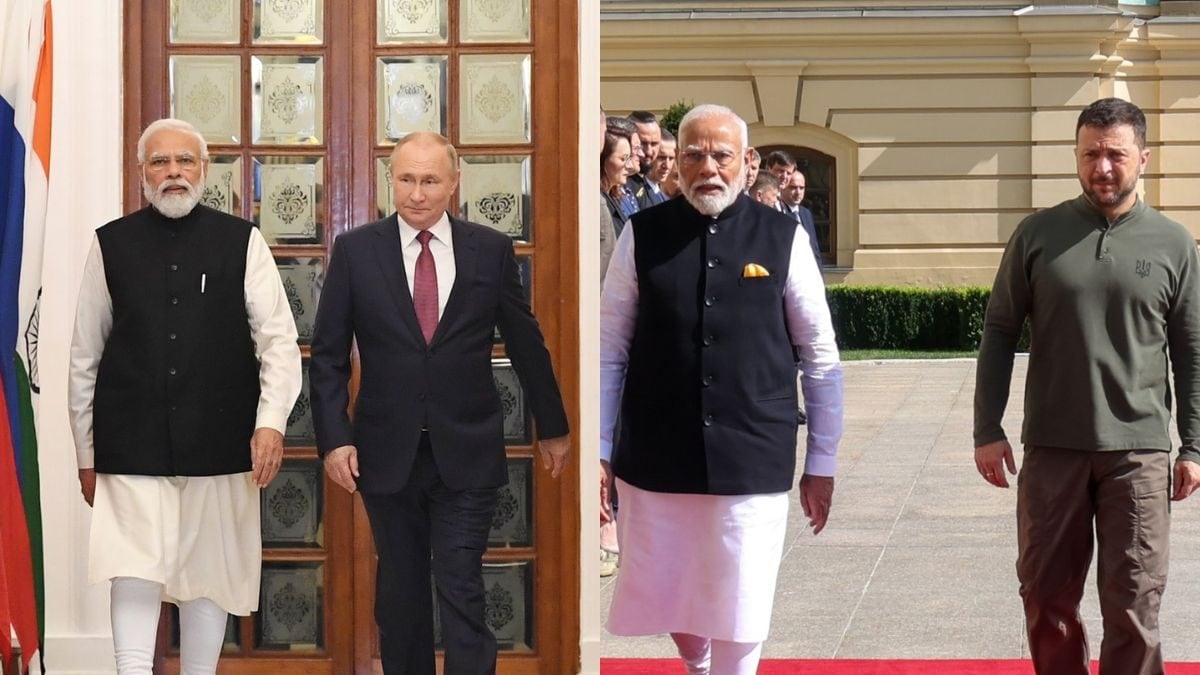
According to the European External Action Service, the EU’s core position remains that any settlement must be rooted in the principles of international law and respect for sovereignty. Yet, the practical implementation of this vision in a negotiation setting is hindered by the absence of a designated lead negotiator. Unlike the United States, which has historically relied on the Department of State’s specialized envoys, the EU lacks a permanent, high-level diplomatic post dedicated solely to mediation with the Kremlin.
This structural gap is significant. Without a clear mandate, any individual or state attempting to act as a mediator risks being perceived as representing only a subset of European interests rather than the collective will of the 27 member states. The fragmentation of this voice serves as a strategic advantage for Moscow, which has historically exploited divisions within Western alliances to stall or complicate diplomatic initiatives.
Who Could Serve as the European Mediator?
Identifying an envoy who commands both the respect of Kyiv and the necessary leverage to engage Moscow is a task of immense difficulty. The role requires a figure who can navigate the intricate web of European interests while maintaining a firm commitment to the conditions set by the Ukrainian government. As reported by the European Parliament’s analysis of the conflict, the diplomatic space is currently crowded with various actors, including Turkey and several Global South nations, all vying for influence.
The search for a European mediator involves several layers of scrutiny:
- Geopolitical Neutrality: The envoy must be seen as a representative of the EU’s collective security interests rather than the narrow interests of a single member state.
- Institutional Backing: Any mediator would require a robust, verifiable mandate from the European Council to ensure that negotiations are not undermined by internal disputes.
- Capacity for Engagement: The individual must possess the political gravitas to handle high-level discussions with Kremlin officials while ensuring that Kyiv’s red lines are preserved in any potential dialogue.
While various names have circulated in diplomatic circles, no consensus has emerged. The appointment of an envoy would likely require a formal decision by the European Council, an process that is itself subject to intense negotiation among heads of state.
Aligning Strategy with Reality
Any diplomatic effort must be grounded in the reality of the battlefield. The United Nations has continued to document the human toll and the ongoing destruction of infrastructure, which remains the central driver of Ukraine’s urgency. For the European Union, the fundamental question is not just how to talk to Russia, but how to ensure that any dialogue does not result in a “frozen conflict” that eventually benefits the aggressor.

The strategic necessity for Europe is to define what a “just peace” looks like. If Europe is to step into the role of a primary mediator, it must present a vision that accounts for the reality of the invasion while providing a sustainable path forward that does not compromise the security of Eastern Europe. This requires a level of internal cohesion that has been tested throughout the duration of the war.
the reliance on the United States for security in Europe remains a central pillar of the transatlantic relationship. Even as the U.S. Shifts focus toward its own regional challenges, the coordination between Washington and Brussels is essential. Any independent European initiative would likely need to be synchronized with the broader Western strategy to avoid conflicting signals that could be exploited by adversaries.
Next Steps for European Diplomacy
As we look toward the coming months, the European Union is expected to hold further high-level summits to discuss the future of its security policy and its engagement strategy regarding the war. The next scheduled European Council meeting will serve as a critical checkpoint for leaders to assess whether a consensus on a diplomatic framework—and a potential mediator—can be reached.
The path forward is undeniably difficult. It requires balancing the immediate, desperate needs of a nation under fire with the long-term, complex demands of continental stability. For Europe, the challenge is not just to talk, but to ensure that when it does, it speaks with the clarity, unity, and moral authority that the gravity of this moment demands.
What do you think is the most viable path for European diplomacy in the current climate? Share your thoughts in the comments section below, and join the conversation as we continue to track these developments.
Keep reading