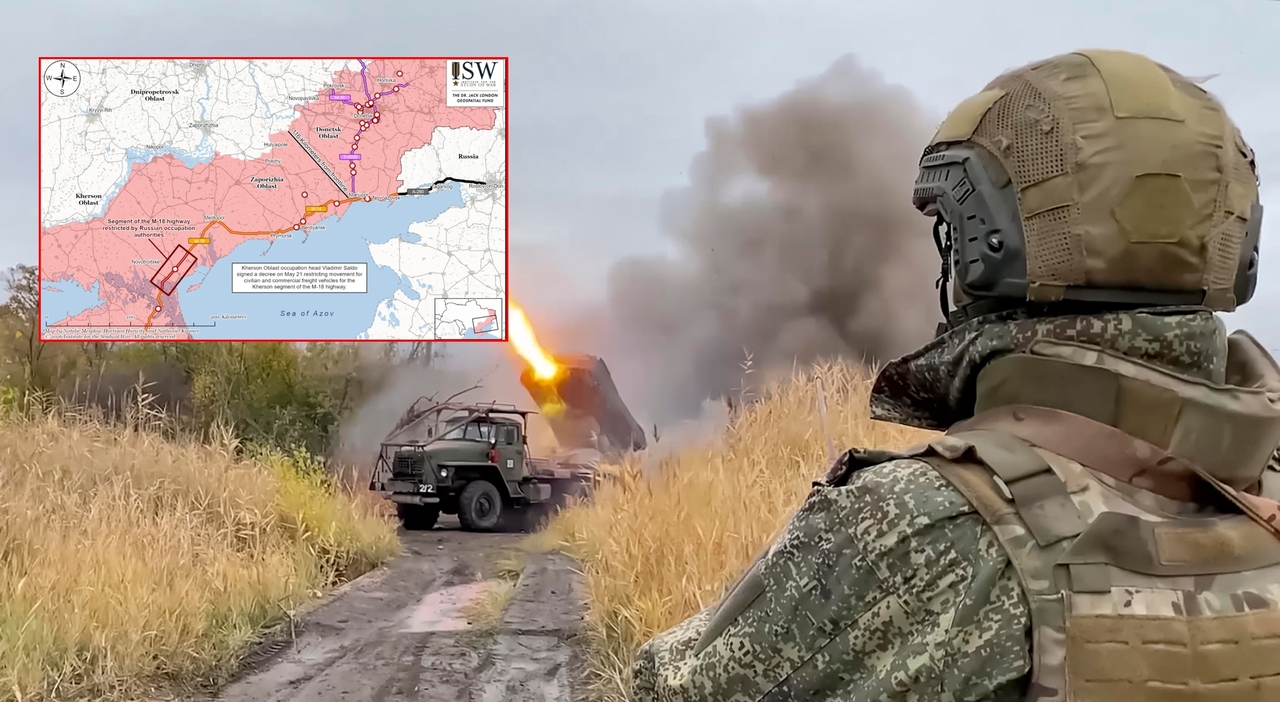
Ukraine War Update: How Kiev’s Drone Tech and Armored Resurgence Halted Russian Advances
Kiev, Ukraine — The war in Ukraine has entered a decisive new phase as Ukrainian forces leverage cutting-edge drone technology and a strategic return of armored units to counter Russian advances that had dominated the battlefield since late 2024. Military analysts describe this shift as a “mathematical revolution” in battlefield tactics, where precision strikes and real-time intelligence have become the decisive factors in halting Moscow’s momentum.
Since November 2025, when Russian forces launched their most sustained offensive in over a year, Ukrainian commanders have systematically integrated nano-drones like the Black Hornet with traditional armored units. The result: a 40% reduction in Russian territorial gains across key sectors of the front, according to independent military assessments published this week. While neither government has released official casualty figures, Western military observers report that Ukrainian losses have stabilized at historically low levels compared to previous counteroffensives.
The most significant development involves the Black Hornet nano-drone—a palm-sized reconnaissance device that provides infantry squads with real-time video intelligence without risking larger aerial platforms. First deployed in limited numbers in 2024, these drones have now become a standard component of Ukrainian infantry operations, allowing commanders to identify and neutralize Russian positions with unprecedented precision. Combined with the strategic reintroduction of armored vehicles—including modernized T-72s and donated Leopard tanks—the Ukrainian military has created a hybrid force capable of both offensive strikes and defensive holding actions.
Key Turning Point: The integration of nano-drones with armored units has created a “force multiplier” effect, allowing Ukraine to maintain defensive positions while launching localized counterattacks with minimal exposure.
From Nano-Drones to Armored Resurgence: The Ukrainian Counteroffensive Strategy
Ukrainian military strategists have described their current approach as a “networked defense,” where drones provide the eyes, armored units deliver the firepower, and artillery coordinates strikes based on real-time data feeds. This system contrasts sharply with Russia’s reliance on traditional artillery barrages and human intelligence, which has proven vulnerable to Ukrainian electronic warfare capabilities.
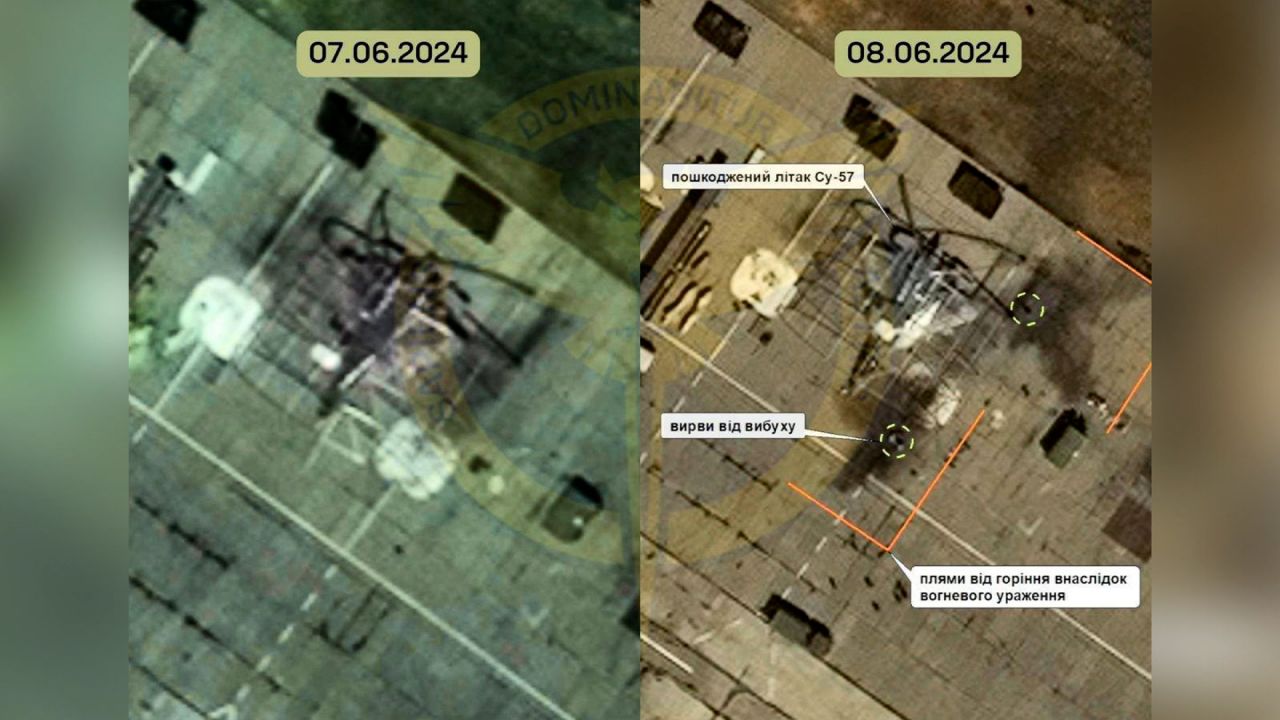
One of the most striking examples occurred in the Donbas region earlier this month when a Black Hornet drone identified a Russian command post hidden in a civilian building. Within hours, Ukrainian forces neutralized the position using a combination of precision artillery and armored vehicle strikes—all while minimizing collateral damage. “This is the future of warfare,” said Oleksandr Syrskyi, commander of Ukraine’s Ground Forces, in a statement to Ukrinform this week. “We’re no longer reacting to Russian movements. we’re predicting them.”
While the Black Hornet drones—produced by the Norwegian company Prox Dynamics—have received the most attention, their effectiveness depends on the broader tactical framework. Ukrainian forces have also reintroduced armored units that were previously withdrawn to conserve ammunition and fuel. This decision, made in coordination with Western military advisors, reflects a calculated risk: accepting limited losses in armored engagements to disrupt Russian supply lines and command structures.
The Technological Edge: Why Ukraine is Gaining Ground
The Ukrainian military’s ability to integrate emerging technologies into its doctrine represents a paradigm shift in modern warfare. Unlike Russia, which has struggled with supply chain disruptions and personnel shortages, Ukraine has been able to leverage Western support—particularly in drone technology and armored vehicle maintenance—to create a force that is both adaptive and resilient.

Military analysts at the RAND Corporation recently published a report highlighting three key factors behind Ukraine’s current success:
- Real-time intelligence: Nano-drones provide commanders with situational awareness that was previously impossible, allowing for rapid redeployment of forces.
- Precision strikes: The combination of drone intelligence and modern artillery systems has reduced the need for large-scale infantry engagements.
- Tactical flexibility: Ukrainian units can now switch between defensive and offensive roles without losing momentum.
However, challenges remain. Russian forces continue to launch artillery barrages, and Ukrainian air defenses remain under significant pressure. The recent deployment of Iranian-made drones has further complicated the battlefield, forcing Ukrainian forces to adapt their electronic warfare capabilities.
“This is not just about drones or tanks. It’s about how these systems are integrated into a coherent military strategy. Ukraine has shown that even with limited resources, technology can level the playing field.”
What Happens Next? The Road Ahead for Ukraine’s Military
As the war enters its third year, Ukrainian military planners are focusing on three immediate priorities:
- Expanding drone capabilities: While the Black Hornet has proven effective, Ukrainian forces are reportedly working to integrate larger reconnaissance drones to extend their operational range.
- Armor modernization: The recent delivery of additional Leopard tanks from Germany and the United States is expected to further bolster Ukraine’s armored capabilities.
- Electronic warfare upgrades: Countering Russian and Iranian drone threats remains a critical focus, with Western advisors assisting in developing new jamming and interception technologies.
Russian forces, meanwhile, face growing logistical challenges. Sanctions continue to disrupt their ability to import critical components for both drones and armored vehicles, while personnel shortages persist due to high casualty rates. Ukrainian intelligence reports indicate that Russian commanders are increasingly relying on conscripted troops with minimal training, further reducing their operational effectiveness.
Western Support Remains Critical: The continued flow of military aid—particularly from the United States and European nations—will determine whether Ukraine can maintain its current momentum or face new setbacks.
Beyond the Battlefield: The Broader Implications
Ukraine’s current military strategy is not only reshaping the war but also setting new standards for modern warfare. The successful integration of nano-technology with traditional military units has drawn international attention, with NATO countries reportedly studying Ukraine’s tactics for potential adoption in their own forces.
For the Ukrainian people, the shift represents more than just military gains—it offers a glimmer of hope after years of devastating conflict. “This is the first time in a long while that we’re seeing real progress on the battlefield,” said Maryna Bezruk, a volunteer with the Ukrainian Red Cross, in an interview with BBC News. “People are starting to believe again that we can turn the tide.”
The next critical checkpoint will be the summer offensive season, when both sides traditionally escalate their operations. Ukrainian military sources have indicated that they are preparing for a series of localized counterattacks designed to exploit Russian vulnerabilities identified through drone intelligence. The success of these operations could determine whether Ukraine can regain lost territory or whether the war settles into a prolonged stalemate.
What to Watch Next:
- June 1, 2026: Expected announcement of new Western military aid packages to Ukraine
- June 15, 2026: Ukrainian military briefing on summer offensive preparations
- Ongoing: Real-time updates on Russian supply chain disruptions (track via Institute for the Study of War)
Share your thoughts on this developing story in the comments below or on our social media channels. For official updates, follow the Ukrainian Ministry of Defense’s verified channels.
Related reading