Ukraine Accepts EU Assistance to Restore Druzhba Pipeline, Amidst Funding Stalemate
Kyiv has accepted an offer of technical and financial support from the European Union to repair damage to the Druzhba pipeline, a critical artery for Russian oil deliveries to Hungary and Slovakia. The move comes as the EU seeks to unlock a €90 billion aid package for Ukraine, currently stalled by Hungarian objections linked to the pipeline’s operational status. Even as Ukraine anticipates repairs to be completed within a month and a half, barring further Russian attacks, the situation remains politically charged, with Budapest accusing Kyiv of deliberately delaying the resumption of oil flows. The restoration of the Druzhba pipeline has become a central bargaining chip in broader negotiations over financial assistance and sanctions against Russia, highlighting the complex interplay between energy security, geopolitical strategy, and economic interests in the ongoing conflict.
The Druzhba pipeline, meaning “friendship” in Russian, has been a cornerstone of Russian energy exports to Europe for decades. Damage sustained in January, which Ukraine attributes to a Russian strike, disrupted supplies to Hungary and Slovakia, both countries that have maintained relatively close ties with Moscow despite the war. The interruption prompted protests from both nations, who initiated investigations into the cause of the outage. Hungary, in particular, has been vocal in its criticism, directly linking the resumption of oil flows to its approval of the EU’s proposed financial aid package for Ukraine. This stance has created a significant impasse within the EU, as unanimous agreement is required for such substantial financial commitments.
Repair Timeline and EU Support
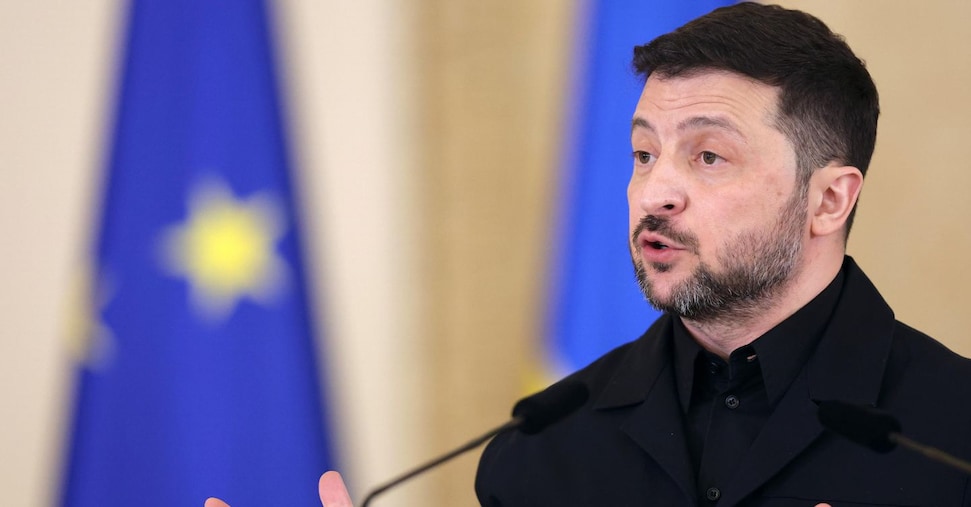
Ukrainian President Volodymyr Zelenskyy, in a letter to the EU released on March 17, 2026, confirmed Ukraine’s acceptance of the EU’s offer of assistance. Zelenskyy indicated that repair work on the pipeline is nearing completion and anticipates the pumping station will be restored within six weeks, “in the absence of any further attacks by Russia.” This timeline suggests a potential return to normal operations by late April or early May, but remains contingent on security conditions. The European Commission has pledged both technical expertise and financial resources to expedite the repair process, dispatching experts to assess the damage and oversee the restoration work.
European Commission spokesperson Paula Pinho confirmed the EU’s commitment, stating that “the Ukrainians have welcomed and accepted” the offer of “technical support and funding” to repair the damaged pipeline. The Straits Times reported on this development, highlighting the urgency of restoring oil flows to preserve market stability and meet the 2027 deadline for ending Russian oil imports. The EU’s move is seen as a direct attempt to address Hungary’s concerns and unlock the stalled €90 billion aid package, which is intended to support Ukraine’s economy and reconstruction efforts.
Hungary’s Position and Political Considerations
Hungarian Prime Minister Viktor Orbán has been steadfast in his demand that oil supplies be restored before he will support the EU aid package. In a video statement released on March 17, Orbán reiterated his position, stating bluntly, “If there is no oil, there is no money” for Ukraine. Politico reports that Orbán is facing a significant polling deficit ahead of Hungary’s April 12 election and views the pipeline issue as a key political leverage point. His stance is also seen as a way to appeal to voters concerned about energy security and the rising cost of living.
Hungarian Foreign Minister Péter Szijjártó dismissed the EU-Ukraine agreement as a “political game,” accusing Kyiv and Brussels of coordinating their actions. Szijjártó called for an immediate end to what he described as a “blockade” of oil supplies to Hungary, emphasizing the need for a swift resolution to the issue. This rhetoric underscores the deep distrust between Budapest and Kyiv, and the extent to which Hungary is willing to use its veto power to protect its national interests. The situation is further complicated by Hungary’s ongoing economic relationship with Russia, which includes long-term contracts for natural gas and oil.
Slovakia’s Concerns and Regional Impact
Slovakia, like Hungary, has been affected by the disruption of oil flows through the Druzhba pipeline. While less vocal than Budapest in its public criticism, Bratislava has also expressed concerns about the impact on its energy security and economy. The pipeline outage has forced Slovakia to seek alternative sources of oil, which are typically more expensive and less reliable. The prolonged disruption could have significant consequences for Slovakia’s refining industry and its overall economic stability.
The interruption of Druzhba pipeline flows also has broader implications for the European energy market. While the EU is actively seeking to diversify its energy sources and reduce its dependence on Russian fossil fuels, the Druzhba pipeline remains an important source of supply for some member states. Restoring the pipeline’s operational capacity is therefore seen as a crucial step towards ensuring energy security and mitigating the risk of price spikes. The EU’s commitment to helping Ukraine repair the pipeline reflects its recognition of the strategic importance of this infrastructure.
The Broader Geopolitical Context
The dispute over the Druzhba pipeline is unfolding against the backdrop of the ongoing war in Ukraine and the broader geopolitical tensions between Russia and the West. Russia has repeatedly used energy as a weapon, cutting off gas supplies to several European countries in response to their support for Ukraine. The disruption of the Druzhba pipeline can be seen as another attempt by Moscow to exert pressure on Europe and undermine its unity.
Ukraine, meanwhile, is facing a critical need for financial assistance to sustain its economy and defend itself against Russian aggression. The €90 billion aid package proposed by the EU is essential for Ukraine’s survival, but its approval is contingent on resolving the dispute with Hungary. The situation highlights the complex challenges facing the EU as it seeks to balance its support for Ukraine with its own internal political and economic considerations. The EU is attempting to navigate a delicate path, seeking to appease Hungary while upholding its commitment to Ukraine’s sovereignty and territorial integrity.
Key Takeaways
- Ukraine has accepted EU assistance to repair the Druzhba pipeline, damaged in January.
- Hungary continues to block a €90 billion EU aid package for Ukraine, linking it to the resumption of oil flows.
- Repairs are expected to take approximately six weeks, barring further Russian attacks.
- The dispute highlights the complex interplay between energy security, geopolitics, and economic interests.
- Slovakia is also affected by the pipeline outage and is seeking alternative oil sources.
The next key development will be the EU leaders’ summit scheduled for this week, where the fate of the €90 billion aid package will be decided. The outcome of the summit will depend on whether the EU can convince Hungary to lift its veto, potentially through concessions related to the Druzhba pipeline or other issues. The situation remains fluid and subject to change, but the restoration of the Druzhba pipeline is now a critical factor in determining the future of EU-Ukraine relations.
We encourage readers to share their thoughts and perspectives on this developing story in the comments below. Your insights are valuable as we continue to follow this important issue.