Russia Intensifies Attacks on Ukraine’s Transport Network
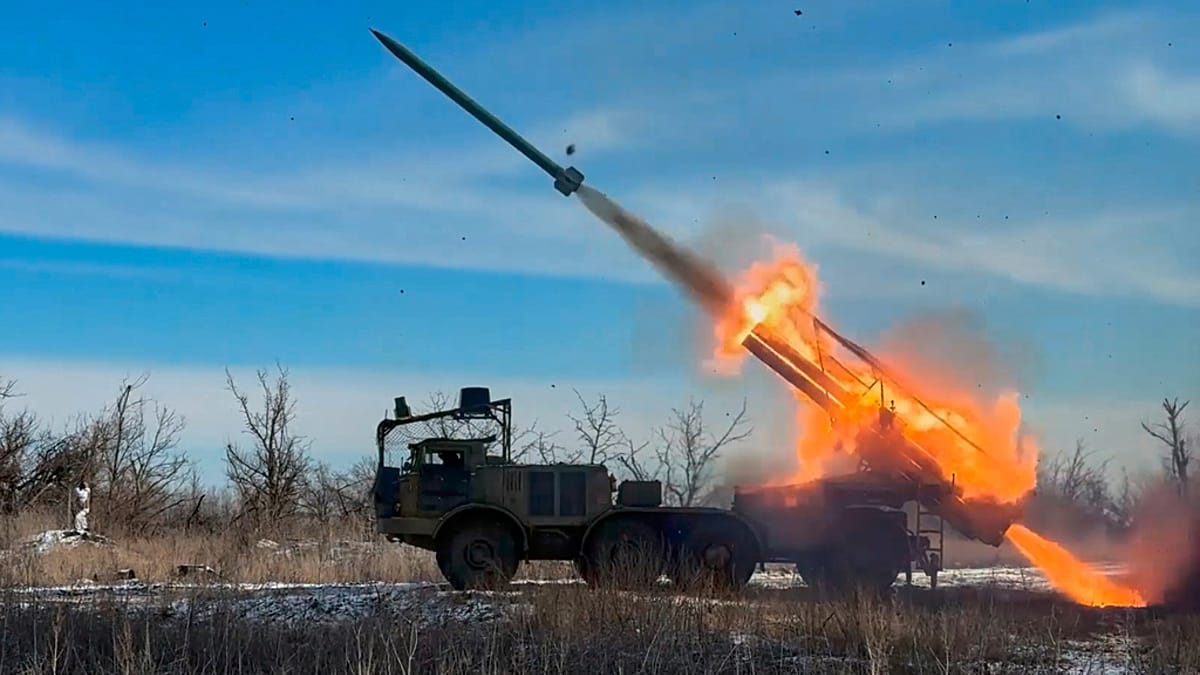
Russia launched a large-scale aerial assault on Ukraine overnight, deploying 29 cruise missiles, including nearly half being ballistic missiles, and 480 drones, targeting multiple regions across the country. The attacks, occurring on March 7th and 8th, 2026, represent a significant escalation in Moscow’s ongoing campaign to cripple Ukraine’s infrastructure and logistical capabilities. The strikes focused heavily on energy facilities and, critically, the nation’s railway system, disrupting transport and potentially hindering the delivery of vital supplies. Ukrainian President Volodymyr Zelenskyy described the barrage as a deliberate attempt to destabilize the country and undermine its war effort.
A particularly harrowing incident occurred on Sunday when a Russian missile struck a passenger train traveling between Kyiv and Sumy. Reports indicate the train was carrying up to 200 passengers at the time of the attack. While initial reports suggest no fatalities, the incident underscores the indiscriminate nature of the strikes and the vulnerability of civilian infrastructure. The attack on the railway network is part of a broader pattern of targeting Ukraine’s transportation infrastructure, which has seen repeated attacks in recent months, causing delays and damage across several regions. The Ukrainian railway system remains a crucial artery for both civilian and military logistics.
Simultaneously, Ukraine has demonstrated its capacity to strike back, reportedly targeting a key oil terminal in Russia. These reciprocal attacks highlight the increasingly complex and escalating nature of the conflict, with both sides attempting to disrupt the other’s supply lines and war-making capabilities. The attacks come as international efforts to secure a lasting ceasefire remain stalled, and as Ukraine continues to appeal for increased military aid from its allies.
Devastating Strikes Across Ukraine
The overnight attacks impacted a wide geographical area, extending beyond Kyiv and Sumy to include the regions of Kharkiv, Odessa, Dnipropetrovsk, Khmelnytskyi, Chernivtsi, and Zhytomyr. In Kharkiv, a direct hit on a residential building resulted in at least eight confirmed fatalities, including two children – a nine-year-old boy and a thirteen-year-old girl. Rescuers continue to sift through the rubble, and authorities fear the death toll may rise as recovery efforts proceed. The scale of the destruction is significant, with over 800 windows shattered and more than 200 balconies destroyed across 19 residential buildings in the city, according to Ukrainian officials. Deutsche Welle reports on the extensive damage in Kharkiv.
President Zelenskyy stated that Russia employed a combination of 29 missiles and 480 drones in the assault, with the majority of the drones being Shahed-type models. The attacks specifically targeted energy infrastructure, aiming to disrupt power supplies and further strain Ukraine’s already fragile energy grid. Damage was also reported in the Dnipropetrovsk, Zaporizhzhia, Vinnytsia, Odessa, Poltava, Sumy, and Cherkasy regions, with emergency services working to assess and repair the damage. The attacks represent a significant challenge to Ukraine’s ability to maintain essential services and support its war effort.
In the southern region of Odessa, multiple drones were reportedly used in an attack, though the extent of the damage remains unclear. The attacks on Odessa are particularly concerning given the region’s strategic importance as a key port for grain exports. Disruptions to port operations could have significant implications for global food security. The ongoing attacks on Ukrainian infrastructure are a clear attempt to weaken the country’s economy and undermine its ability to resist Russian aggression.
Ukrainian Counterstrikes Target Russian Oil Infrastructure
In a significant development, Ukrainian forces launched a drone attack on an oil distribution station in the Krasnodar Krai region of Russia, triggering a large fire. Local authorities reported that around 120 firefighters and 38 fire engines were deployed to extinguish the blaze, which covered an area of approximately 700 square meters. Spiegel Online details the attack on the oil terminal.
The targeted facility, located in Armavir, is a crucial hub in Russia’s oil logistics network, receiving crude oil via pipeline, storing it in tanks, and then loading it onto trains for distribution. Independent monitoring group CyberBoroshno assessed that the station is an integral part of a larger energy supply chain, meaning damage could disrupt the entire system for transporting oil products in that sector. This strike demonstrates Ukraine’s growing ability to project force deeper into Russian territory and target strategically important infrastructure.
Simultaneously, the governor of Russia’s Belgorod Oblast reported a missile attack on energy facilities in the city of Belgorod and surrounding areas, resulting in power, water, and heating outages. Videos circulating on Russian channels showed widespread power failures, explosions at a substation, and bright flashes in the night sky. These reciprocal attacks underscore the escalating nature of the conflict and the increasing vulnerability of both sides to strikes on critical infrastructure.
International Response and Continued Support
Amidst the escalating violence, Ukrainian President Zelenskyy met with Dutch Prime Minister Rob Jetten on Sunday to commemorate fallen Ukrainian soldiers at the Wall of Remembrance. During the visit, Zelenskyy presented Jetten with a request from Ukrainian troops defending Druschkiwka for additional radar systems, emphasizing the need to bolster Ukraine’s defenses with modern technology and continued international support. Zelenskyy specifically noted that the Netherlands produces some of the world’s best radar systems, highlighting their potential value in protecting Ukrainian soldiers. He also revealed a phone conversation with French President Emmanuel Macron, during which they discussed financial assistance for Ukraine.
The international community continues to condemn Russia’s attacks on Ukraine and to provide assistance to the Ukrainian government. However, the pace of aid delivery remains a critical concern, as Ukraine faces an increasingly urgent need for ammunition, air defense systems, and other essential military equipment. The ongoing conflict has already caused a massive humanitarian crisis, with millions of Ukrainians displaced from their homes and in need of assistance. The long-term consequences of the war are likely to be profound, both for Ukraine and for the broader region.
The attacks on Ukraine’s infrastructure are not isolated incidents but part of a deliberate strategy to weaken the country’s resolve and undermine its ability to defend itself. The targeting of civilian infrastructure, including residential buildings and transportation networks, raises serious concerns about potential war crimes. The international community must continue to hold Russia accountable for its actions and to support Ukraine in its fight for sovereignty and territorial integrity.
Key Takeaways
- Russia launched a massive aerial assault on Ukraine, targeting energy and transport infrastructure.
- The attacks resulted in casualties and widespread damage, particularly in Kharkiv.
- Ukraine responded with strikes on Russian oil infrastructure, demonstrating its ability to strike deeper into Russian territory.
- International support for Ukraine remains crucial, with Zelenskyy appealing for additional radar systems and financial assistance.
The situation in Ukraine remains highly volatile, and further escalation is possible. The next key development to watch will be the outcome of ongoing discussions regarding increased military aid from Western allies, particularly regarding the provision of advanced air defense systems. We encourage readers to share this report and engage in constructive discussion about the ongoing crisis in Ukraine.
Related reading