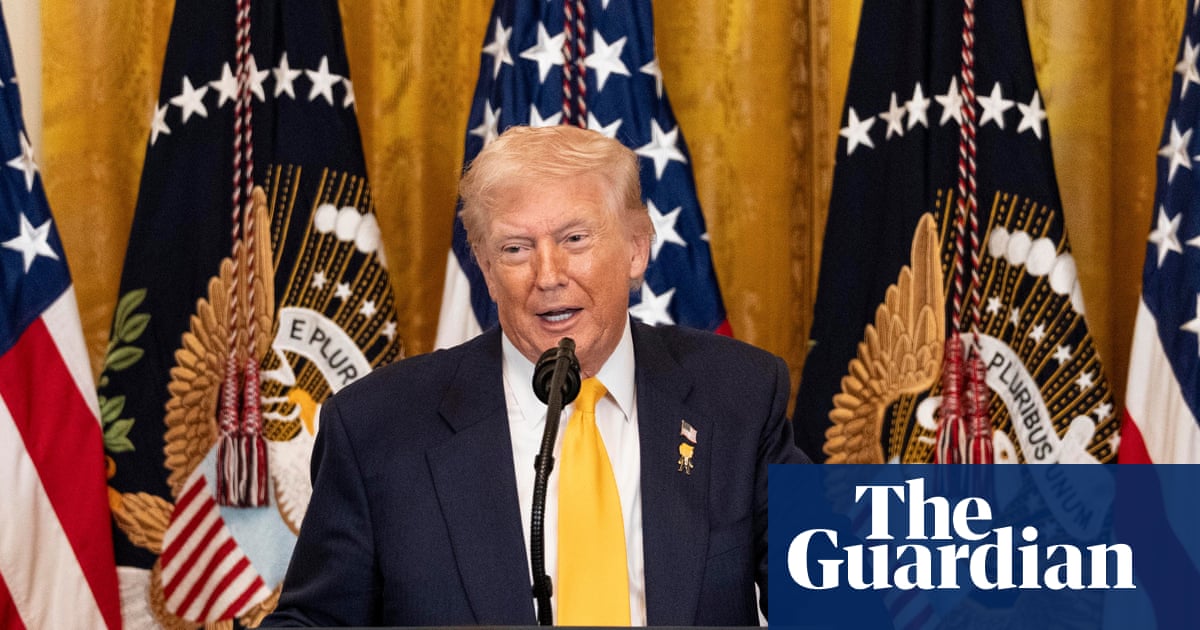
The fragile path toward peace in Ukraine remains fraught with challenges, as the latest round of US-mediated talks in Geneva concluded with little demonstrable progress. While negotiators from Ukraine and Russia convened this week, the specter of domestic political pressures – particularly from former US President Donald Trump – looms large, casting a shadow over the diplomatic efforts. Trump’s recent pronouncements, suggesting Ukraine should be more willing to cede ground to Russia, have drawn criticism from Ukrainian President Volodymyr Zelenskyy, who expressed hope that these statements are merely tactical maneuvering rather than a definitive policy shift.
The situation is further complicated by shifting global economic dynamics. India, once a major purchaser of Russian crude oil following the 2022 invasion of Ukraine, has significantly scaled back its imports, with January seeing the lowest volume since late 2022. This shift, driven by Western sanctions and pressure to forge a trade deal with the United States, has seen China emerge as Russia’s primary buyer of seaborne crude. These economic pressures, coupled with ongoing military conflict, create a complex backdrop for negotiations, highlighting the interconnectedness of geopolitical and economic factors in resolving the crisis.
Geneva Talks Yield Limited Results, Zelenskyy Voices Disappointment
Two days of talks in Geneva, intended to foster a breakthrough in the nearly four-year-long conflict, ended on Wednesday with Ukrainian President Zelenskyy expressing dissatisfaction with the outcome. Both Ukrainian and Russian officials characterized the discussions as difficult, with no immediate date set for future meetings, though both sides indicated a willingness to continue dialogue. Zelenskyy, in his nightly address, stated that while some groundwork had been laid, “the positions differ, because the negotiations were not easy.” Key sticking points remain the status of Russian-occupied territories in eastern Ukraine and the future of the Zaporizhzhia nuclear power plant, currently under Russian control.
Zelenskyy as well voiced concerns that Russia is attempting to prolong negotiations unnecessarily, suggesting a strategy to stall for time. This sentiment was echoed in a post on X (formerly Twitter) during the talks, where he accused Russia of trying to “drag out negotiations that could already have reached the final stage.” The short duration of the final day of talks – just two hours – underscores the significant obstacles remaining in reaching a comprehensive peace agreement.
Trump’s Influence and US Aid: A Shifting Landscape
Adding another layer of complexity, the White House has revealed that Donald Trump views the Ukraine war as “very unfair” – not only for those who have lost their lives but also for American taxpayers. According to White House spokesperson Karoline Leavitt, Trump believes the US was “footing the bill for this war effort” before his administration halted military aid to Ukraine in March 2025. This suspension of aid, intended to pressure Kyiv into reaching a peace deal, was later circumvented through a mechanism where Ukraine received weapons purchased with funds from NATO countries. This arrangement, brokered by Trump, allowed for continued support while addressing his concerns about direct US funding.
Trump’s public calls for Ukraine to make concessions have drawn criticism, with Zelenskyy hoping they represent a negotiating tactic rather than a firm policy stance. The former president has repeatedly urged Ukraine to come to the negotiating table, stating, “Ukraine better come to the table fast. That’s all I’m telling you.” This pressure, coupled with the uncertainty surrounding future US aid, presents a significant challenge for Ukraine as it navigates the peace talks. The dynamic highlights the delicate balance between international diplomacy and domestic political considerations in resolving the conflict.
Broader Regional Impacts and International Responses
Beyond the direct negotiations, the war continues to have ripple effects across the region. Ukraine has imposed sanctions against Belarusian President Alexander Lukashenko, citing his regime’s support for Russia’s war efforts. Zelenskyy vowed to “increase countermeasures” against Minsk, though the move is largely symbolic given existing sanctions imposed by the US and European Union. Belarus has been a key ally of Russia throughout the conflict, providing logistical support and serving as a staging ground for Russian troops.
Further illustrating the interconnectedness of the conflict, Hungary has suspended its shipments of diesel to Ukraine due to interruptions in Russian oil supplies via a pipeline that crosses Ukrainian territory. Hungary and Slovakia have accused Ukraine of deliberately disrupting these supplies, a claim Ukraine denies. This disruption underscores the vulnerability of energy infrastructure in the region and the potential for political maneuvering to impact essential supplies.
Economic Repercussions: India’s Shift in Oil Imports
The war in Ukraine has significantly reshaped global energy markets, with India initially increasing its purchases of discounted Russian oil after the 2022 invasion. However, Western sanctions and pressure from the US to secure a trade deal have prompted India to reduce its reliance on Russian crude. Reports indicate that the US has been actively seeking to reduce India’s dependence on Russian energy as part of broader efforts to isolate Russia economically. China has now surpassed India as Russia’s top buyer of seaborne crude, demonstrating the shifting dynamics of the global oil market.
This shift in India’s oil import strategy reflects the complex interplay of economic interests and geopolitical pressures. While India initially benefited from discounted Russian oil, it has faced increasing scrutiny from Western nations concerned about undermining sanctions against Russia. The situation highlights the challenges of balancing economic pragmatism with international political considerations.
Humanitarian Concerns and Symbolic Gestures
Amidst the political and economic complexities, the human cost of the war remains a stark reality. The owner of Ukrainian football club Shakhtar Donetsk recently donated over $200,000 to Ukrainian skeleton racer Vladyslav Heraskevych, who was disqualified from the Winter Olympics for wearing a helmet depicting Ukrainian athletes killed in the conflict. The disqualification sparked controversy and underscored the sensitivity surrounding the war’s impact on athletes and the broader sporting community. This act of support, while symbolic, highlights the ongoing resilience and determination of the Ukrainian people.
a delegation of Democratic US senators recently returned from a trip to Ukraine, where they sought to galvanize support for further sanctions against Russia. The senators visited Odesa, a strategically critical Black Sea port city that has been heavily targeted by Russian forces. Senator Jeanne Shaheen emphasized that the people of Ukraine desire a peace deal that preserves their sovereignty and territorial integrity.
The ongoing conflict continues to demand international attention and a concerted effort to identify a peaceful resolution. The challenges are significant, but the commitment to supporting Ukraine’s sovereignty and holding Russia accountable remains paramount. The next steps in the peace process remain uncertain, but continued diplomatic engagement and sustained international pressure are crucial to achieving a lasting and just outcome.
Looking ahead, the US Senate is expected to debate a new package of aid to Ukraine in March 2026, a move that could significantly impact the trajectory of the conflict and the ongoing negotiations. The outcome of this debate will be closely watched by both Kyiv, and Moscow.
What are your thoughts on the latest developments in the Ukraine peace talks? Share your perspectives in the comments below, and please share this article with your network to help spread awareness of this critical issue.
Keep reading
- Indonesia’s Savings Trends: LPS Reports Growth Amid Middle-Class Challenges
- Trump sube la economía global a una montaña rusa – EL PAÍS
- Russian Attack Targets Lukoil’s Offshore Oil Platform Filanovsky (world-today-news.com)
- US-Russian Space Crew Lands Safely in Kazakhstan After 241-Day ISS Mission (time.news)