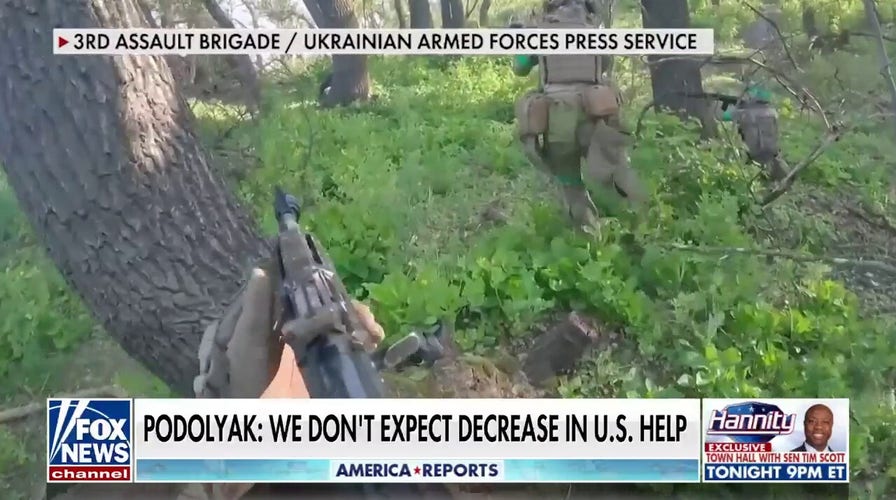
In a significant shift in modern combat tactics, Ukrainian forces have successfully captured Russian positions using exclusively drones and ground robotic systems, marking the first time an operation of this nature was completed without the deployment of infantry. President Volodymyr Zelenskyy announced the milestone, stating that the Russian occupiers surrendered during an operation that resulted in no losses for the Ukrainian side.
This development signals a growing reliance on unmanned technology to conduct high-risk maneuvers on the front line. According to Zelenskyy, the integration of these systems is not an isolated incident but part of a broader strategy to build the future of warfare in real-time. The move aims to reduce human casualties while maintaining offensive momentum against Russian forces.
The operation comes amid a volatile period in the conflict, characterized by failed ceasefire attempts and ongoing reports of human rights violations. While the tactical success of robotic systems offers a glimpse into the future of the battlefield, the broader strategic landscape remains fraught with tension as both Kyiv and Moscow struggle to find a diplomatic path forward.
The Arsenal of Autonomy: Ukraine’s Robotic Fleet
The Ukrainian military is increasingly deploying a diverse array of ground robotic systems to handle missions that were previously too dangerous for soldiers. President Zelenskyy identified several specific systems currently active on the front line, including the Ratel, TerMIT, Ardal, Rys, Zmije, Protector, and Volja. These platforms are designed to perform a variety of roles, from reconnaissance to direct engagement and logistics.
The scale of this deployment is substantial. Within a period of just three months, these ground robotic systems have conducted more than 22,000 missions according to reports from the Ukrainian presidency. This rapid scaling suggests that the Ukrainian armed forces are not merely experimenting with robotics but are integrating them into their core operational doctrine.
A Surge in Robotic Deployment and Tactical Gains
The acceleration of unmanned warfare is reflected in the data provided by the Ukrainian General Staff. Oleksandr Syrskyj, the Chief of the General Staff, noted a significant increase in the utilization of these technologies in early 2026. In March 2026 alone, robotic complexes performed over 9,000 missions, representing a 50 percent increase in tasks compared to the previous month as reported by United24media.com.
The ability to capture positions without risking infantry suggests a paradigm shift in how “breakthroughs” are achieved. Traditionally, capturing an enemy position requires a “combined arms” approach where infantry secures the ground. By replacing the initial assault and securing the surrender of enemy troops via drones and robots, Ukraine is testing a model of zero-casualty territorial gain.
Diplomatic Deadlock and the Easter Ceasefire
While robotic systems provide tactical advantages, the political situation remains strained. A short-lived ceasefire was proposed during the Orthodox Easter holidays. President Vladimir Putin ordered a ceasefire that was intended to begin on April 11, 2026, at 16:00 Moscow time and conclude at midnight on April 12 per reports from TASR.

President Zelenskyy expressed readiness for reciprocal steps, stating that people needed a holiday without threats and a genuine move toward peace. However, the truce did not lead to a lasting agreement. Kremlin spokesperson Dmitry Peskov later stated that Russia would not extend the ceasefire unless President Zelenskyy agreed to Russian conditions via AFP and TASS.
Ongoing Atrocities and Sabotage
The failure of the ceasefire is underscored by reports of continued violence and strategic sabotage. On April 11, 2026, Russian troops shot and killed four Ukrainian prisoners of war near the village of Veterynarne in the Kharkiv region, an event reported by Ukraine’s Prosecutor General’s Office on April 12 via The Kyiv Independent.
Simultaneously, Ukrainian-aligned partisan groups continue to target Russian infrastructure. On April 12, the pro-Ukrainian group Atesh reported the sabotage of a diesel locomotive in Russia’s Rostov region, which was allegedly being used to transport military cargo into the occupied Zaporizhzhia region via Topky.
Beyond the battlefield, the humanitarian crisis in occupied territories persists. Reports indicate that more than 580,000 Ukrainian children have been forced to study in schools following Russian curricula in occupied areas via Topky. Ukrainian forces have successfully disabled the railway ferry “Slavyanin,” the last vessel of its kind operating in the Kerch Strait.
Key Takeaways: The State of the Conflict in April 2026
- Technological Milestone: Ukraine captured Russian positions using only drones and ground robots, resulting in zero Ukrainian casualties.
- Robotic Scale: Over 22,000 robotic missions were conducted in three months, with a 50% increase in activity during March 2026.
- Diplomatic Failure: A short Easter ceasefire (April 11–12) failed to produce a lasting peace, with Russia demanding Zelenskyy accept its terms for any extension.
- Humanitarian Concerns: Over 580,000 children in occupied territories are subjected to Russian educational curricula.
- Strategic Sabotage: Ukrainian partisans continue to disrupt Russian military logistics in the Rostov region.
As the conflict evolves, the integration of autonomous systems may redefine the cost of territorial gains and the nature of infantry warfare. However, the persistence of war crimes and the deadlock in diplomatic negotiations suggest that technology alone cannot resolve the broader geopolitical struggle.
The international community continues to monitor the situation as Russia maintains its demands for Ukrainian concessions and Kyiv doubles down on technological innovation to preserve its forces.
We will continue to provide updates as more information on the deployment of robotic systems and diplomatic efforts becomes available. We invite our readers to share their perspectives on the role of AI and robotics in modern conflict in the comments below.