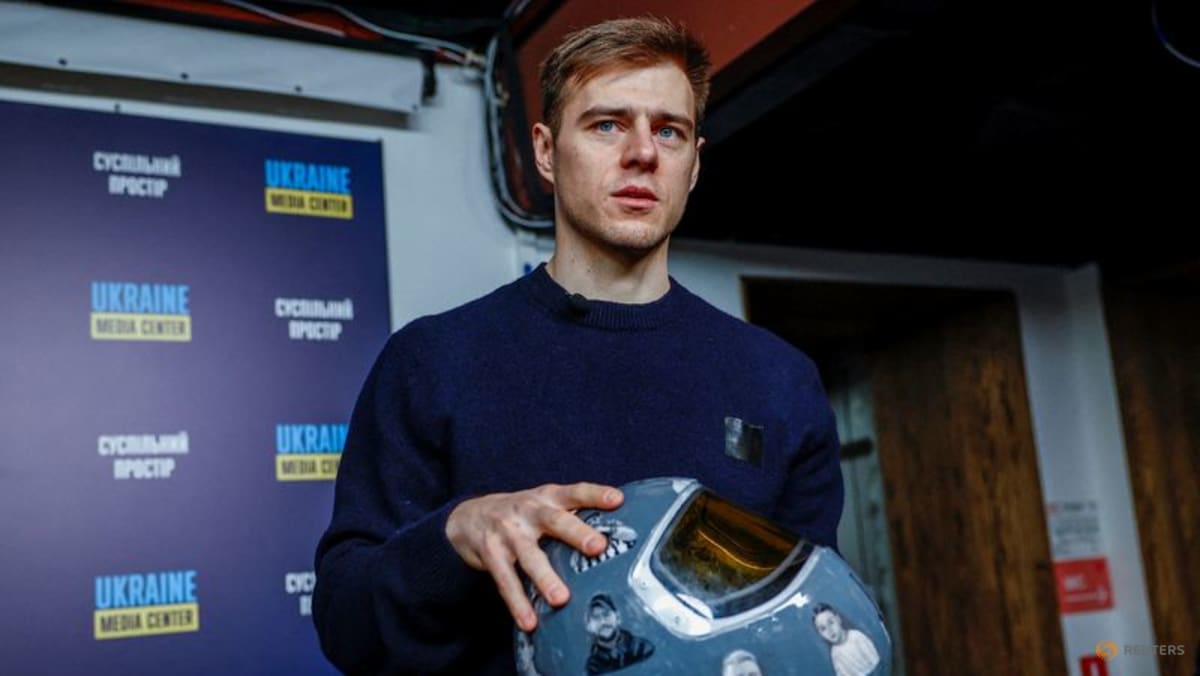
Ukrainian shooter Yana Heraskevych is calling for a global coalition of nations to prevent Russia’s return to the Olympic Games, arguing that the International Olympic Committee (IOC) has failed to maintain ethical standards regarding the ongoing invasion of Ukraine. Heraskevych, a prominent face of the Ukrainian Olympic team, asserts that allowing Russian athletes to compete under a neutral flag provides a “loophole” that undermines the Olympic Charter’s commitment to peace.
The push for a broader diplomatic coalition comes as the IOC continues to navigate the complex status of Russian and Belarusian athletes. According to the International Olympic Committee, athletes from these nations may compete as Individual Neutral Athletes (AIN) provided they meet strict eligibility criteria, including no active support for the war and no affiliation with military or national security agencies. However, Heraskevych and other Ukrainian officials maintain that this compromise is insufficient given the scale of the conflict.
Heraskevych’s appeal targets national governments and sports federations, urging them to coordinate a unified front to ensure Russia remains excluded from the Games. She argues that the current “neutral” status is a facade that allows the Russian state to continue utilizing sports for political propaganda. The Ukrainian side contends that the IOC’s reluctance to impose a total ban contradicts the spirit of the Olympic movement and ignores the human cost of the war.
Why is Yana Heraskevych calling for a coalition against Russia?
Yana Heraskevych is advocating for a coalition because she believes the IOC’s current policies are too lenient and inconsistent. The Ukrainian shooter argues that the “neutral athlete” framework does not truly isolate the Russian state from the prestige of the Olympics. By allowing athletes to compete, Heraskevych claims the IOC is providing a platform that Russia can exploit to project an image of normalcy and legitimacy while continuing its military operations in Ukraine.

The urgency of this call is tied to the upcoming cycle of international competitions. Ukrainian sports officials have frequently pointed to the destruction of sports infrastructure in Ukraine—including stadiums and training centers—as evidence that Russia has violated the fundamental principles of the Olympic truce. According to reports from the United Nations, the conflict has resulted in widespread civilian casualties and the displacement of millions, which Heraskevych argues makes any form of Russian participation in global sport morally untenable.
Beyond the moral argument, the call for a coalition is a strategic move to pressure the IOC from the outside. Since the IOC is an independent international organization, it often resists direct political mandates. By forming a coalition of sovereign states, Heraskevych believes the pressure will move from individual athlete complaints to a formal diplomatic demand that the IOC cannot ignore.
How does the IOC’s “Neutral Athlete” status work?
The IOC’s current policy allows Russian and Belarusian athletes to compete as Individual Neutral Athletes (AIN). Under this system, athletes do not compete under their national flag, do not wear national colors, and the national anthem is not played if they win. The primary goal of this policy, as stated by the IOC, is to protect the rights of individual athletes who are not involved in the political decisions of their governments.

To qualify as an AIN, athletes must undergo a vetting process. This includes verifying that they have not publicly supported the “special military operation” and that they are not members of the Russian military or state security agencies. However, this vetting process has been a point of contention. Critics, including the Ukrainian Olympic Committee, argue that the criteria are too broad and that many athletes who are effectively part of the state-sponsored sports system are still able to qualify.
This policy creates a sharp contrast between the IOC’s approach and that of other sporting bodies. For instance, World Athletics and FIFA have taken varying levels of restrictive action, but the IOC’s “neutrality” is seen by Heraskevych as a compromise that favors political expediency over ethical clarity.
What are the potential impacts of a diplomatic coalition?
If a coalition of nations successfully forms, it could lead to several outcomes that would fundamentally change the landscape of the next Olympic Games. First, it could lead to a coordinated boycott or a refusal by member nations to recognize the legitimacy of any Games where Russian athletes are present. Such a move would threaten the commercial viability of the event, as major sponsors often avoid controversy tied to war crimes and geopolitical instability.

Second, a coalition could push for a formal amendment to the Olympic Charter. While the Charter promotes universality and the idea that sport should be independent of politics, the “fundamental principles of Olympism” also emphasize human dignity and peace. A unified diplomatic front could argue that Russia’s actions constitute a breach of these principles so severe that it warrants a long-term suspension, similar to the ban imposed on South Africa during the apartheid era.
Third, the pressure could force the IOC to tighten the eligibility requirements for neutral athletes. This might include requiring athletes to explicitly denounce the war in writing or proving they have no financial ties to the Russian Ministry of Sport, which is heavily integrated with the military apparatus.
Who is affected by the decision on Russian participation?
The primary stakeholders affected by this decision include Ukrainian athletes, who must compete while their home cities are under attack. For shooters like Heraskevych, the presence of Russian competitors is not just a sporting challenge but a psychological burden. Ukrainian athletes have reported that competing against “neutral” Russians feels like a denial of the reality of the war.
Russian athletes are also caught in the middle. While some have spoken out against the war, many remain loyal to the Kremlin. The “neutral” status is their only path back to international competition. However, the Russian Olympic Committee (ROC) has frequently criticized the IOC’s restrictions, viewing them as discriminatory.
The broader global sporting community is also impacted. The precedent set by the IOC regarding Russia will likely dictate how the organization handles future conflicts. If the “neutral athlete” model is deemed a success, it may become the standard for other nations facing sanctions. If it is seen as a failure—or as Heraskevych suggests, a loophole—it may lead to a more fragmented international sports system where political blocs determine who is allowed to compete.
Comparison of Stances on Russian Participation
| Entity | Position | Primary Justification |
|---|---|---|
| IOC | Allow AIN (Neutral) | Protection of individual athlete rights. |
| Yana Heraskevych / Ukraine | Total Exclusion | Violation of Olympic peace and human rights. |
| Russian Olympic Committee | Full Return | Claims sports should be entirely apolitical. |
The tension between these three perspectives highlights the core conflict: the IOC views the Olympics as a sanctuary from politics, while Heraskevych argues that ignoring a war of aggression is, in itself, a political act that supports the aggressor.
The next critical checkpoint for this issue will be the upcoming IOC Executive Board meetings, where the final eligibility lists and participation rules for the next Olympic cycle are typically refined. The success of Heraskevych’s call for a coalition will depend on whether national governments are willing to prioritize geopolitical ethics over the traditional “neutrality” of the Olympic movement.
We welcome your perspective on this issue. Should the IOC prioritize individual athlete rights or the collective ethical stand against aggression? Share your thoughts in the comments below.