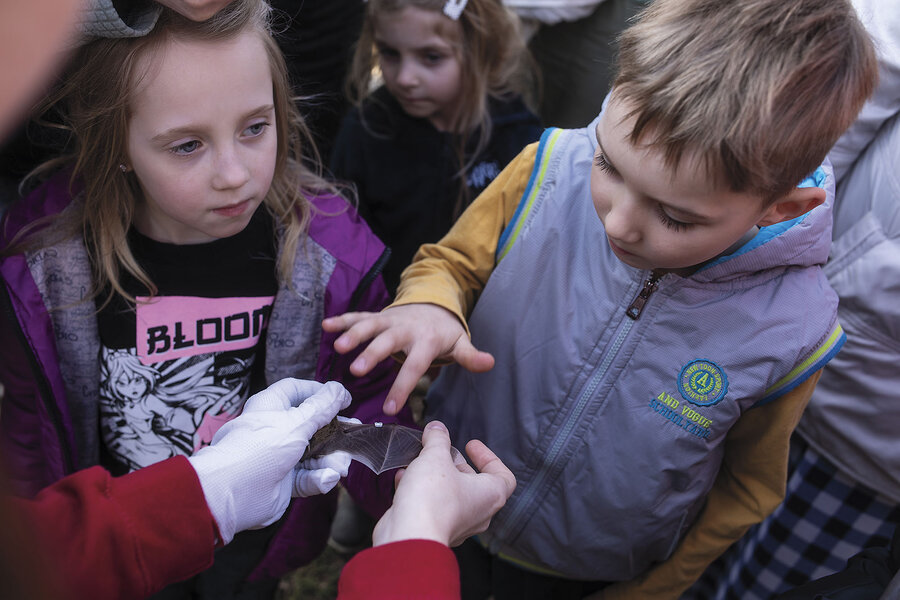
Staff members from the Ukrainian Bat Rehabilitation Center brought a touch of recovery and optimism to a public park in Poltava recently, stepping into the open air to release rehabilitated bats back into the wild. Against the backdrop of ongoing regional strain, the public release provided a rare moment of community connection and uplifted the spirits of onlookers who gathered to watch the nocturnal mammals take flight.
The Ukrainian Bat Rehabilitation Center, operating under the broader framework of wildlife rescue and conservation efforts in Ukraine, routinely cares for injured, grounded, or displaced bats. As populations of these vital insect-eating mammals face habitat disruption and urban pressures, specialized facilities provide critical winter sheltering, medical treatment, and nutritional support until conditions allow for safe reintroduction.
Public outreach events organized by conservation groups serve a dual purpose. Beyond returning animals to their natural ecosystems, these gatherings offer local residents an accessible window into local biodiversity and ecological preservation. Observers in Poltava watched staff carefully open specialized transport containers, allowing the bats to adjust to ambient dusk conditions before launching into flight.
The Ecological Role of Rehabilitated Bats
Bats play a critical role in local ecosystems across Eastern Europe, acting as natural controllers of nocturnal insect populations, including mosquitoes and agricultural pests. Conservation biologists emphasize that every rehabilitated animal returned to the wild contributes directly to ecosystem resilience. The Ukrainian Bat Rehabilitation Center has long documented the seasonal influx of bats that lose their roosts during building renovations, severe weather, or military conflict.
Rehabilitation protocols require precise monitoring of weight, wing integrity, and hydration levels before release. Staff members coordinate timing carefully to match local insect emergence patterns, ensuring that newly released bats can immediately forage for food. Public releases like the one in Poltava demystify the animals, countering common misconceptions and fostering broader public support for wildlife conservation initiatives.
Community Impact and Public Engagement
Gathering in public green spaces for wildlife releases has emerged as a grounding community activity in various Ukrainian cities, offering residents moments of shared reflection and connection with nature. Attendees at the Poltava park event observed the creatures up close, asking staff questions about bat biology, hibernation habits, and how to safely assist grounded animals found in urban areas.
Environmental educators note that direct engagement with local fauna helps maintain community morale and environmental awareness during challenging times. By witnessing the successful rehabilitation and release of vulnerable wildlife, residents find tangible reminders of resilience and ecological continuity.
Next Steps for Conservation Programs
The Ukrainian Bat Rehabilitation Center continues its seasonal operations, preparing additional colonies for spring and summer releases as weather patterns permit. Wildlife specialists advise citizens who encounter grounded bats during daylight hours or outside of hibernation periods to contact local rescue networks rather than handling animals directly. Further updates regarding regional conservation efforts and upcoming public education initiatives are shared regularly through official center channels.
Related reading