
Russian-installed authorities in Crimea reported a series of drone strikes targeting the peninsula, leading to localized power disruptions and fuel rationing measures across several districts. Sergei Aksyonov, the head of the Russian-administered regional government, stated that the infrastructure damage has necessitated emergency energy management protocols while repair crews assess the stability of the power grid.
The situation remains fluid as regional officials attempt to stabilize utilities following the aerial engagement. While local authorities have linked the instability to recent Ukrainian drone activity, independent verification of the specific military objectives and the full extent of the damage to the Crimean energy network remains limited by restricted access to the peninsula. The regional administration has issued guidance to residents to limit non-essential power consumption as the impact on critical infrastructure is evaluated by local emergency services.
Infrastructure Impact and Regional Power Management
The disruption to the electrical grid has prompted the Crimean administration to implement temporary load-shedding measures. According to statements released by the regional government in Simferopol, the primary objective is to maintain power to essential services, including hospitals and water pumping stations. The rationing of fuel, which has been reported in several municipalities, is being framed by officials as a precautionary measure to prevent shortages during the ongoing repair efforts.

Energy stability in Crimea has been a recurring point of contention since the 2014 annexation. The peninsula relies on a mix of local power plants and the energy bridge connected to the Russian mainland. Any significant disruption to these energy transmission networks creates immediate logistical challenges for the civil administration. Residents have been advised to monitor official social media channels for updates on electricity restoration schedules and fuel availability, as the situation is subject to change based on the progress of utility workers.
The Context of Aerial Engagements in Crimea
The recent drone activity is part of a broader pattern of long-range strikes that have targeted military and industrial assets within the Crimean Peninsula. The Ukrainian military frequently conducts operations aimed at degrading the logistical capabilities of Russian forces in the region, focusing on fuel depots, command centers, and naval infrastructure. These operations are often cited by Kyiv as necessary steps to disrupt supply lines supporting front-line activities in southern Ukraine.
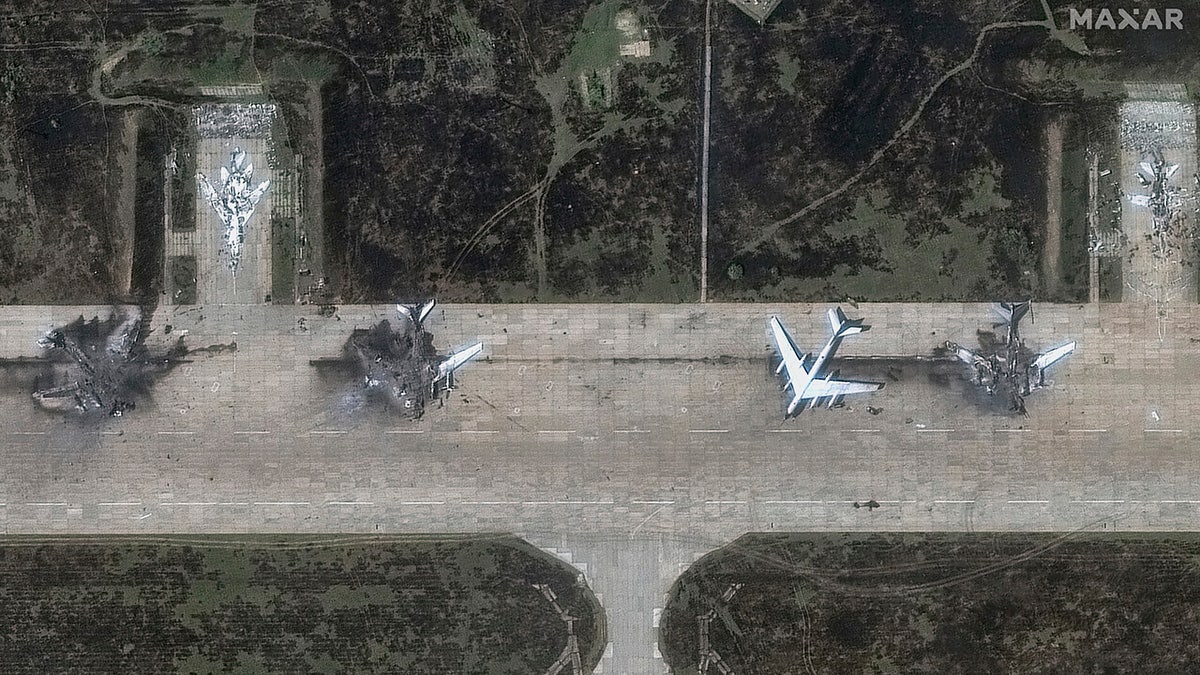
Military analysts note that the use of unmanned aerial vehicles has become a primary feature of the conflict, allowing for precision strikes against high-value targets while minimizing risks to personnel. The Institute for the Study of War has documented a consistent increase in the frequency and sophistication of these strikes throughout the past year. For the civilian population in Crimea, these events translate into periodic interruptions of daily life, ranging from traffic restrictions to temporary utility outages.
Humanitarian and Civil Considerations
The human impact of the conflict in Crimea remains a central concern for international observers. The regional administration has reported casualties and injuries following the latest incidents, though independent human rights organizations continue to emphasize the difficulty of obtaining verified data from the occupied territory. The United Nations Office of the High Commissioner for Human Rights has previously highlighted the vulnerability of civilian populations living in areas affected by active hostilities and the associated infrastructure damage.
As the regional government continues to manage the fallout from the drone strikes, the focus for local authorities remains on the restoration of essential services. There has been no official announcement regarding the timeline for the full resumption of normal fuel distribution or the stabilization of the electrical grid. Residents are encouraged to follow the guidance of local emergency management agencies and to remain cautious in areas where industrial or military facilities are located.
Next Steps and Official Monitoring
The next phase of the response will be determined by the ability of utility crews to bypass or repair the damaged sections of the energy grid. Officials are expected to provide further updates through the official Telegram channels used by the Crimean administration. For international observers and those following the conflict, the situation serves as a marker for the ongoing struggle to control logistical nodes in the Black Sea region.
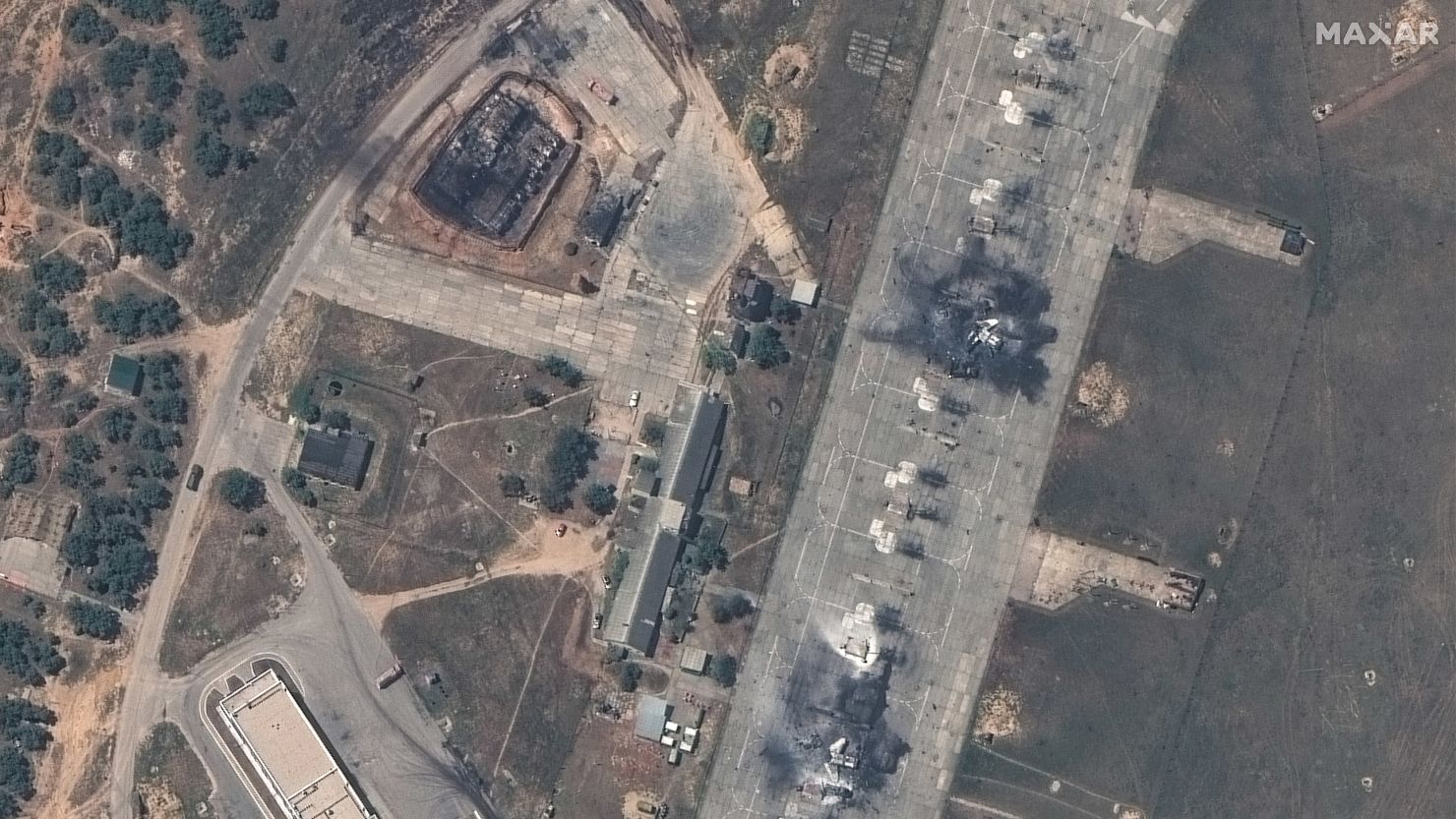
World Today Journal will continue to monitor official statements from both the Russian administration in Crimea and reports from the Ukrainian Ministry of Defense regarding the status of the peninsula’s infrastructure. Readers are invited to share their perspectives or report verified updates in the comments section below as this situation develops.
Keep reading