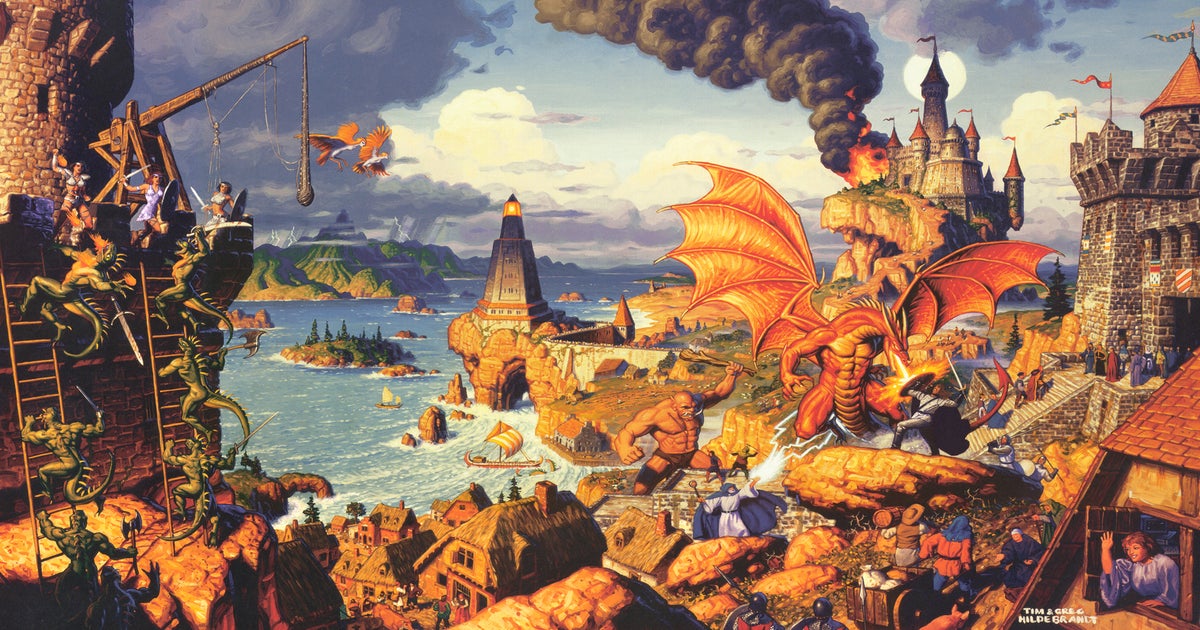
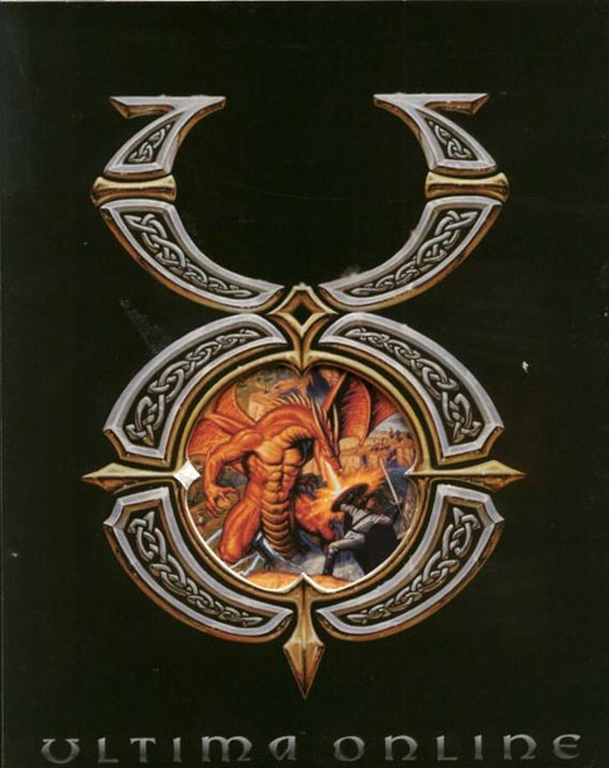
Electronic Arts has filed new trademark applications for the Ultima brand in the United States, renewing interest in the long-dormant role-playing game series. The filings, submitted to the United States Patent and Trademark Office (USPTO), occur as the gaming industry monitors the potential expiration of original copyright protections for early installments of the franchise. According to records maintained by the USPTO database, these recent administrative actions serve to maintain the publisher’s legal hold on the intellectual property as it nears its 45th anniversary.
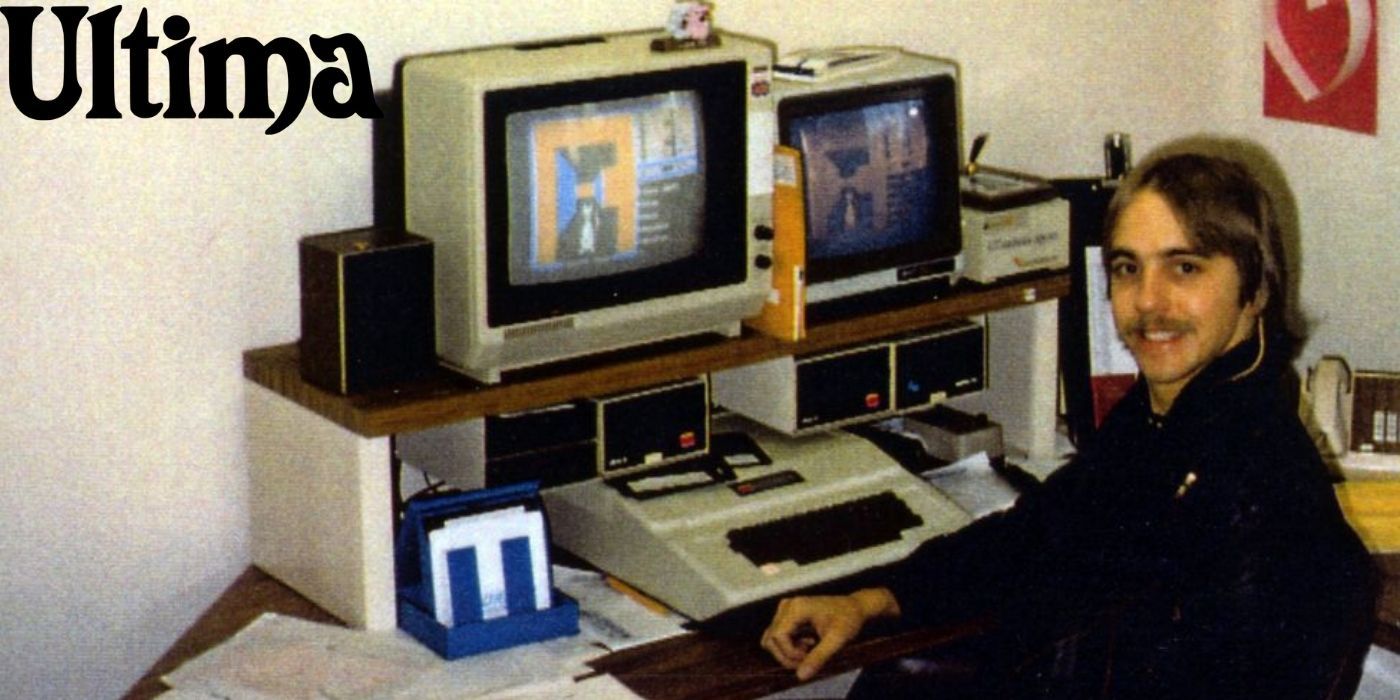
The Ultima series, launched by Richard Garriott in 1981 with Ultima I: The First Age of Darkness, remains a cornerstone of computer role-playing game history. While Electronic Arts has held the rights to the franchise for decades following its acquisition of Origin Systems in 1992, questions regarding the future of the series have persisted among fans and industry analysts. The recent trademark activity acts as a formal assertion of the company’s ongoing commercial interest in the brand, even in the absence of a new mainline entry since 1999’s Ultima IX: Ascension.
The Legal Framework of Trademark and Copyright
A trademark, such as those recently filed by Electronic Arts, protects the use of a name or brand in commerce. Unlike copyright, which protects the specific creative expression of a work—such as the code, art, and narrative of the early Ultima titles—trademarks can theoretically be renewed indefinitely as long as the owner continues to use the mark in trade and pay the required maintenance fees to the USPTO. This distinction is critical for long-running media franchises, as it allows companies to prevent consumer confusion regarding the origin of products.
Copyright law, by contrast, operates on a fixed timeline. Under the Copyright Act of 1976, works created for hire—common in the software industry—are generally protected for 95 years from the date of publication or 120 years from creation, whichever expires first. Because the original Ultima title was published in 1981, the copyright for that specific software package is not scheduled to enter the public domain in the United States for several decades, regardless of the recent trademark filings. The complexity of these laws often leads to public confusion regarding the difference between a brand name and the actual underlying creative content.
Richard Garriott’s Historical Role and Industry Legacy
Richard Garriott, often referred to by his in-game persona “Lord British,” departed Origin Systems in 2000 following the company’s integration into Electronic Arts. Since his exit, the creator has pursued various independent projects, including the development of Shroud of the Avatar. While discussions regarding the ownership of creative works often arise when original creators and current rights holders diverge, copyright control remains governed by the specific terms of the acquisition agreements signed during the 1990s. According to public records from the U.S. Securities and Exchange Commission, Electronic Arts finalized its purchase of Origin Systems in 1992, effectively securing the intellectual property rights to the Ultima library.
The series is widely recognized for its influence on the RPG genre. From the introduction of the “Virtues” system in Ultima IV: Quest of the Avatar to the immersive 3D environments of the later entries, the franchise set standards for player choice and narrative depth. Despite the lack of recent titles, the brand remains a significant asset in the publisher’s portfolio. The recent trademark filings suggest that the company intends to protect this asset, though it has not released an official statement regarding potential new development or remakes of the classic titles.
What Happens Next for the Franchise?
For the gaming community, the primary question remains whether these trademark filings signal a revival of the series or merely standard corporate maintenance. In the past, major publishers have utilized trademark renewals to protect their back catalogs for digital storefronts or merchandise. There is currently no official announcement from Electronic Arts regarding a new Ultima project, and no hearings or legal disputes regarding the copyright status of the series have been filed in federal court as of late 2024.

Readers interested in tracking the status of these trademarks can monitor the USPTO Trademark Status & Document Retrieval system using the serial numbers associated with the recent filings. As the industry looks toward the next fiscal quarter, the status of classic intellectual properties remains a point of intense interest for fans of 1980s computer gaming. We will continue to monitor official filings and corporate announcements for any updates regarding the future of the series.
What are your memories of the Ultima series? Share your thoughts in the comments section below and join the conversation on our social media platforms.
Keep reading