The risk of death is significantly elevated among cancer survivors with a high intake of ultra-processed foods, according to recent research. A study published in Cancer Epidemiology, Biomarkers & Prevention revealed that individuals consuming the highest amounts of these foods, measured by weight, faced a nearly 50% greater risk of all-cause mortality and a nearly 60% increased risk of cancer-specific mortality compared to those with the lowest consumption. These findings underscore a growing body of evidence linking dietary patterns to long-term health outcomes following a cancer diagnosis.
The increasing prevalence of ultra-processed foods in modern diets is a global concern. Even as previous studies have largely focused on the role of individual nutrients in cancer survival, this research highlights the importance of considering the degree of food processing itself. Ultra-processed foods, often characterized by high levels of added sugars, unhealthy fats, and artificial additives, are frequently low in essential nutrients like vitamins, minerals, and fiber. This nutritional imbalance, coupled with the potential for inflammatory responses triggered by food additives, may contribute to the observed increased mortality risk. The study adds to a growing understanding of how what we eat can impact not only cancer development but also the long-term prognosis for those who have already battled the disease.
Ultra-Processed Foods and Mortality Risk in Cancer Survivors
Researchers analyzed data from over 800 cancer survivors participating in the Moli-sani cohort, a long-term study encompassing nearly 25,000 individuals aged 35 and older from a region of Italy. Participants provided detailed dietary information through the European Prospective Investigation into Cancer and Nutrition (EPIC) food frequency questionnaire. The median follow-up period was approximately 15 years, allowing for a robust assessment of long-term health outcomes. The study, published in February 2026, builds upon earlier research indicating a link between ultra-processed food consumption and increased risk of various chronic diseases, including cardiovascular disease and type 2 diabetes. Medical Xpress reported on the study’s findings, emphasizing the potential implications for cancer survivorship care.
To categorize food consumption, researchers utilized the NOVA classification system, a widely recognized method that groups foods based on the extent and purpose of processing. This system divides foods into four categories: unprocessed or minimally processed foods, processed culinary ingredients, processed foods, and ultra-processed foods. The amount of ultra-processed foods in each participant’s diet was calculated in two ways: a weight-based ratio (total weight of ultra-processed foods consumed daily divided by total food and beverage weight) and an energy-based ratio (total calories from ultra-processed foods daily divided by total calorie intake). This dual approach allowed researchers to assess the impact of both the quantity and caloric contribution of ultra-processed foods.
Participants were then divided into three groups based on the weight-based ratio of ultra-processed food consumption. Statistical analyses, adjusted for a range of factors including demographics, smoking status, body mass index (BMI), leisure-time physical activity, medical history, cancer type, and overall diet quality, revealed a clear association between higher ultra-processed food intake and increased mortality. Specifically, the study found that a 10% increase in daily consumption of ultra-processed foods was associated with a 23% increased hazard ratio for all-cause mortality and a 24% increased hazard ratio for cancer-specific mortality.
Inflammation and Cardiac Function as Mediators
Beyond establishing the association, the researchers investigated potential biological mechanisms linking ultra-processed food consumption to increased mortality. They analyzed inflammatory, metabolic, and cardiovascular biomarkers to identify potential mediators of this relationship. The findings revealed that adjustments for inflammatory scores and resting heart rate attenuated the association between ultra-processed food intake and all-cause mortality by nearly 40%. This suggests that inflammation and altered cardiac function may play a significant role in the adverse health effects of these foods.
“These results suggest that increased inflammation and increased resting heart rate may partially explain the link between higher consumption of ultra-processed foods and increased mortality,” explained Marialaura Bonaccio, lead author of the study and researcher at the Unit of Epidemiology and Prevention at IRCCS Neuromed in Pozzilli, Italy. The American Association for Cancer Research published an abstract of the study, detailing these key findings.
What are Ultra-Processed Foods?
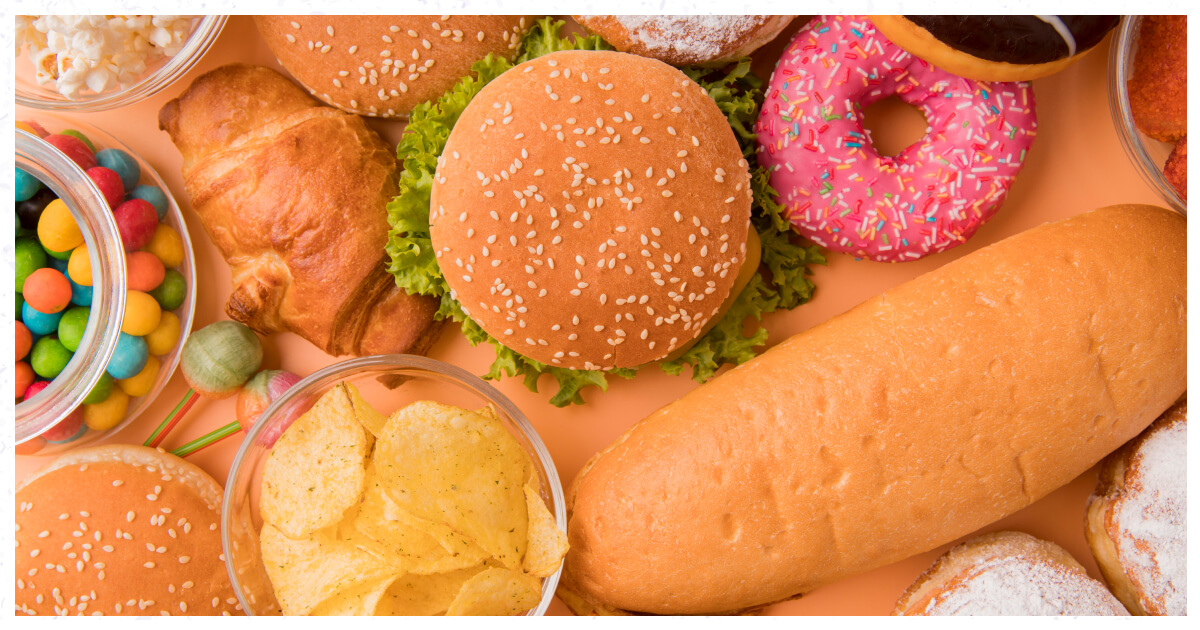
Ultra-processed foods are industrial formulations made entirely or mostly from substances derived from foods and additives. They typically contain little to no whole foods and are designed to be highly palatable and convenient. Examples include sugary drinks, packaged snacks, processed meats, instant noodles, and pre-made meals. These foods often undergo multiple processing steps, including the addition of artificial flavors, colors, emulsifiers, and preservatives. The NOVA classification system, developed by researchers at the University of São Paulo in Brazil, provides a detailed framework for categorizing foods based on their processing level. Understanding this classification is crucial for making informed dietary choices.
The potential health risks associated with ultra-processed food consumption extend beyond cancer survivorship. Research has linked high intake of these foods to an increased risk of obesity, cardiovascular disease, type 2 diabetes, and other chronic conditions. The mechanisms underlying these effects are complex and likely involve a combination of factors, including the displacement of nutrient-rich foods, the disruption of gut microbiota, and the promotion of chronic inflammation. The American Heart Association, for example, has issued statements regarding the dangers of excessive sugar intake, a common characteristic of many ultra-processed foods.
Implications for Cancer Survivorship
This study reinforces the importance of dietary interventions in cancer survivorship care. While cancer treatment focuses on eliminating or controlling the disease, long-term health and quality of life depend on managing risk factors and adopting healthy lifestyle habits. For cancer survivors, this includes prioritizing a diet rich in whole, unprocessed foods, such as fruits, vegetables, whole grains, and lean proteins. Reducing the intake of ultra-processed foods can help mitigate inflammation, improve cardiovascular health, and potentially reduce the risk of cancer recurrence or other health complications.
The findings also highlight the need for further research to explore the specific components of ultra-processed foods that contribute to adverse health outcomes. Identifying these components could inform the development of targeted dietary recommendations and interventions. Future studies should also investigate the potential benefits of dietary patterns that emphasize minimally processed foods and whole food nutrition. The European Code Against Cancer, for instance, recommends maintaining a healthy weight and a varied diet based on fresh fruits and vegetables, whole grains, and legumes.
As Dr. Bonaccio and her team concluded, the substances involved in the industrial processing of foods may interfere with metabolic processes, disrupt the gut microbiome, and promote inflammation. Even when an ultra-processed food appears similar in caloric content and nutritional composition to a minimally processed or “natural” food, it could still have a more detrimental effect on the body. This underscores the importance of focusing on the overall quality of the diet, rather than solely on individual nutrients.
The study’s findings are particularly relevant as ultra-processed food consumption continues to rise globally. Addressing this trend requires a multi-faceted approach, including public health education, food labeling regulations, and policies that promote access to affordable, healthy food options. Supporting initiatives that encourage the consumption of whole, unprocessed foods is crucial for improving the health and well-being of cancer survivors and the population as a whole.
Looking ahead, researchers plan to investigate the impact of specific ultra-processed food components on cancer survival rates and explore the potential for dietary interventions to modify these effects. Further studies are also needed to determine whether the observed associations vary across different cancer types and populations. The ongoing research in this area promises to provide valuable insights into the complex relationship between diet, cancer, and long-term health.
Key Takeaways:
- Higher consumption of ultra-processed foods is associated with increased all-cause and cancer-specific mortality among cancer survivors.
- Inflammation and altered cardiac function may mediate the link between ultra-processed food intake and increased mortality risk.
- Prioritizing a diet rich in whole, unprocessed foods is crucial for improving long-term health outcomes in cancer survivors.
- Further research is needed to identify the specific components of ultra-processed foods that contribute to adverse health effects.
This research provides compelling evidence for the importance of dietary choices in cancer survivorship. Stay informed about the latest research on nutrition and cancer prevention, and discuss your dietary needs with your healthcare provider. Share this article with your network to raise awareness about the potential health risks of ultra-processed foods.
Worth a look