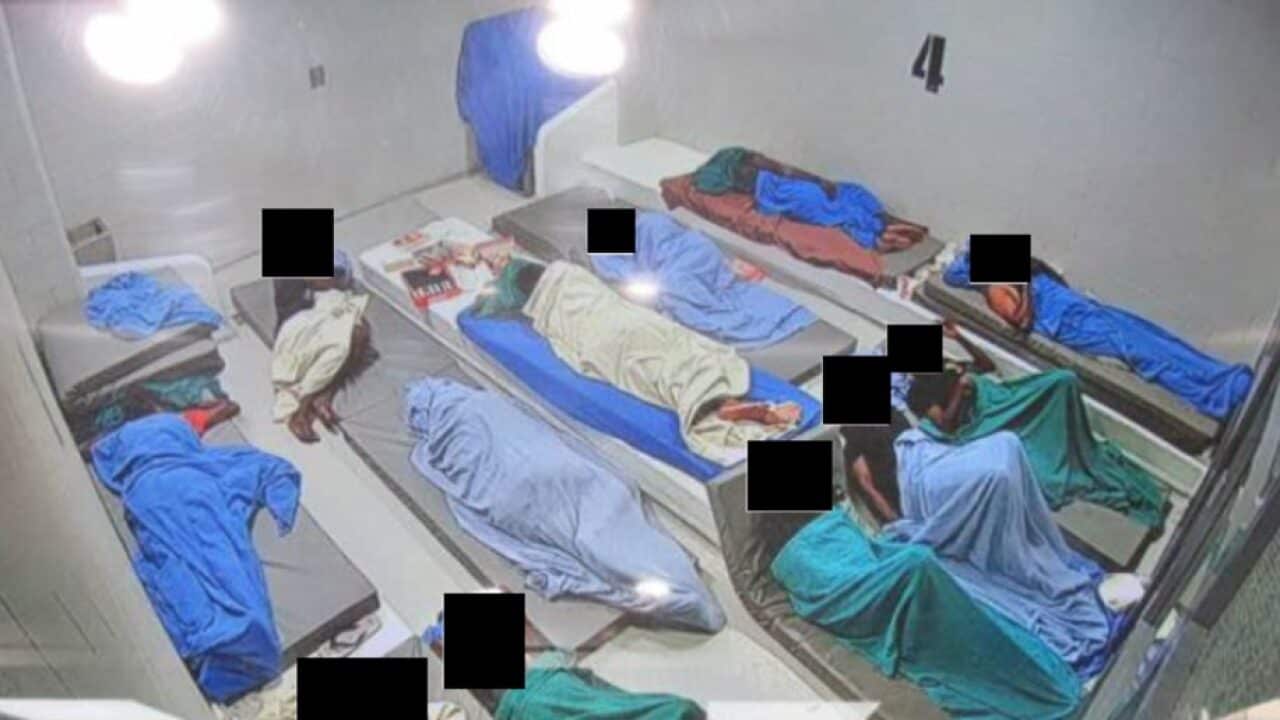
Northern Territory Prison System Under Scrutiny as UN Access is Blocked
The Northern Territory government’s decision to deny access to United Nations human rights observers has sparked notable concern, raising questions about conditions within the territory’s prison system. Officials cite “safety” as the reason for blocking the visit, a justification met with skepticism by independent lawmakers and human rights advocates.
Prison Capacity and Staff Confidence
Recently, the government announced the completion of upgrades intended to bring the prison system to full operational capacity. The Minister for Corrections emphasized a focus on staff safety and confidence in corrections officers to perform their duties effectively. He stated the priority remains keeping both staff and the broader Territorian community safe.
Mounting Concerns & Calls for Clarity
However, this clarification has failed to quell anxieties, particularly given the northern Territory’s troubling statistics regarding incarceration rates. Independent Member for Johnston, Justine Davis, expressed strong disapproval, suggesting the government’s reluctance stems from a lack of confidence in meeting basic standards.
“For any government to say that United Nations Human Rights inspectors cannot come into prisons in those circumstances is just outrageous, and it’s really frightening,” Davis stated.
Here’s a breakdown of the key concerns:
* Record Incarceration Rates: The Northern Territory currently holds the highest imprisonment rate in Australia.
* Disproportionate Indigenous Incarceration: The territory also has the highest per capita rate of Indigenous people imprisoned globally.
* Remand Statistics: Over 1,000 Territorians were held on remand – without a guilty verdict – as of November.
* Population Spike: The average prison population has increased by 15% in the past year, according to the latest NT Corrections annual report.
Why UN Access Matters
You might be wondering why the UN’s involvement is so crucial. The Working Group on Arbitrary Detention is tasked with assessing detention conditions and practices globally. Their observations are vital for identifying potential human rights violations and recommending improvements.
Davis is urging the government to promptly grant the UN access and seriously consider their findings. This isn’t simply about optics; it’s about ensuring the basic rights and dignity of those within the correctional system.
What’s Next?
The Working Group on Arbitrary Detention is scheduled to release preliminary observations from its Australian visit on December 12th. A comprehensive final report will then be presented to the UN Human Rights Council in September 2026.
This situation underscores the importance of transparency and accountability within the Northern Territory’s prison system. As the debate continues, it’s clear that addressing the underlying issues driving high incarceration rates – particularly among Indigenous Australians – is paramount.
Related reading
- Iran War Live Updates: U.S. Expands Airstrikes With Attacks on Bridges and a Port in Southern Iran
- Sismo leggero mag. 3.6 – New Zealand, giovedì 16 lug 2026 alle 21:21 (GMT +12)
- ESPN Analyst Matt Miller on Leave During Missouri Fraud Investigation (news-usa.today)
- Sinn Féin Demands Investigation Into Unionist Flags on NI Water Tower (world-today-news.com)