
Navigating International Pressure on Israel and the Pursuit of a Palestinian State
The global landscape surrounding the Israeli-Palestinian conflict remains intensely contested, with recent statements from United Nations Secretary-General António Guterres highlighting growing international concern over Israel’s ongoing military operations in Gaza and the potential for further territorial changes in the West Bank. As of September 20, 2025, Guterres urged the international community to resist being intimidated
by Israel and to actively exert influence to prevent the annexation of the West Bank – a move widely considered a violation of international law. This declaration arrives on the eve of crucial United Nations assemblies where ten nations are poised to formally acknowledge the state of Palestine, signaling a significant shift in diplomatic positioning.
The Secretary-General’s Call for Assertive Diplomacy
Guterres’s remarks, delivered on Friday, represent a strong condemnation of what many perceive as Israel’s disregard for international consensus. he advocated for a more proactive approach from the global community, emphasizing the necessity of putting pressure
on Israel to adhere to international norms and refrain from actions that would further destabilize the region. This pressure,he implied,should extend beyond mere verbal disapproval and encompass concrete measures to ensure accountability. The timing of these statements is particularly noteworthy, coinciding with preparations for the upcoming UN General Assembly, where a substantial number of countries are expected to formally recognize Palestinian statehood.
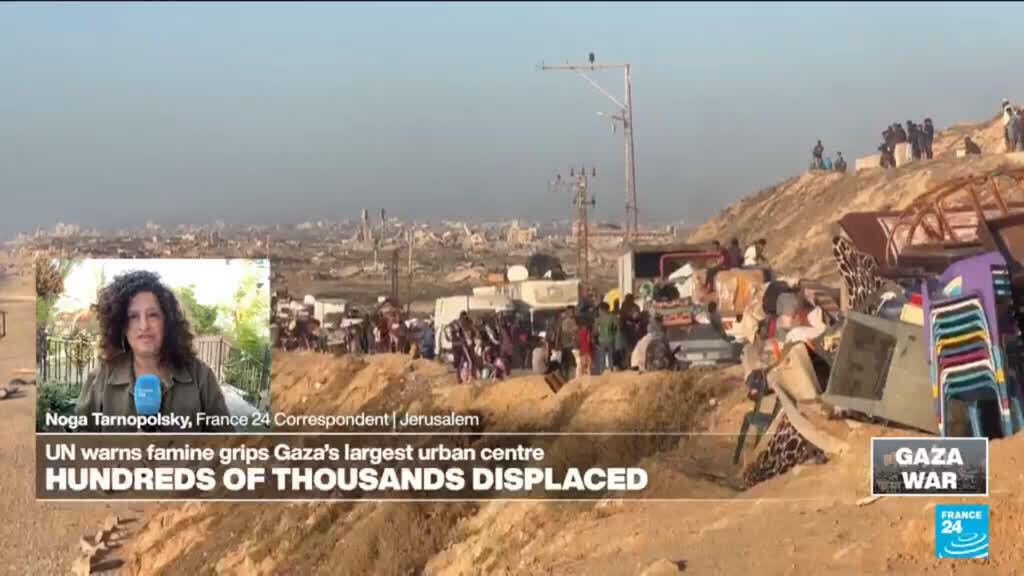
This anticipated recognition, as reported by France24’s Noga Tarnopolsky from Jerusalem, underscores a growing international frustration with the stalled peace process and a perceived imbalance in the application of international law. The move is expected to further isolate Israel diplomatically, even though its practical impact on the ground remains uncertain.
the Impending Recognition of Palestinian Statehood: A Symbolic and Practical Shift
The decision by ten countries to recognize a Palestinian state at the UN represents a significant symbolic victory for Palestinian aspirations. While the specifics of which nations will make this declaration remain undisclosed, the collective action is anticipated to bolster the Palestinian Authority’s legitimacy on the international stage. However, the practical implications of this recognition are complex.
Currently, 139 out of 193 UN member states already recognize Palestine as a state, but this recognition has not translated into full sovereignty or control over Palestinian territories. The upcoming declarations are expected to intensify calls for a two-state solution,based on the 1967 borders,with East Jerusalem as the capital of a future Palestinian state.
| Recognition of Palestinian Statehood (as of Sept 20, 2025) |
|---|
| UN member States Recognizing Palestine: 139/193 |
| Countries Expected to Recognize at UNGA: 10 (details pending) |
| Key Obstacles to Full Sovereignty: Israeli occupation of West Bank & Gaza, Border Disputes, Jerusalem Status |
The core issue remains the ongoing Israeli occupation of the West Bank and the blockade of Gaza, which severely restricts Palestinian economic development and political autonomy. Recent data from the World Bank (July 2025) indicates that the Palestinian economy has contracted by 8% in the last year, largely due to restrictions on movement and access.
The West Bank Annexation Threat and International Law
Secretary-General Guterres’s warning against the annexation of the West Bank is rooted in the fundamental principles of international law. Annexation – the forcible acquisition of territory - is prohibited under the UN Charter and is widely considered a violation of international humanitarian law. Israel’s policies in the West Bank, including the construction of settlements and the expropriation of Palestinian land, have long been condemned by the international community as de facto annexation.
The potential for formal annexation has increased in recent years, particularly following the formation of a right-wing Israeli government.This prospect has raised concerns about a further escalation of violence and the complete dismantling of any prospects for a two-state solution


