Papua New Guinea & the UN: A Call for Climate and Economic Justice
(Last Updated: November 26, 2023)
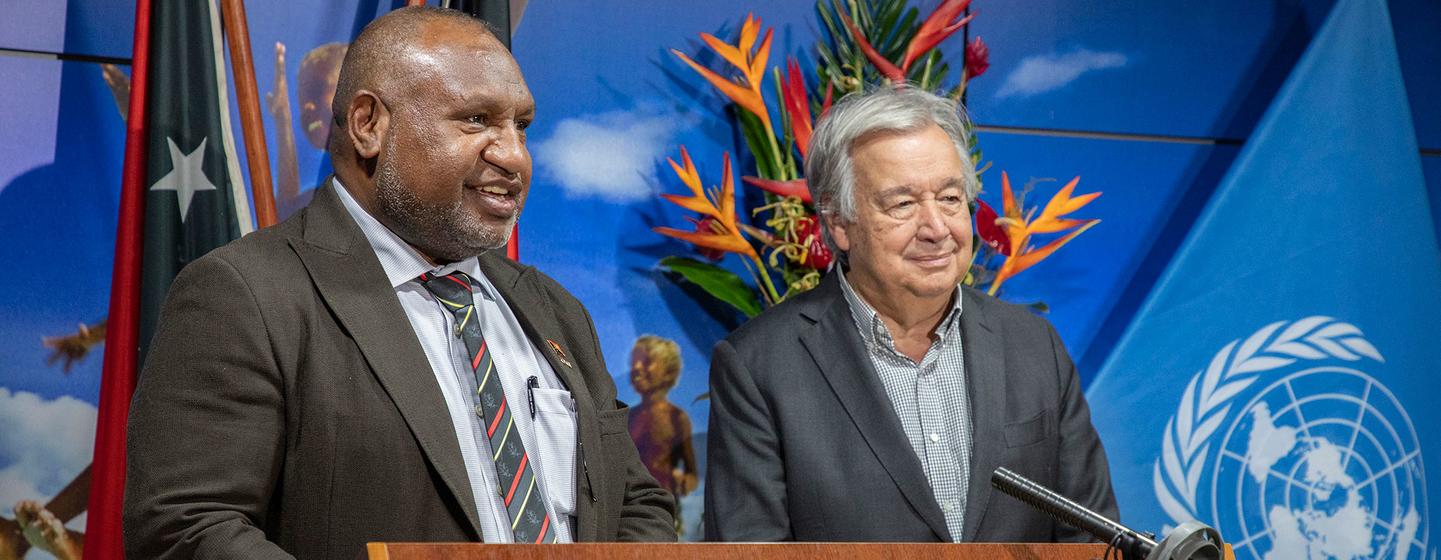
Papua new Guinea (PNG), a nation of remarkable cultural diversity – boasting over 800 languages – and stunning natural beauty, finds itself at a critical juncture. Recent visits by UN Secretary-General António Guterres, alongside Prime Minister James Marape, have spotlighted the urgent need for global climate and economic justice for this Pacific Island nation. This isn’t simply a matter of aid; it’s a fundamental restructuring of how the international community supports nations bearing the brunt of a crisis they did little to create. But what exactly are the challenges facing PNG, and what solutions are being proposed?
A Champion of Multilateralism Facing Existential Threats
Secretary-general Guterres’ recent statements in Port moresby and the national parliament powerfully underscored PNG’s commitment to peaceful dialog and international cooperation – a “champion of multilateralism” in a world increasingly questioning democratic values. https://news.un.org/en/story/2025/09/1165767 However, this dedication to global solutions is unfolding against a backdrop of escalating climate change impacts and systemic economic disadvantages.
PNG,despite being a negligible contributor to global greenhouse gas emissions – in fact,functioning as a significant carbon sink due to its vast rainforests and ocean ecosystems – is experiencing devastating consequences. rising sea levels, extreme weather events, and disruptions to traditional livelihoods are already impacting communities across the country. The Secretary-general rightly emphasized that PNG deserves not sympathy, but justice – and the resources to build resilience.The Climate Crisis: A Disproportionate Burden
The climate crisis isn’t a future threat for PNG; it’s a present reality. The nation’s geography makes it exceptionally vulnerable.
Rising Sea Levels: Coastal communities are facing displacement and loss of land. Low-lying islands are at risk of complete submersion.
Extreme Weather: Increased frequency and intensity of cyclones, droughts, and floods are disrupting agriculture, infrastructure, and access to essential services.
Coral bleaching: PNG’s vibrant coral reefs, vital for fisheries and tourism, are suffering from widespread bleaching due to warming ocean temperatures. https://www.climatecouncil.org.au/resources/coral-bleaching/
Forest Degradation: while PNG’s forests are a crucial carbon sink, they are also threatened by deforestation driven by logging and agricultural expansion, further exacerbating the climate crisis.
These impacts aren’t just environmental; they are deeply intertwined with the nation’s economic stability and social well-being. Initiatives like mangrove replanting, spearheaded by conservationists like Alfred Masul, offer localized solutions, but they require significant investment and international support to scale effectively.
The Middle-Income Trap: An Economic Injustice
Compounding the climate challenge is PNG’s classification as a ”middle-income country.” This designation, while seemingly positive, paradoxically limits access to crucial financial assistance.
Currently, PNG is ineligible for the concessional funding – grants, low-interest loans, and debt relief – available to low-income nations.this creates a vicious cycle: the country struggles to adapt to climate change and develop its economy, hindering its ability to transition to a higher-income status.
Guterres rightly labeled this situation “an injustice that must be corrected.” The current system fails to recognize the unique vulnerabilities of Small Island Developing States (SIDS) like PNG,which face disproportionate climate risks despite relatively modest economic output.
Reforming the International Financial Architecture
The Secretary-General’s call for reform of the international financial architecture is a central theme of his global advocacy. Institutions like the World Bank and the International Monetary Fund (IMF), established over 75 years ago, need to be modernized to reflect the realities of the 21st century.
Key areas for reform include:
Increased Voice for Developing Nations: Giving countries like PNG a greater say in decision-making processes.
expanded Access to Finance: providing more accessible and affordable financing options for climate adaptation and enduring development.
Debt Relief: Addressing the unsustainable debt burdens that hinder economic progress in many developing countries.
Vulnerability Indices: Developing new metrics beyond
Related reading