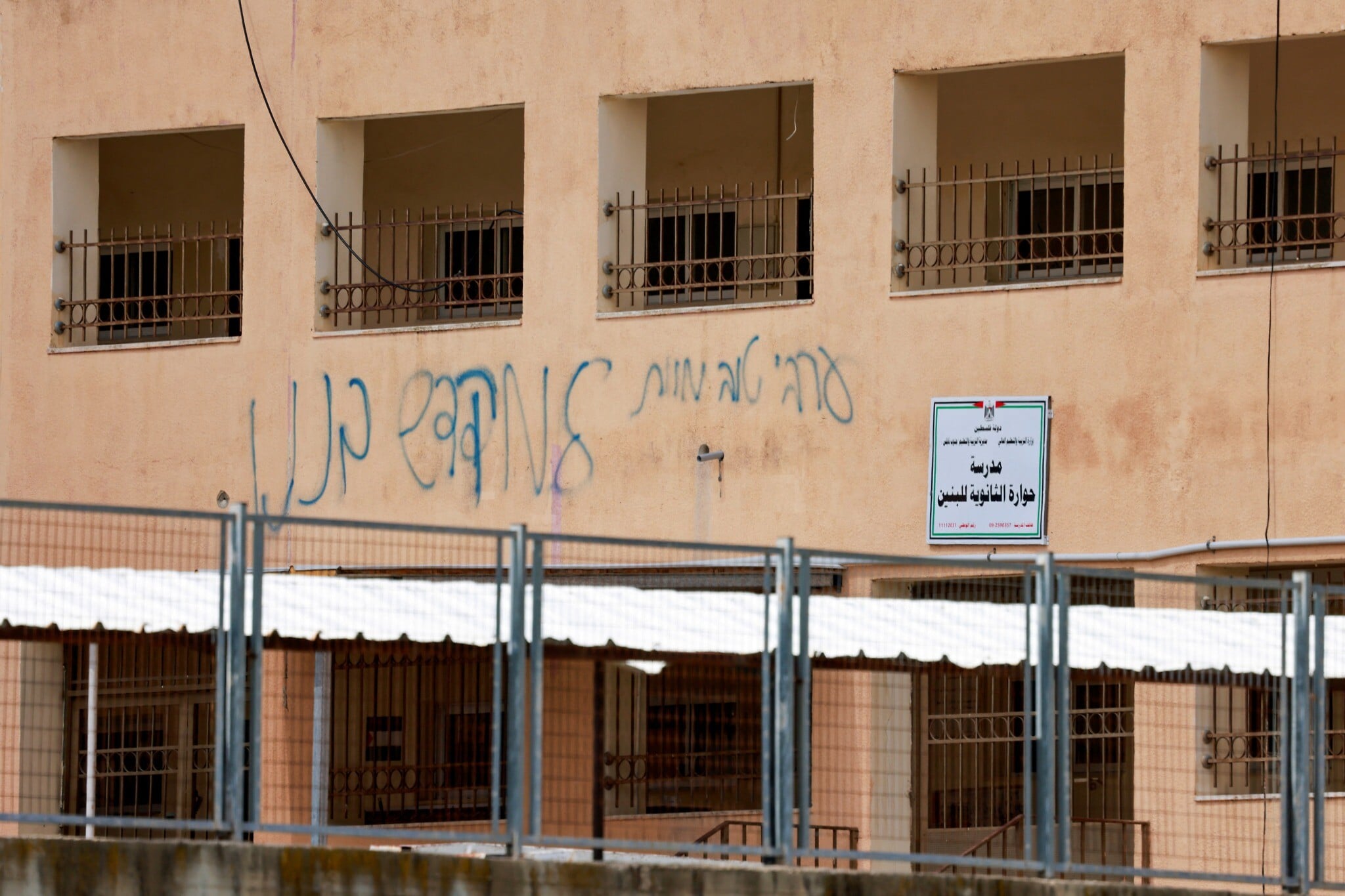
United Nations Secretary-General António Guterres has formally warned that Israeli settlers could face inclusion on a UN blacklist due to a documented increase in attacks resulting in severe harm to Palestinian children. This warning follows the Secretary-General’s recent decision to include Israel on a global list of parties that commit grave violations against children in armed conflict, a move detailed in his June 2024 annual report to the Security Council.
According to the United Nations Office of the Secretary-General, the decision to list state and non-state actors is based on verified data concerning the killing, maiming, and recruitment of minors, as well as attacks on schools and hospitals. The potential expansion of such measures to include individual settlers underscores the escalating international scrutiny regarding violence in the West Bank.
Documented Trends in West Bank Violence
The Secretary-General’s assessment points to a consistent rise in violence involving settlers in the occupied West Bank. Data provided by the UN Office for the Coordination of Humanitarian Affairs (OCHA) indicates that since October 7, 2023, there has been a marked increase in incidents involving settler-related violence against Palestinians, including minors. These incidents include physical assaults, property damage, and the destruction of agricultural land, which the UN reports has contributed to the displacement of multiple communities.
The United Nations Children’s Fund (UNICEF) has previously expressed concern over the impact of this environment on the physical and psychological well-being of children in the region. The criteria for the UN’s “list of shame”—officially titled the Annexes to the Annual Report on Children and Armed Conflict—focus on specific, verifiable patterns of abuse. Inclusion on this list does not carry immediate legal sanctions but serves as a formal mechanism for monitoring and potential future diplomatic or economic pressure.
The Context of the UN Blacklist
The inclusion of Israel in the 2024 report marked the first time the country had been placed on the list, a decision that drew immediate criticism from Israeli officials. Prime Minister Benjamin Netanyahu stated that the UN had “joined the supporters of the Hamas murderers” and argued that the Israel Defense Forces (IDF) operate in accordance with international law, as reported by Reuters. The Israeli government maintains that its military operations are necessary for self-defense and that the UN’s reporting methodology is biased.
The UN’s reporting process relies on the Monitoring and Reporting Mechanism (MRM), a framework established by the Security Council in 2005. This mechanism involves UN staff on the ground collecting evidence of violations, which is then cross-referenced with various sources, including non-governmental organizations and local authorities. The Secretary-General’s report is intended to provide a transparent account of parties that do not take sufficient measures to protect children during conflict.
Legal and Diplomatic Implications
Should the UN expand its focus to include individual settlers on a blacklist, it would represent a rare application of the mechanism to non-state actors operating within an occupied territory. International legal experts note that while the UN list is primarily state-focused, the Office of the UN High Commissioner for Human Rights (OHCHR) has repeatedly called for accountability regarding settler violence, citing the obligations of the occupying power under the Fourth Geneva Convention to ensure the safety of the civilian population.
The potential for blacklisting individuals could lead to travel bans, asset freezes, or other restrictive measures if adopted by the UN Security Council or individual member states. Currently, the list serves primarily as a tool for “naming and shaming,” intended to prompt governments and groups to sign “action plans” with the UN to end the abuses.
What Happens Next
The situation remains fluid as the UN continues to collect data for its upcoming monitoring cycles. The next major update from the Secretary-General’s office regarding the situation of children in armed conflict is expected in the subsequent annual report cycle, typically released in mid-2025. In the interim, the UN’s humanitarian agencies continue to monitor incidents in the West Bank and Gaza.
Readers interested in following these developments can monitor the UN Children and Armed Conflict portal for official statements, reports, and updates on the Monitoring and Reporting Mechanism. We encourage our readers to share their perspectives on these developments in the comments section below.