Navigating a Fragile Peace: The Shifting Landscape of Security in Eastern Congo
The Democratic Republic of Congo (DRC) is at a critical juncture, striving for stability amidst a complex web of armed conflict and regional tensions. recent diplomatic efforts have yielded a new security accord, yet significant challenges remain in achieving lasting peace, especially in the volatile eastern region. Let’s break down the situation and what it means for the future.
A new agreement, signed by several regional actors, aims to de-escalate the ongoing crisis. However, it notably excludes the M23 rebel group, who are currently engaged in separate negotiations with the Congolese government. This group previously agreed to a ceasefire earlier this year, though accusations of violations continue from both sides.
Despite the exclusion,the accord places a key obligation on Rwanda: to cease all support for armed groups like M23 and actively work towards ending hostilities. This is a crucial step, as Congo, alongside U.S. and U.N. experts, has consistently accused Rwanda of backing the M23.
The Growing Strength of M23
Consider this: the M23 has dramatically expanded its ranks. What began as a few hundred fighters in 2021 has swelled to approximately 6,500, according to U.N. reports. This growth underscores the urgency of addressing the root causes of the conflict and halting external support.
Eastern Congo is unfortunately a hotbed for armed groups, with over 100 vying for control, particularly near the border with Rwanda. This ongoing conflict has created a massive humanitarian crisis. Currently, over 7 million people are displaced, according to the U.N. refugee agency – a truly staggering number.
A History of Intervention: MONUSCO‘s Role
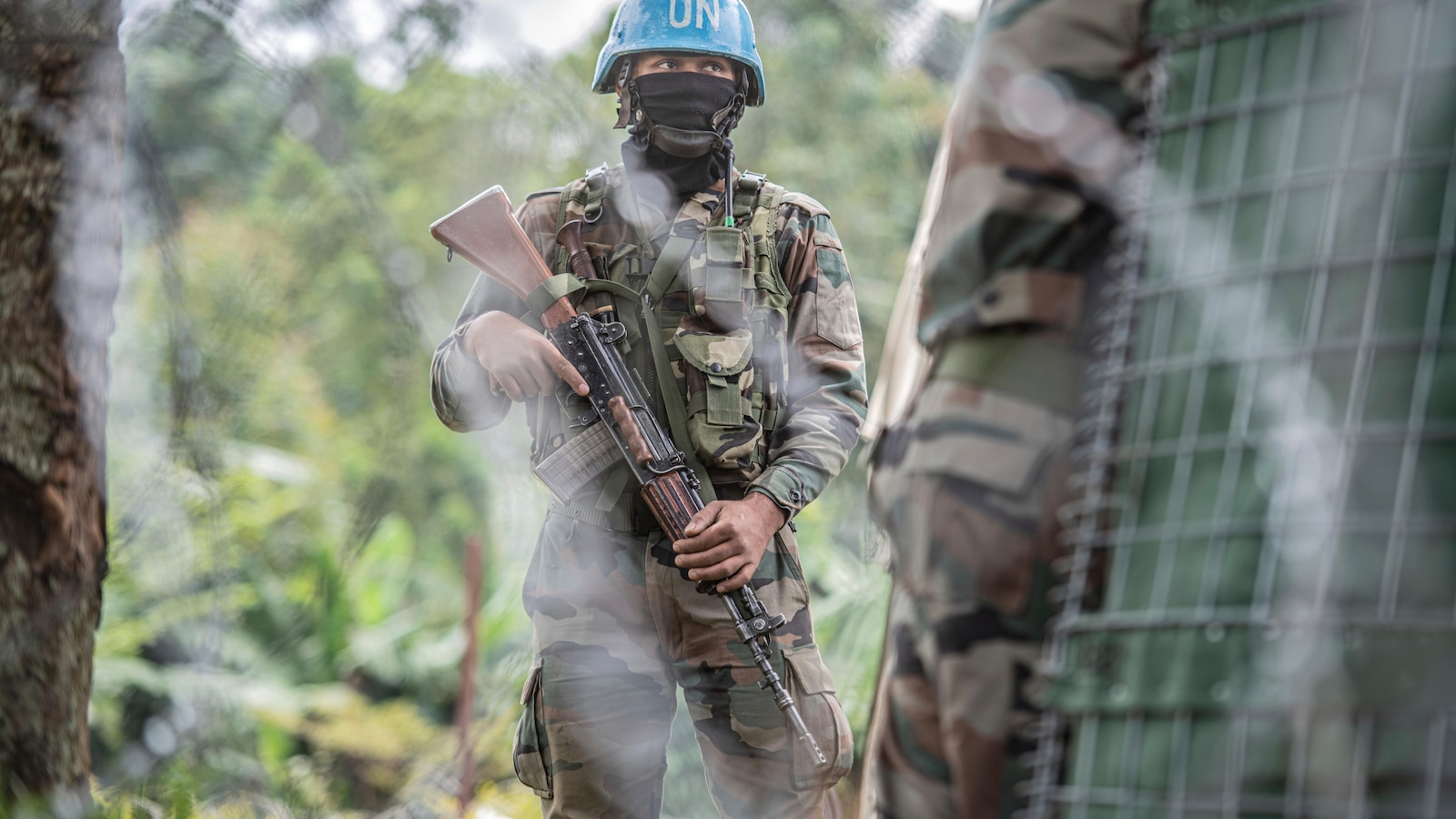
For over a decade, the U.N. peacekeeping force,MONUSCO,has been present in Congo. Arriving in 2010, its initial mandate was to protect civilians, humanitarian workers, and support the Congolese government in stabilizing the region.
Though, the mission has faced increasing criticism. Many Congolese citizens feel unprotected from rebel attacks,leading to protests – some of which have tragically turned violent. you can understand their frustration; a sense of security is paramount.
In response to these concerns, and at the request of the congolese government, the U.N. Security Council voted unanimously in 2023 to begin drawing down MONUSCO. The plan is to gradually transfer security responsibilities to the Congolese government.
This transition is a significant shift.It requires a robust and capable Congolese security apparatus, alongside continued international support, to prevent a security vacuum. The path forward is undoubtedly complex, but a concerted effort towards strengthening Congolese institutions and addressing the underlying drivers of conflict is essential for a more peaceful future.
Ultimately, achieving lasting peace in eastern Congo demands a multi-faceted approach. It requires regional cooperation, a commitment to ending external support for armed groups, and a focus on addressing the humanitarian needs of the millions affected by the conflict. It’s a long road, but one worth traveling for the sake of the Congolese people and the stability of the region.
Related reading