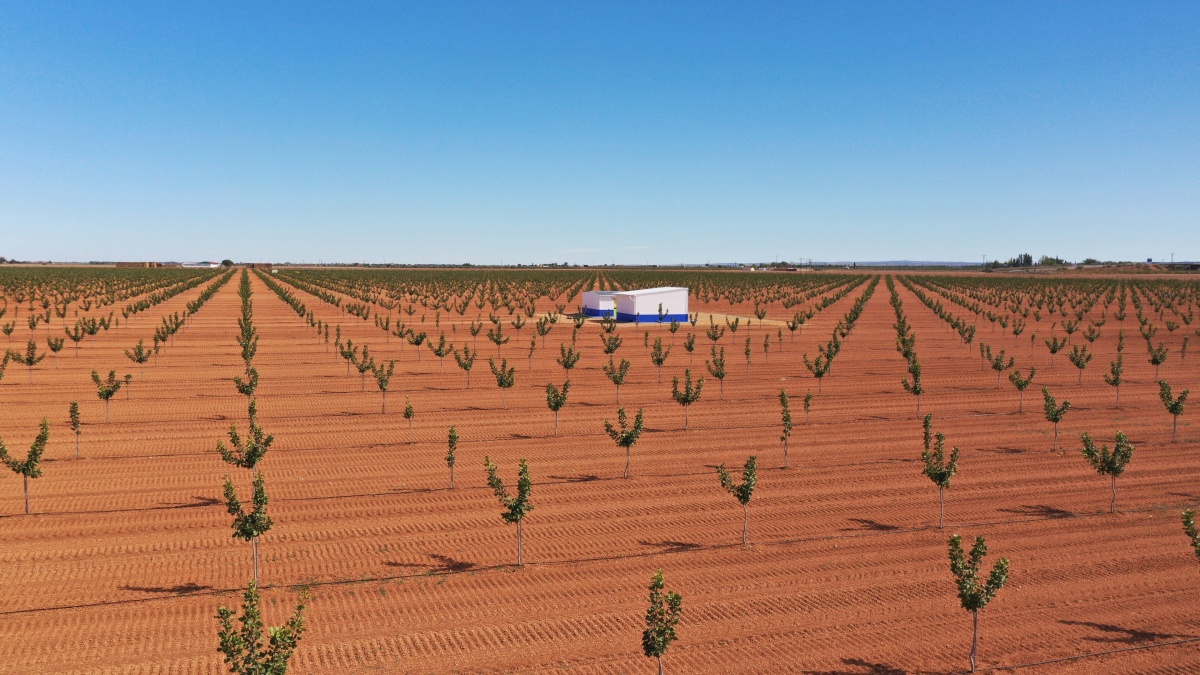
A recent sustainability assessment has identified pistachios grown in the Castilla-La Mancha region of Spain as among the most environmentally efficient in the world. The study, which evaluated key economic and ecological indicators, highlights the crop’s low water footprint and high productivity levels compared to traditional nut-growing regions. As global demand for plant-based proteins rises, this findings position the Spanish central plateau as a significant player in sustainable agricultural development.
The research, conducted by academic and industry analysts, focused on the specific Mediterranean climate of Castilla-La Mancha, which allows for dry-land cultivation—a technique that significantly reduces the reliance on irrigation. According to data from the Spanish Ministry of Agriculture, Fisheries and Food, the surface area dedicated to pistachio cultivation in Spain has seen substantial growth over the last decade, driven by the plant’s natural resilience to arid conditions and extreme temperature fluctuations.
Environmental Impact and Water Efficiency
The sustainability of the Castilla-La Mancha pistachio relies heavily on its physiological suitability to the local soil composition and climate. Unlike other high-value nut crops that require intensive water management, the pistachio (Pistacia vera) is inherently drought-tolerant. The study points to a “virtuous cycle” where the minimal use of chemical fertilizers combined with the plant’s deep root system results in a low carbon footprint for the final product.
Water management remains the most critical factor in agricultural sustainability. In many global production hubs, such as California’s Central Valley, water scarcity has forced producers to invest in complex infrastructure or face significant yield reductions. In contrast, the Junta de Comunidades de Castilla-La Mancha has emphasized the region’s focus on sustainable irrigation practices, which prioritize efficiency and soil health to ensure long-term viability without depleting local aquifers.
Economic Viability for Small and Medium Producers
Beyond environmental metrics, the study analyzed the economic impact on rural communities in Spain. The pistachio sector has emerged as an alternative to traditional, less profitable cereal crops, providing a higher financial return per hectare. This shift is particularly relevant for the “España Vaciada” (emptied Spain) initiative, which seeks to revitalize rural areas through sustainable economic activity.
Productivity in the region has been bolstered by the adoption of modern agricultural technology. By integrating precision agriculture—which uses sensors and satellite data to monitor crop health—farmers can optimize inputs such as water and nutrients. According to the National Statistics Institute (INE), the expansion of woody crops, including pistachios, reflects a broader trend of agricultural modernization aimed at increasing export competitiveness while maintaining environmental compliance with European Union standards.
Global Market Positioning
The European market for pistachios is currently characterized by high import dependency, primarily from the United States and Iran. However, the recognition of Castilla-La Mancha’s production as a sustainable model offers a competitive advantage. European consumers are increasingly prioritizing the “food miles” and environmental impact of their purchases, favoring locally sourced products that adhere to strict EU regulations regarding pesticide use and labor practices.
The study suggests that the certification of “sustainable origin” could further elevate the price premium for Spanish-grown nuts. By focusing on quality over sheer volume, producers in the region are positioning themselves to capture a larger share of the health-conscious market. This strategy is supported by regional policy initiatives that encourage the formation of cooperatives, allowing smaller growers to access international markets and leverage economies of scale.
Future Challenges and Adaptation
Despite the positive findings, the sector faces challenges related to climate change and the need for continuous innovation. The study notes that while the pistachio is hardy, prolonged heatwaves and unpredictable frost patterns can still affect yields. Ongoing research, often conducted in collaboration with regional universities and the Spanish National Research Council (CSIC), is focused on identifying rootstocks that are even more resistant to these stressors.
The next checkpoint for the industry involves the upcoming harvest season and the release of updated agricultural census data, which will provide further insight into the growth of new plantations. As the region continues to refine its cultivation methods, the focus remains on balancing economic growth with the preservation of the unique biodiversity of the Iberian plateau. We invite our readers to share their thoughts on the role of sustainable agriculture in their own regions in the comments section below.
Related reading