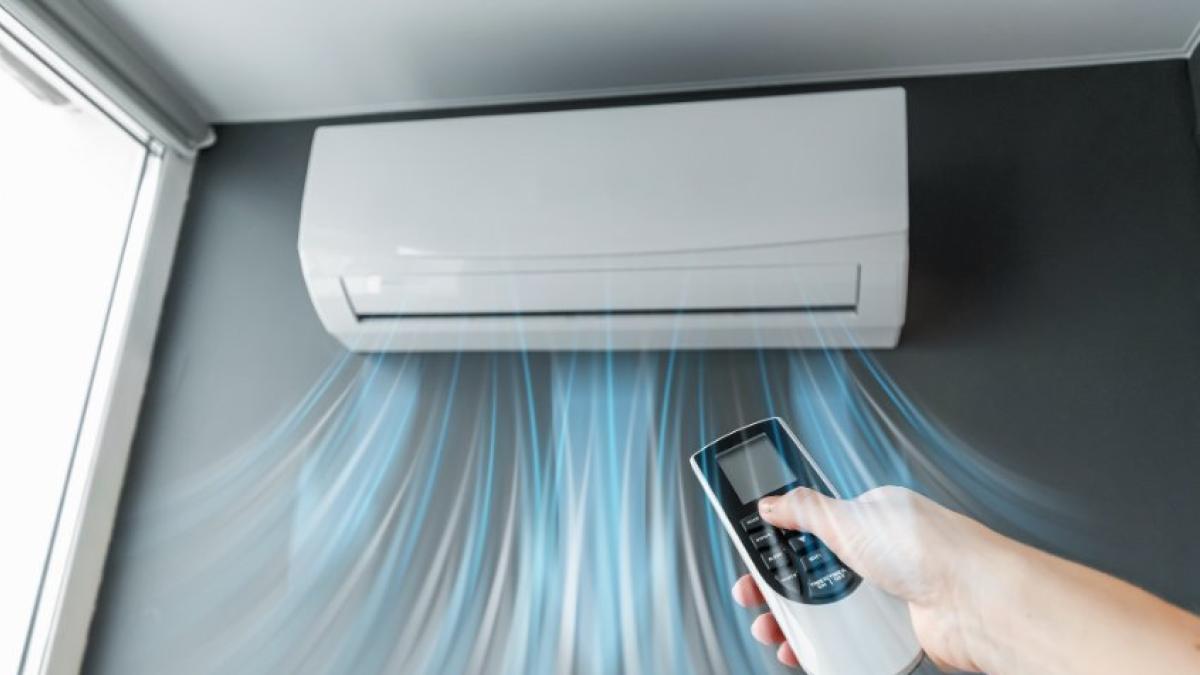
Air conditioning systems do not cause respiratory infections, but the improper use of these units can create conditions that weaken the body’s natural defenses and facilitate the transmission of airborne viruses. As temperatures rise, the reliance on climate control becomes a public health consideration, particularly regarding how indoor environmental factors influence the respiratory tract.
According to medical guidance from the National Institute for Occupational Safety and Health, the primary risk associated with air conditioning is not the cold air itself, but the reduction of indoor humidity and the potential for poor ventilation. When indoor air is excessively dry, the mucous membranes in the nose and throat can become dehydrated. These membranes serve as the first line of defense for the respiratory system, acting as a physical barrier that traps pathogens before they can enter the body. When this barrier is compromised, the risk of contracting viral infections increases.
The Relationship Between Humidity and Viral Transmission
The efficiency of the human respiratory defense system relies heavily on optimal humidity levels. Research published by the National Institutes of Health indicates that low indoor humidity—often a byproduct of intense air conditioning—can impair mucociliary clearance. This is the process by which tiny, hair-like structures in the respiratory tract move mucus and trapped particles out of the lungs. When this process slows due to dryness, viruses have a longer window to remain in contact with the respiratory tissue.
Furthermore, climate-controlled environments often involve closed spaces with recirculated air. If a building’s ventilation system is not properly maintained or is not introducing a sufficient volume of fresh outdoor air, the concentration of viral particles in the air can rise. This creates a higher probability of transmission in indoor settings, particularly in offices or public spaces where multiple individuals share the same air supply.
Managing Indoor Air Quality for Health
To mitigate these risks, public health officials emphasize the importance of maintaining proper maintenance schedules for HVAC systems. The Environmental Protection Agency provides guidelines for homeowners and building managers, highlighting that regular filter changes and the integration of fresh air intake are essential to reducing the concentration of pollutants and pathogens. Filters that are clogged or improperly fitted can lose their ability to capture particulates, effectively turning a ventilation system into a stagnant loop of recycled air.
Beyond technical maintenance, individual behavior plays a significant role in preventing respiratory discomfort. Experts suggest several practical measures to counteract the drying effects of air conditioning:
- Maintain Hydration: Drinking adequate amounts of water helps keep the mucous membranes hydrated from the inside out.
- Monitor Temperature Settings: Avoiding extreme temperature differentials between the outdoors and the indoors can reduce the shock to the respiratory system.
- Use Humidifiers: In environments where air conditioning is unavoidable, a portable humidifier can help restore the ambient moisture levels necessary for nasal health.
- Ensure Airflow: Where possible, opening windows periodically to cycle in fresh air can dilute the concentration of indoor contaminants.
Distinguishing Between Irritation and Infection
It is important to differentiate between the physical irritation caused by dry air and an actual viral infection. Symptoms such as a dry throat, nasal congestion, or a persistent cough are often misattributed to a “cold” caused by the air conditioner. However, these are frequently signs of localized inflammation due to the loss of humidity. If these symptoms persist or are accompanied by fever or body aches, it is more likely that a virus has successfully bypassed the body’s weakened defenses.
The World Health Organization notes that in the context of the COVID-19 pandemic and other respiratory illnesses, proper ventilation is a key pillar of infection prevention. The goal is to ensure that indoor environments do not become reservoirs for pathogens. This requires a balanced approach: using climate control for thermal comfort while simultaneously prioritizing air exchange and humidity management.
As seasonal patterns shift and dependence on air conditioning fluctuates, the focus remains on personal environmental management. Readers are encouraged to monitor their indoor environments and consult local health department resources for updated guidance on building ventilation standards. Comments or questions regarding personal experiences with indoor climate management are welcome below.