
U.S. Secret Service Disrupts Telecom Threat network Ahead of UN general Assembly
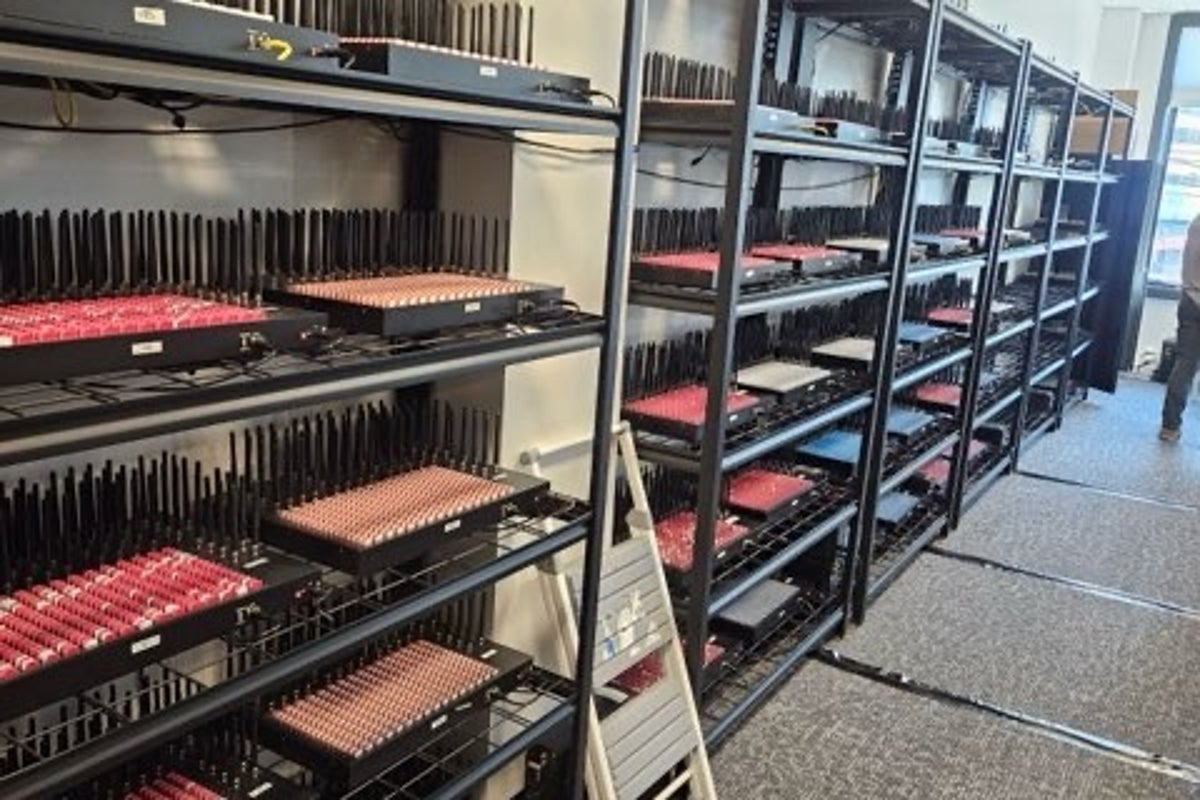
are you concerned about the security of critical infrastructure, especially during high-profile events? The U.S.Secret Service recently uncovered and dismantled a sophisticated network of electronic devices in the New york area, designed to disrupt telecommunications and potentially target senior government officials. This discovery comes as world leaders gather for the UN General Assembly, raising the stakes for national security.
Here’s a breakdown of what you need to know about this developing situation.
The Threat Uncovered
The Secret Service identified a stockpile of devices capable of causing notable disruption to U.S. telecom systems. These weren’t simple hacking tools; they possessed the ability to:
* disable phone towers: Rendering communication networks unreliable or completely unavailable.
* Facilitate anonymous communication: Allowing threat actors and criminal organizations to communicate securely and evade detection.
* Carry out “telephonic attacks”: The precise nature of these attacks remains under examination, but suggests potential for targeted disruption and misinformation campaigns.
The agency stated the network was actively used to target senior U.S. government officials with telecommunications-related threats. This proactive discovery prevented potential harm and showcased the Secret Service’s commitment to preventative security measures.
What the Secret Service is Saying
U.S. Secret Service Director Sean Curran emphasized the gravity of the situation. “The potential for disruption to our country’s telecommunications posed by this network of devices cannot be overstated,” he stated.
Curran further highlighted the agency’s core mission: prevention. This investigation serves as a clear warning to anyone considering similar actions – the Secret Service will aggressively investigate, track, and dismantle any imminent threats to protected individuals.
Implications for National Security
This incident underscores the growing vulnerability of critical infrastructure to sophisticated cyber and electronic attacks. As technology evolves, so too do the methods employed by those seeking to exploit weaknesses in our systems.
Consider these key takeaways:
* increased vigilance is crucial: Protecting telecom networks requires constant monitoring and adaptation.
* Collaboration is essential: Effective security relies on data sharing between government agencies and private sector partners.
* Proactive defense is paramount: Identifying and neutralizing threats before they materialize is the most effective approach.
The timing of this discovery, coinciding with the UN General Assembly, is particularly concerning. The event draws a large concentration of world leaders and dignitaries to New York City, making it a prime target for potential attacks.
what Happens next?
The Secret Service investigation is ongoing. Authorities are working to determine the origin of the devices,the identities of those responsible,and the full extent of the network’s capabilities.
Expect further updates as the investigation unfolds.This situation serves as a stark reminder of the constant threats facing our nation and the dedication of those working to protect us.
Evergreen Insights: The Evolving Landscape of Telecom Security
Telecom security isn’t a static field. it’s a constantly evolving arms race between those protecting networks and those seeking to exploit them. Here are some enduring trends to keep in mind:
* 5G Vulnerabilities: The rollout of 5G technology introduces new security challenges due to its increased complexity and reliance on software-defined networking.
* Supply Chain Risks: The sourcing of telecom equipment from foreign vendors raises concerns about potential backdoors and vulnerabilities.
* IoT Security: The proliferation of Internet of Things (IoT) devices connected to telecom networks expands the attack surface and creates new opportunities for exploitation.
* Encryption & Anonymity: The increasing use of encryption and anonymity tools makes it more challenging to track and intercept malicious communications.
Frequently Asked questions (FAQ)
1. What is the primary keyword? Telecom security
Q: What exactly is telecom security?
A: Telecom security encompasses the measures taken to protect telecommunications networks - including phone lines, cell towers, and internet infrastructure – from unauthorized access, disruption, and misuse.
2. What are the biggest threats to telecom security? Telecom threats
Q: What types of telecom threats are most common today?
A: Common threats include cyberattacks like DDoS attacks, malware infections, and attempts to exploit vulnerabilities in network equipment.Physical threats, like
![AI in Healthcare: Empowering Workers, Improving Care | [Year] Guide](https://i0.wp.com/imgproxy.divecdn.com/qMIV-iKDjVprR4UGS041H9jSQjhYd32y1cyhaTE1hD4/g%3Ace/rs%3Afit%3A770%3A435/Z3M6Ly9kaXZlc2l0ZS1zdG9yYWdlL2RpdmVpbWFnZS9ISU1TUy5BSVN1bW1pdC4yMDI1LTEuanBn.webp?resize=150%2C150&ssl=1 "AI in Healthcare: Empowering Workers, Improving Care | [Year] Guide")


