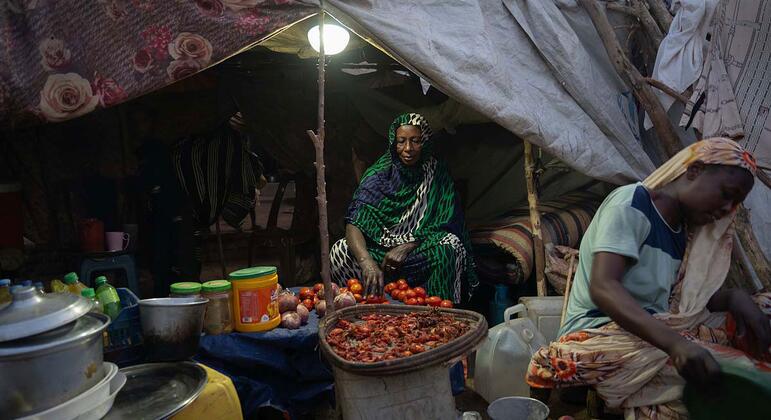
The opportunity to prevent a major escalation of armed conflict in the Sudanese city of El Obeid is “rapidly narrowing” as fighting intensifies in the North Kordofan state capital, according to a senior United Nations official. The situation in the city has become increasingly volatile as fighting intensifies in and around the North Kordofan state capital.
As the humanitarian landscape shifts, international monitors and aid organizations are reporting that the window for preventive diplomacy is closing. The conflict has displaced millions and left the nation’s infrastructure in a state of collapse.
Strategic Importance of El Obeid
El Obeid functions as a vital gateway connecting the capital, Khartoum, to the western regions of Sudan, including Darfur and Kordofan. Control over the city is considered essential for the movement of supplies, fuel, and humanitarian aid. The city’s location makes it a primary theater for the ongoing power struggle, as both the SAF and RSF seek to secure supply lines that sustain their respective military operations.
The intensification of fighting in North Kordofan has directly impacted the civilian population, limiting access to essential services. Reports indicate that market disruptions and the destruction of local infrastructure have exacerbated food insecurity in the region. The escalation poses a significant risk to the estimated hundreds of thousands of residents who remain trapped or displaced within the city’s immediate vicinity.
Humanitarian and Economic Consequences
The economic toll of the conflict in El Obeid is profound, affecting not only local trade but the broader economic stability of the country. As a central hub, the city’s inability to function as a commercial nexus has led to severe shortages of basic goods. The collapse of domestic production and trade routes has contributed to an unprecedented contraction of the Sudanese economy, with inflation rates reaching levels that make daily survival difficult for the average citizen.
The humanitarian situation is further complicated by the difficulty of delivering aid to North Kordofan. International aid agencies have frequently cited insecurity, bureaucratic delays, and active combat as primary barriers to their operations. The lack of safe humanitarian corridors in contested areas like El Obeid threatens to push vulnerable populations toward famine-like conditions.
What Happens Next
The immediate future for El Obeid remains tied to the broader peace negotiation efforts, which currently lack a definitive breakthrough. Regional actors are working to facilitate a ceasefire, yet both primary parties to the conflict have maintained their military postures. For local residents, the next checkpoint involves the potential for intensified localized fighting or the establishment of humanitarian pauses that would allow for the movement of essential supplies.

International observers continue to monitor the situation through satellite imagery and field reporting to track troop movements and damage to civilian infrastructure. The United Nations remains the primary source for updates on regional security and humanitarian requirements. Readers seeking to track developments or contribute to relief efforts are encouraged to consult official reports for verified, real-time data on the ground.
The situation remains fluid. Further updates are expected as international mediators respond to the latest reports of increased military activity in North Kordofan. Please share your thoughts or questions in the comments section below to join the discussion on this critical regional development.
Related reading