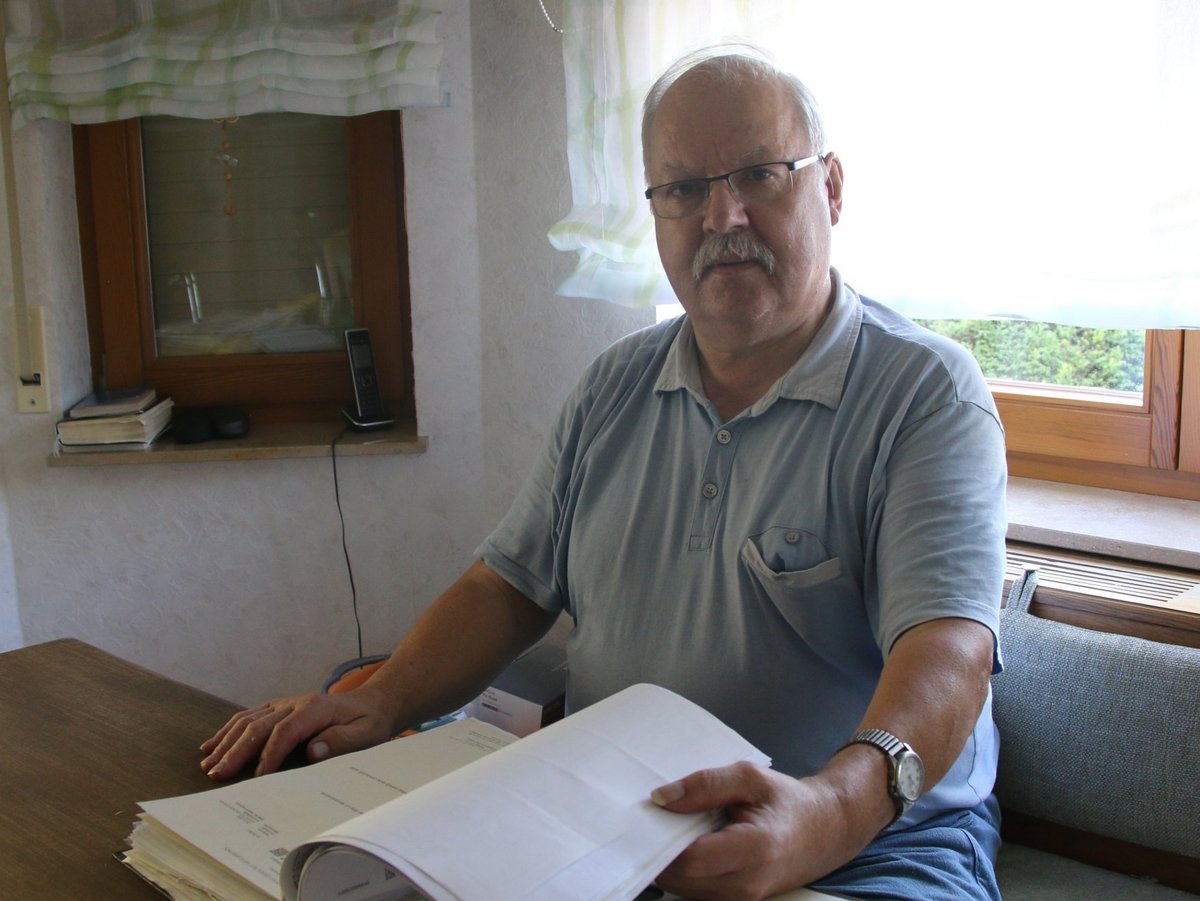
Gerhard Meuder, a resident of Sersheim, Germany, is currently contesting the denial of a “Pflegegrad” (care grade) after a foot operation left him unable to walk for several months. This case highlights the systemic challenges within the German long-term care insurance system, where benefits are tied to a measured loss of independence rather than the immediate medical necessity of post-surgical recovery.
Under the German social security framework, a Pflegegrad determines the level of financial and professional support a person receives for care. For Meuder, the lack of a designated care grade has forced his wife to remain at home to provide full-time assistance, removing her from her own professional or personal activities without the financial subsidies provided by the state’s care insurance.
The conflict centers on the assessment conducted by the Medizinischer Dienst (MD), formerly known as the MDK, which evaluates whether a patient is “permanently” or “sufficiently” impaired in their daily living. In cases of temporary disability, such as recovery from surgery, the MD often determines that the impairment is transient, leading to a rejection of the application despite the acute need for care in the present moment.
How is a Pflegegrad determined in Germany?
The Pflegegrad application process in Germany is governed by the Social Code Book XI (SGB XI). Unlike many healthcare systems that grant support based on a specific medical diagnosis, the German system utilizes a modular assessment of “independence” (Selbstständigkeit). According to the Federal Ministry of Health, the assessment focuses on how much assistance a person requires to perform basic daily activities.

Assessors from the Medical Service (MD) evaluate the patient across six modules of independence:
- Mobility (e.g., getting out of bed, standing up, walking).
- Cognitive and communicative abilities (e.g., orientation, memory).
- Behavioral and psychological problems.
- Self-care (e.g., washing, dressing, eating).
- Handling demands of everyday life (e.g., managing finances, appointments).
- The degree of stability of the care need.
Each module is assigned a score. The total score determines the Pflegegrad, ranging from Level 1 (lowest need) to Level 5 (highest need). A person must be found “insufficiently independent” in a significant number of these areas to qualify for a grade. If the assessor believes a patient’s mobility is only temporarily restricted due to a surgical wound or a cast, they may score the patient higher in “independence” than the patient or their family feels is accurate for their current state.
Why post-surgical patients struggle with care grades
The primary tension in cases like that of Gerhard Meuder arises from the distinction between “acute care” and “long-term care.” Acute care, which includes the immediate aftermath of surgery, is typically covered by statutory health insurance (Krankenversicherung) through hospital stays or short-term nursing services. The Pflegeversicherung (long-term care insurance) is designed for chronic or long-term impairments.
When a patient is unable to walk for several months, they fall into a gray area. While their need for help is absolute, the MD may categorize the condition as a “temporary medical condition” rather than a “care need.” This often results in a denial of the Pflegegrad because the impairment is expected to resolve through rehabilitation or natural healing.
This gap creates a significant burden on family caregivers. In the German system, a Pflegegrad unlocks “Pflegegeld” (care allowance) paid to the family member providing care, or “Pflegesachleistungen” (professional care services). Without this grade, the spouse of a post-surgical patient must often quit their job or use unpaid leave to ensure the patient’s safety, as professional home care is prohibitively expensive without insurance subsidies.
What to do if a care grade application is denied
Patients and families who receive a negative assessment from the MD have the legal right to challenge the decision. The first step in this process is filing a “Widerspruch” (formal objection) with the care insurance provider (Pflegekasse). This objection must typically be filed in writing within one month of receiving the notice.
To successfully appeal a denied Pflegegrad, advocates and medical professionals suggest the following steps:
- Maintain a Care Diary: Document every single instance where help is needed over a two-week period. This provides concrete evidence of the “lack of independence” that a one-hour MD visit might miss.
- Medical Documentation: Obtain a detailed statement from the treating surgeon or primary physician specifically addressing the patient’s inability to perform daily tasks, rather than just the clinical status of the wound.
- Presence during Assessment: Ensure a family member or a professional counselor is present during the MD visit to correct any misconceptions the assessor may have about the patient’s abilities.
If the “Widerspruch” is rejected, the applicant can take the case to a Social Court (Sozialgericht). In these proceedings, the court often appoints an independent medical expert to re-evaluate the patient’s level of independence.
The impact on family caregivers
The struggle for a care grade is not merely a financial dispute; it is a matter of caregiver sustainability. When a spouse provides full-time care without official recognition, they lose access to the “Pflegeunterstützungsgeld” (care support allowance) and the ability to contribute to their own pension through the care insurance fund.

In the case of the Sersheim resident, the denial of the grade means the care burden falls entirely on the household’s private resources. This scenario is common across Germany, where the transition from hospital “acute care” to home “long-term care” is often fraught with bureaucratic hurdles.
The German system currently faces criticism for its rigid assessment tools, which some patient advocacy groups argue do not sufficiently account for the “crisis phase” of recovery, where a patient is technically recovering but practically incapacitated.
For those currently navigating the application process, official guidance and forms can be accessed through the regional Pflegekasse or the Federal Institute for Drugs and Medical Devices for related medication and recovery support information.
The next step for individuals in this situation is the filing of the formal objection (Widerspruch) to trigger a re-evaluation of the care needs. Readers are encouraged to share their experiences with the Pflegegrad process in the comments below.