
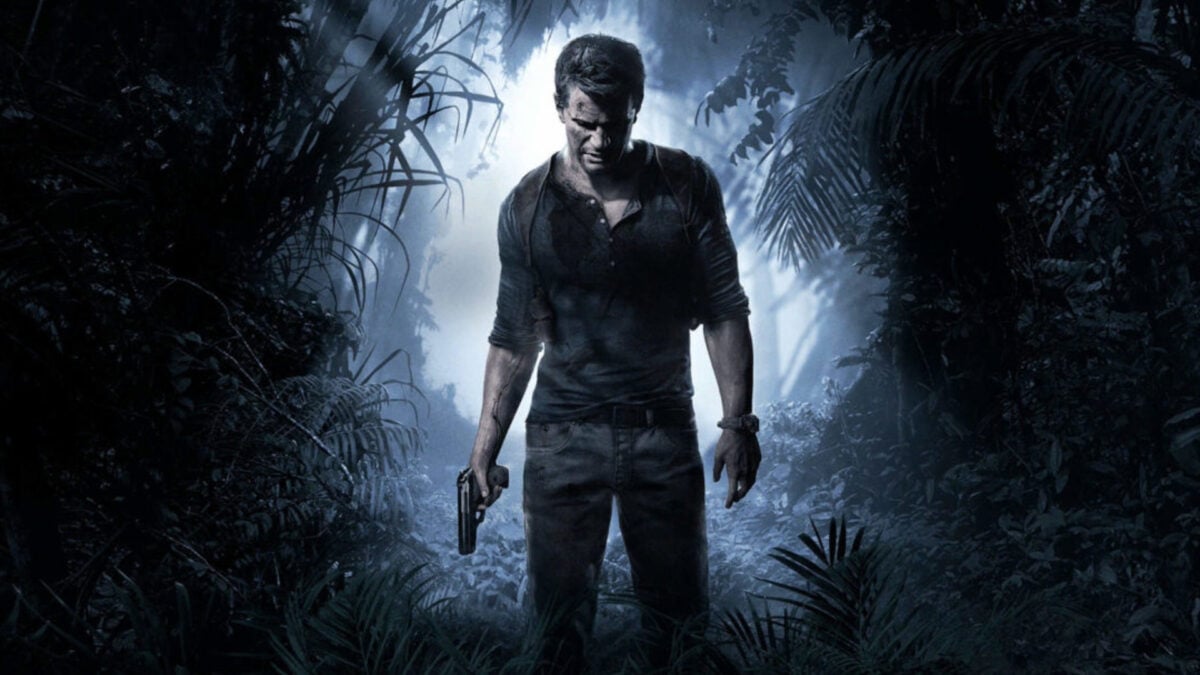
The intersection of cinema and interactive entertainment has always been a goal for developers, but few have mastered the alchemy as effectively as Naughty Dog. As we reach a significant milestone in May 2026, the Uncharted video game franchise stands as a masterclass in how to blend narrative depth with high-octane action, forever altering the expectations of the action-adventure genre.
For many, the series is defined by the charismatic Nathan Drake, a treasure hunter whose flaws make him as compelling as his exploits. However, the true legacy of the franchise lies in its technical ambition. From the early days of the PlayStation 3 to the cutting-edge fidelity of the PlayStation 5, the series pushed the boundaries of motion capture, environmental storytelling, and seamless pacing, proving that a game could feel like a summer blockbuster without sacrificing player agency.
This weekend marks a poignant double anniversary for the community: it has been a decade since the release of the series’ emotional climax, and roughly twenty years since the franchise’s earliest conceptual reveals began to take shape. While the future of the series remains an open question, its influence is visible in nearly every modern third-person adventure game that prioritizes character growth and cinematic presentation.
The Blueprint for Cinematic Storytelling
When Uncharted: Drake’s Fortune first arrived on PlayStation on November 19, 2007, it didn’t just introduce a new character; it introduced a new rhythm to gaming. Under the creative guidance of Amy Hennig, Naughty Dog moved away from the static cutscenes of the era, opting instead for “playable” dialogue where characters continued to converse and react while the player navigated the environment.

This design choice bridged the gap between storytelling and gameplay, ensuring that the narrative momentum never ground to a halt. The franchise utilized a “scripted event” philosophy, where the world would collapse or shift around the player in real-time, creating a sense of scale and danger that felt authentic to the pulp-adventure films of the 1980s. This approach turned the game world into a living stage, where the environment was as much a character as Nathan Drake himself.
The technical evolution continued with Uncharted 2: Among Thieves (2009) and Uncharted 3: Drake’s Deception (2011), which refined the series’ use of verticality and environmental puzzles. By the time the series reached its peak, Naughty Dog had perfected a loop of exploration, combat, and cinematic spectacle that became the industry standard for the “prestige” action game.
The Emotional Weight of ‘A Thief’s End’
While the first three entries focused on the thrill of the hunt, Uncharted 4: A Thief’s End, released on May 10, 2016, shifted the focus toward the cost of obsession. By grounding the adventure in a familial conflict between Nate and his brother Sam, Naughty Dog transitioned the series from a lighthearted romp into a mature character study.
The 2016 release is widely regarded as a technical triumph, particularly in its depiction of human emotion. The use of advanced performance capture allowed the actors’ subtle facial expressions to convey grief, doubt, and love, reducing the reliance on overt dialogue. This shift in focus—from “where is the treasure” to “who is Nathan Drake”—gave the franchise a narrative closure that is rare in long-running gaming series.
The impact of Uncharted 4 extended beyond its story. Its implementation of wide-linear level design—giving players large, open areas to explore while still maintaining a directed narrative path—influenced a generation of developers seeking to balance freedom with storytelling. It proved that players were willing to slow down for quiet, reflective moments if the emotional stakes were sufficiently established.
Expanding the Legacy: Beyond Nathan Drake
The franchise proved it could survive without its primary protagonist in Uncharted: The Lost Legacy, released in 2017. By shifting the spotlight to Chloe Frazer and Nadine Ross, Naughty Dog expanded the lore and explored different dynamics of partnership and rivalry. This standalone expansion demonstrated that the “Uncharted formula”—treasure hunting, witty banter, and breathtaking vistas—was a versatile framework that could support various perspectives.

The series’ reach eventually extended beyond the console. The Uncharted: Legacy of Thieves Collection, launched on January 28, 2022, brought both A Thief’s End and The Lost Legacy to a wider audience, including PC players, with enhanced visuals and performance modes. This move ensured that the franchise’s technical achievements remained accessible as hardware evolved.
the 2022 feature film starring Tom Holland brought the world of Uncharted to the global cinema audience. While the film served as a separate interpretation of the characters, it reinforced the franchise’s identity as a bridge between the gaming and film industries, highlighting the universal appeal of the “lost city” trope when paired with modern production values.
Key Milestones of the Uncharted Franchise
| Year | Title | Significance |
|---|---|---|
| 2007 | Uncharted: Drake’s Fortune | Established the cinematic action-adventure blueprint. |
| 2009 | Uncharted 2: Among Thieves | Introduced refined pacing and scripted set-pieces. |
| 2011 | Uncharted 3: Drake’s Deception | Expanded environmental scale and puzzle complexity. |
| 2016 | Uncharted 4: A Thief’s End | Peak technical fidelity and narrative maturity. |
| 2017 | Uncharted: The Lost Legacy | Proven success of a non-Drake led narrative. |
| 2022 | Legacy of Thieves Collection | Expanded accessibility to PC and next-gen consoles. |
The Technical Influence on Modern Gaming
From a software engineering perspective, the Uncharted video game franchise contributed significantly to the evolution of game engines. Naughty Dog’s proprietary tools allowed for a level of detail in environmental assets and character animation that was previously unseen in the industry. Their focus on “micro-interactions”—the way a character’s hand brushes against a wall or how clothing reacts to wind—created a sense of presence and immersion that modern AAA titles now strive to emulate.
The series also pioneered the use of “invisible” tutorials. Rather than pausing the game for a text box, Uncharted taught players its mechanics through environmental cues and dialogue. This seamless integration of learning and playing is now a cornerstone of modern game design, reducing friction and keeping the player immersed in the world.
the franchise’s approach to voice acting and motion capture set a new bar for the industry. By recording actors together in a shared space rather than in isolation, Naughty Dog captured the natural chemistry and timing of human conversation. This authenticity is what allowed the banter between Nate and his companions to feel genuine, transforming the characters from mere avatars into believable people.
What Happens Next?
As of May 2026, the official status of a potential Uncharted 5 remains unconfirmed. Naughty Dog has shifted its focus toward other projects, and the franchise has entered a period of dormancy. However, in the gaming industry, dormancy is rarely permanent. The enduring popularity of the Legacy of Thieves Collection and the cultural footprint of the film suggest that there is still a significant appetite for more treasure-hunting adventures.
Whether the series returns with a new protagonist or finds a way to revisit the world of Nathan Drake, its impact is already permanent. It taught the industry that action games could be emotionally resonant and that cinematic presentation does not have to come at the expense of gameplay. The “Uncharted style” is no longer just a Naughty Dog trademark; it is a fundamental part of the modern gaming lexicon.
For fans looking for updates, the most reliable sources remain official announcements from Naughty Dog and Sony Interactive Entertainment. As the industry moves toward even more immersive experiences, it is likely that the lessons learned during the development of Uncharted will continue to inform the next generation of adventure games.
Do you think the Uncharted series should return with a new cast, or is Nathan Drake’s story best left as a completed trilogy? Let us know your thoughts in the comments below and share this retrospective with your fellow treasure hunters.