Crypto lending platforms now commonly require overcollateralization ratios between 130% and 300% for loans, meaning borrowers must pledge significantly more in digital assets than the loan amount to secure financing. According to data from major platforms like Blockchain.com and CoinDesk, this practice—driven by market volatility and regulatory uncertainty—has become standard across decentralized finance (DeFi) and centralized lending services, though exact thresholds vary by platform and asset type.
While some borrowers report seeing loan-to-value (LTV) ratios as low as 40% on certain platforms, industry experts warn that such low thresholds are rare and often come with higher interest rates or stricter collateral requirements. The U.S. Securities and Exchange Commission (SEC) has also flagged risks associated with undercollateralized lending in crypto, emphasizing that overcollateralization remains the dominant risk-mitigation strategy in the sector.
This shift reflects broader trends in crypto lending, where platforms prioritize liquidation protection over yield optimization. Below, we break down the current standards, how they compare to traditional finance, and what borrowers need to know before entering these markets.
Why Overcollateralization Matters in Crypto Lending
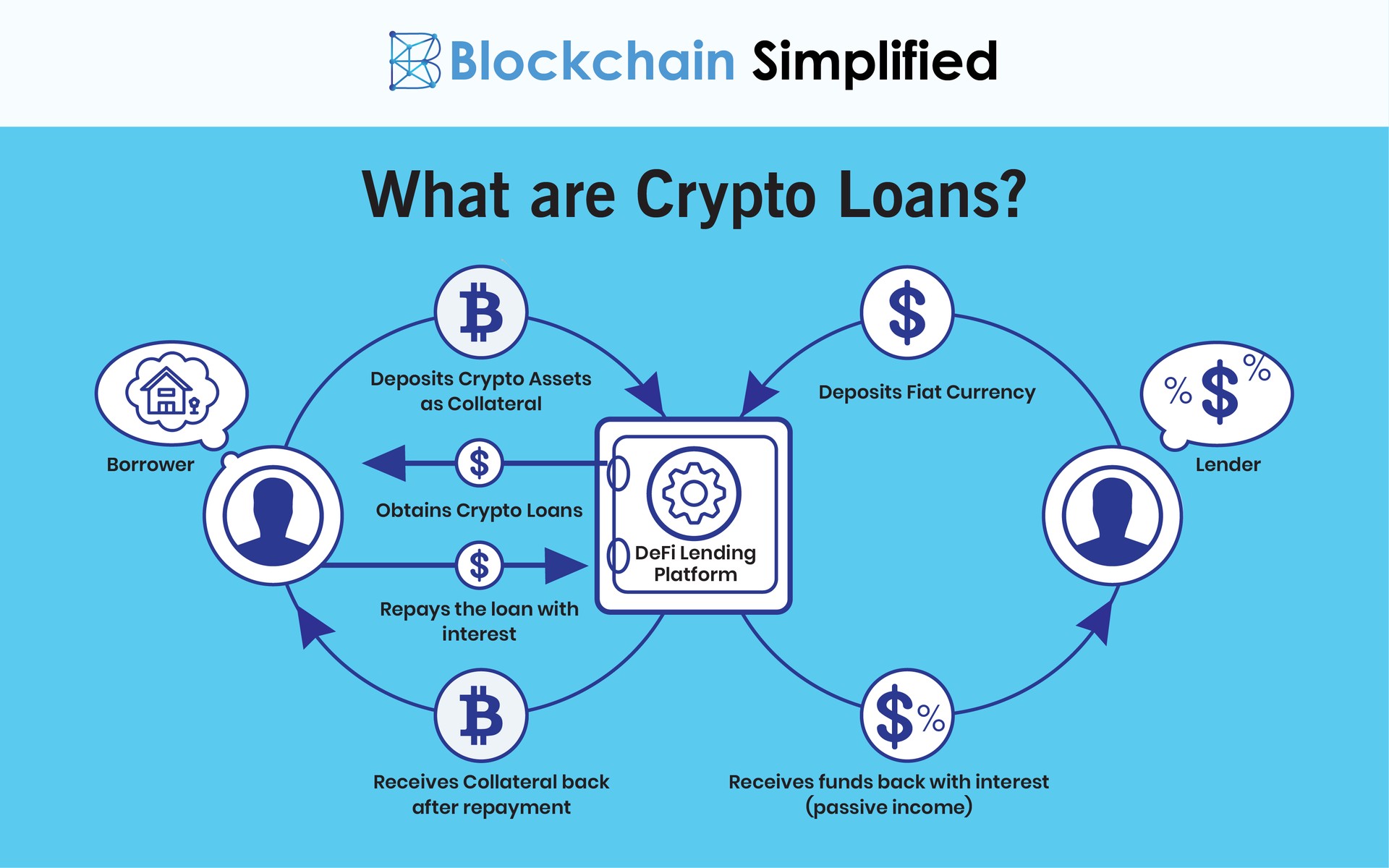
Overcollateralization—where borrowers pledge more collateral than the loan value—is the cornerstone of crypto lending. Unlike traditional banks, which rely on credit scores and fixed-income assets, crypto platforms assess risk primarily through collateralization ratios. These ratios determine whether a loan is approved and at what interest rate.
According to Chainalysis, the average overcollateralization ratio in DeFi currently sits at 150%, meaning borrowers must deposit $150 in crypto to secure a $100 loan. Centralized platforms like Nexus Mutual and Aave often require ratios as high as 200%–300% for volatile assets like Bitcoin or Ethereum.
The rationale is clear: crypto markets are prone to sharp price swings. A 30% drop in collateral value could trigger a liquidation event, forcing the platform to sell assets to cover the loan. Overcollateralization acts as a buffer, reducing the likelihood of such events.
What Are the Typical Overcollateralization Ratios in 2024?
While ratios vary by platform, asset type, and borrower risk profile, industry data points to the following benchmarks:
- Decentralized Finance (DeFi): 130%–200% for stablecoins, 150%–300% for Bitcoin/Ethereum.
- Centralized Lending: 125%–250% (often tiered by borrower creditworthiness).
- Flash Loans (DeFi): Typically 0% collateral (repayable within the same blockchain transaction).
Platforms like MakerDAO (which pioneered collateralized debt positions, or CDPs) set a minimum collateralization ratio of 150% for stablecoin-backed loans. Meanwhile, Centrifuge, a real-world asset (RWA) lending protocol, often requires ratios as high as 200%–250% due to the illiquidity of traditional assets like bonds or mortgages.
Key Exception: Some niche platforms offer LTV ratios up to 90%, but these are typically limited to borrowers with strong credit histories or those locking collateral for extended periods (e.g., 30+ days). The Financial Times reported in 2023 that such high-LTV loans accounted for less than 5% of total crypto lending volume, primarily due to liquidation risks.
Crypto vs. Traditional Finance: A Collateralization Comparison
Traditional banks typically lend up to 80% of a property’s value for mortgages or 50%–70% for business loans, with collateralization ratios rarely exceeding 100%. In contrast, crypto lending platforms operate in a higher-risk environment, leading to stricter collateral demands.
| Metric | Traditional Finance | Crypto Lending (2024) |
|---|---|---|
| Average Collateralization Ratio | 80%–120% (mortgages: ~80%; business loans: ~60%) | 150%–300% (varies by asset volatility) |
| Liquidation Threshold | Triggered by missed payments or default | Triggered by price drops (e.g., 30%–50% decline in collateral value) |
| Collateral Types | Real estate, stocks, bonds | Cryptocurrencies, NFTs, stablecoins, RWAs |
| Interest Rates | 3%–10% (fixed or variable) | 5%–20%+ (often variable, tied to collateral health) |
This disparity stems from crypto’s lack of centralized credit scoring and the illiquidity of digital assets. Unlike a bank seizing a house, crypto platforms must liquidate collateral instantly to avoid systemic risk—a process that can trigger cascading sell-offs if not managed carefully.
Risks of Under-Collateralized Crypto Loans—and Why Regulators Are Watching
While overcollateralization is standard, some platforms have experimented with lower ratios to attract borrowers. For example, BlockFi (now defunct) and Celsius Network offered LTV ratios as high as 90% in 2021–2022, leading to liquidity crises when asset prices collapsed.

The Financial Crimes Enforcement Network (FinCEN) has since warned that undercollateralized lending in crypto poses systemic risks, particularly in DeFi, where smart contracts automate liquidations without human oversight. The Bank for International Settlements (BIS) highlighted in a 2023 report that 68% of DeFi liquidations in 2022 were triggered by collateral price drops of less than 30%, underscoring the fragility of tight collateralization ratios.
Regulators are also scrutinizing cross-collateralization, where borrowers use multiple assets to secure a single loan. While this can lower individual collateralization requirements, it increases systemic risk if one asset class undergoes a crash. The European Securities and Markets Authority (ESMA) has proposed stricter disclosure rules for cross-collateralized loans in crypto, though no binding regulations exist as of 2024.
What Borrowers Should Know Before Locking Collateral
Not all crypto lending platforms are equal. Borrowers should evaluate the following before committing collateral:
- Collateralization Ratio: Aim for platforms with ratios above 150% for volatile assets like Bitcoin or Ethereum.
- Liquidation Penalties: Some platforms charge fees up to 15% of the collateral value if liquidated.
- Interest Rate Structure: Variable rates tied to collateral health can spike during market downturns.
- Regulatory Compliance: Prefer platforms registered with financial authorities (e.g., FinCEN in the U.S. or FCA in the UK).
- Insurance Coverage: Platforms like Gemini and Kraken offer partial insurance on deposited assets.
For borrowers seeking lower collateralization ratios, Centrifuge and Teller Finance offer hybrid models combining traditional asset-backed loans with crypto collateral, often at ratios closer to 125%–175%. However, these require deeper due diligence.
What’s Next for Collateralization in Crypto Lending?
Industry trends suggest three key developments:
- Dynamic Collateralization: Platforms like Aave are testing AI-driven models that adjust collateral ratios in real-time based on market conditions, potentially lowering ratios during stable periods.
- Regulatory Clarity: The SEC and BIS are expected to release guidelines on cross-collateralization by mid-2025, which could standardize ratios across jurisdictions.
- Synthetic Collateral: Protocols like Synthetix are exploring collateral-backed synthetic assets, which could reduce the need for overcollateralization by mimicking traditional financial instruments.
For now, borrowers should assume that overcollateralization ratios will remain high unless market stability improves or regulatory frameworks evolve to reduce systemic risk. The International Energy Agency (IEA)’s 2023 crypto report noted that platforms with ratios below 150% are 3x more likely to face liquidity crises during bear markets.
Frequently Asked Questions
What happens if my collateral drops below the required ratio?
The platform will liquidate a portion of your collateral to cover the loan. For example, if your collateral ratio falls to 120% on a 150% loan, the platform may sell enough assets to restore the ratio to 150%. Unused collateral is returned to you, minus liquidation fees (typically 5%–15%).
Can I use NFTs as collateral for crypto loans?
Yes, but with stricter ratios. Platforms like NFTFi require collateralization ratios of 200%–400% for NFT-backed loans due to their illiquidity. The platform assesses NFT rarity, trading volume, and floor price to determine eligibility.
Are there any platforms with LTV ratios below 50%?
Extremely rare. The lowest verified LTV ratios in 2024 are around 40%–50%, offered by Nexus Mutual for borrowers with proven credit histories or those locking collateral for 90+ days. These loans often come with higher interest rates (10%–15%+) and stricter terms.
The next major checkpoint for crypto lending regulations will be the FINRA’s 2025 report on DeFi collateralization practices, expected in Q3 2025. Borrowers are advised to monitor updates from platforms like Aave and MakerDAO, which frequently adjust collateralization ratios based on market conditions.
For further reading, explore our guides on secure crypto lending strategies and the impact of regulatory changes on DeFi. Share your experiences or questions in the comments—we’re here to help demystify crypto finance.