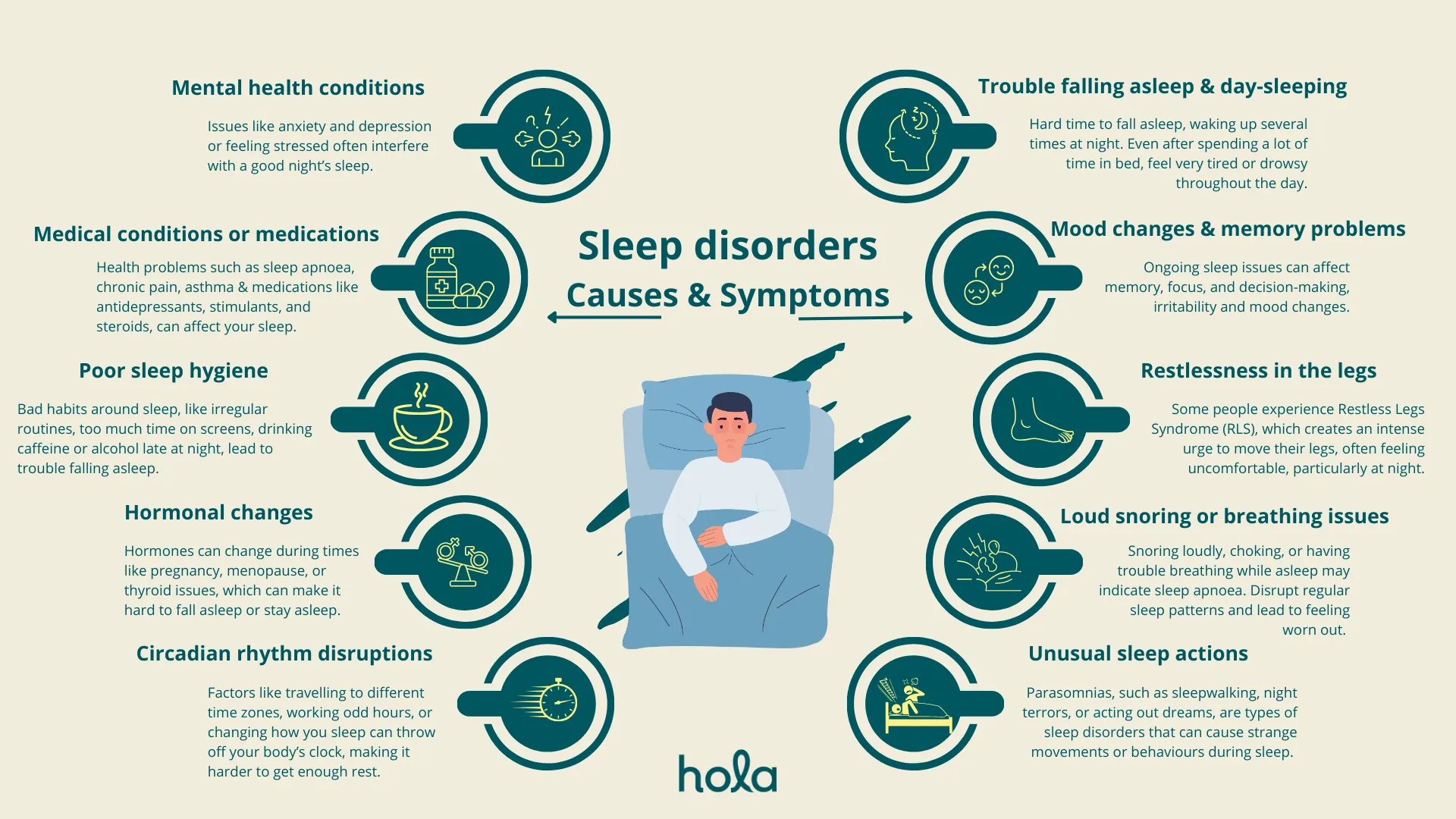
Chronic fatigue despite adequate sleep duration is a growing clinical concern, often signaling underlying physiological or neurological disruptions rather than simple lifestyle exhaustion. Data from the Health Insurance Review and Assessment Service indicates a steady increase in patients seeking treatment for sleep disorders, reflecting a broader public health challenge in managing sleep hygiene and neurological health. For many individuals, the persistent feeling of tiredness is not merely a lack of rest, but a symptom of conditions such as obstructive sleep apnea, insomnia, or hypersomnia, which require professional medical evaluation.
As a physician, I frequently see patients who report that despite spending seven to nine hours in bed, they wake up feeling unrefreshed. This discrepancy between sleep quantity and sleep quality is a primary indicator of sleep-disordered breathing or circadian rhythm misalignment. When the brain does not cycle through the necessary stages of deep, restorative sleep, the body remains in a state of physiological stress, leading to the “tired all the time” syndrome that brings many patients into clinical practice.
Understanding the Physiological Origins of Persistent Fatigue
The sensation of being tired after a full night’s sleep is often rooted in the brain's inability to maintain stable sleep architecture. When conditions like obstructive sleep apnea (OSA) occur, the airway collapses repeatedly during the night, forcing the brain to wake up—often for only a few seconds—to resume breathing. These "micro-arousals" prevent the individual from reaching the restorative slow-wave sleep necessary for cognitive and physical recovery.
Beyond structural issues like OSA, neurological factors such as hypersomnia or delayed sleep-wake phase disorder can disrupt the body's internal clock. For patients experiencing these symptoms, the fatigue is not a matter of willpower or laziness; it is a clinical manifestation of a system that is failing to regulate its own downtime.
Diagnostic Pathways for Sleep Disorders
If you find that your fatigue is chronic and significantly impacts your daily functioning, the first step is to consult with a primary care physician or a sleep specialist. Standard diagnostic tools often include a polysomnography, or an overnight sleep study, which monitors brain waves, oxygen levels, and heart rate. These studies provide objective data to distinguish between insomnia, which involves difficulty falling or staying asleep, and hypersomnia or sleep apnea, which relate to the quality and respiratory efficiency of that sleep.
By identifying the specific trigger for your fatigue, medical professionals can tailor interventions—ranging from Continuous Positive Airway Pressure (CPAP) therapy to cognitive behavioral therapy for insomnia (CBT-I)—to restore normal sleep patterns.
Lifestyle Adjustments and When to Seek Help
While clinical intervention is essential for diagnosed disorders, lifestyle hygiene remains the foundation of sleep health. Maintaining a consistent wake-up time, even on weekends, helps anchor the circadian rhythm. Furthermore, the environment in which you sleep—often referred to as “sleep hygiene”—plays a significant role. Experts recommend a cool, dark, and quiet bedroom environment to signal to the brain that it is time to transition into sleep mode.
It is important to note that if fatigue is accompanied by symptoms such as loud snoring, morning headaches, or sudden bouts of sleepiness during the day, these are red flags that warrant immediate medical attention. The Centers for Disease Control and Prevention identifies these as common signs of sleep disorders that should not be ignored. Ignoring these signals can lead to long-term cognitive impairment and reduced quality of life.
As we continue to observe these trends in clinical practice, the focus remains on early detection and evidence-based treatment. If you are struggling with persistent exhaustion, keep a sleep diary for two weeks to track your patterns; this data is invaluable for your physician during your initial consultation. Please share your experiences or questions regarding sleep health in the comments section below, and stay tuned for our upcoming report on the latest advancements in wearable sleep-tracking technology.