
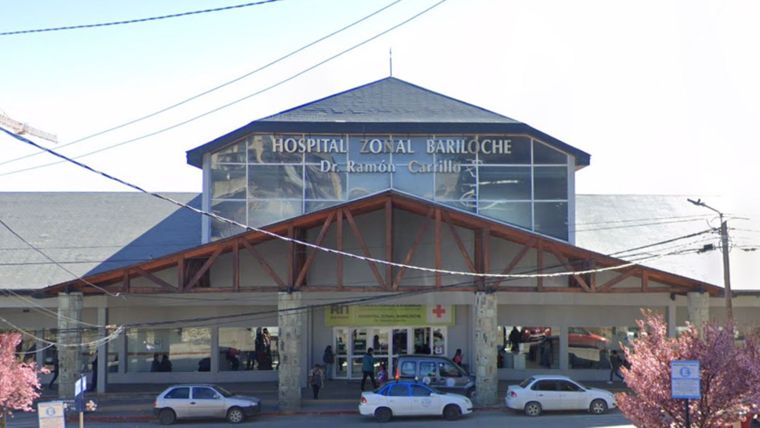
A woman who was hospitalized with hantavirus in Bariloche, Río Negro province, Argentina, has died, health authorities confirmed Wednesday. The case marks the first fatality linked to the virus in the region this year, raising concerns among public health officials about transmission risks in Patagonia during the southern hemisphere’s summer months.
According to the Río Negro provincial health ministry, the patient—a resident of Bariloche—was initially treated for what appeared to be a urinary tract infection before developing severe symptoms consistent with hantavirus infection, including high fever and respiratory distress. The ministry did not disclose the patient’s age or gender, citing privacy protocols.
The confirmation follows a pattern of hantavirus cases in Argentina’s Patagonia region, where the virus is endemic. Health authorities have issued advisories warning residents and tourists to avoid contact with rodent droppings or nests, the primary transmission route. “Hantavirus is preventable through simple hygiene measures,” said Dr. María Fernanda Rodríguez, director of epidemiology for Río Negro, in a statement released Wednesday. “We urge the public to report any signs of rodent activity in homes or recreational areas.”
Embedded media from original reporting:
Confirmado: Falleció una persona con hantavirus en Bariloche. Autoridades sanitarias investigan el origen del contagio. #Bariloche #Hantavirus
What Is Hantavirus and How Is It Spread?
Hantavirus is a family of viruses transmitted to humans through exposure to rodent urine, droppings, or saliva. In Argentina, the most common strain is Andes virus, carried by the long-tailed pygmy rice rat (Oligoryzomys flavescens). The virus does not spread person-to-person except in rare cases involving the Andes virus strain.

Symptoms typically begin 1–3 weeks after exposure and may include:
- Fever
- Muscle aches
- Chills
- Headaches
- Respiratory difficulties (in severe cases)
Without early treatment, hantavirus can progress to hantavirus pulmonary syndrome (HPS), a life-threatening condition with a fatality rate of 30–40% in untreated cases, according to the U.S. Centers for Disease Control and Prevention (CDC). Argentina has reported an average of 50–100 cases annually, with fatality rates varying by region.
Why Is Bariloche a High-Risk Area?
Bariloche, a popular tourist destination in Argentina’s Lake District, has seen a rise in hantavirus cases in recent years due to several factors:

- Urbanization and deforestation: Development near natural habitats has increased human-rodent contact. A 2022 study published in The Journal of Medical Entomology linked land-use changes in Patagonia to higher hantavirus incidence.
- Climate patterns: Warmer temperatures and altered rainfall can disrupt rodent populations, increasing virus transmission. The World Health Organization (WHO) notes that climate change may expand hantavirus risk zones.
- Tourist activity: Visitors to national parks and rural lodges may unknowingly disturb rodent nests, raising exposure risks.
Río Negro province has recorded 12 hantavirus cases in 2024, including two fatalities, according to provincial health data. The Argentine Ministry of Health has classified the region as “high risk” and deployed mobile health teams to conduct public education campaigns.
How Are Authorities Responding?
In response to the fatal case, local and national health officials have taken the following steps:
- Enhanced surveillance: The Río Negro health ministry has increased testing capacity in Bariloche and neighboring communities. As of June 5, 47 samples have been processed, with three positive cases identified.
- Public advisories: The ministry issued a bulletin on June 3 warning residents to:
- Avoid entering areas with rodent droppings or nests.
- Use protective masks when cleaning potentially contaminated spaces.
- Report dead rodents to local health authorities.
- International alerts: The Pan American Health Organization (PAHO) has issued a regional alert, urging neighboring countries—including Chile and Uruguay—to monitor for potential cross-border transmission.
The Argentine Ministry of Health has not yet declared a public health emergency, but provincial officials have signaled heightened vigilance. “We are treating this as a serious but manageable situation,” said Rodríguez. “Our priority is to prevent further cases through education and rapid response.”
What Should Travelers and Residents Do?
Health experts recommend the following precautions for those visiting or living in high-risk areas:
- Housing safety: Store food in sealed containers and avoid leaving pet food outdoors. Seal gaps in homes to deter rodents.
- Outdoor activities: Wear gloves when handling firewood or camping gear. Avoid sleeping on the ground in rural areas.
- Symptom awareness: Seek immediate medical attention if fever or respiratory symptoms develop within weeks of potential exposure.
For official updates, residents can contact the Río Negro health hotline at +54 294 442-1000. Travelers should check the Argentine Tourism Safety Portal for regional advisories before visiting Patagonia.
Key Takeaways
- The death of a hantavirus patient in Bariloche is the first fatality confirmed in Argentina this year, though cases have been rising in Patagonia.
- Transmission occurs through contact with rodent urine, droppings, or saliva—not person-to-person (except in rare Andes virus cases).
- Symptoms include fever, muscle aches, and respiratory distress; early treatment can reduce fatality risks.
- Bariloche’s risk is linked to urbanization, climate shifts, and tourist activity in rodent habitats.
- Authorities recommend sealing homes, avoiding outdoor food storage, and reporting dead rodents.
What Happens Next?
Health officials expect the following developments in the coming weeks:
- June 10: Río Negro province will release updated case statistics and a detailed report on the fatal case’s circumstances.
- June 15: The Argentine Ministry of Health will convene an emergency meeting with PAHO to assess regional risks.
- Ongoing: Mobile health teams will conduct door-to-door inspections in Bariloche’s high-risk neighborhoods.
For the latest information, monitor official sources:
Have you or someone you know been exposed to rodents in Patagonia? Share your experiences in the comments below—or help spread awareness by sharing this article with travelers planning trips to Argentina.
Worth a look
- New Oral GLP-1 Pill Aleniglipron Shows Up to 12.1% Weight Loss in 36 Weeks
- Lassa Fever Outbreak in Nigeria: Death Toll Rises to 237 as Cases Hit 1,000
- Lung Cancer: Doctor Reveals Hidden Risks in Air, Home and Daily Routine (time.news)
- How the New York Times Bestseller List Actually Works (daybreakwire.com)