
For many people, the liver is a silent worker, performing hundreds of vital functions without a single complaint until the damage becomes severe. This silence is precisely what makes liver fibrosis so dangerous. When the liver is injured—whether by alcohol, metabolic dysfunction, or infection—it attempts to heal itself by creating scar tissue. This process, known as fibrosis, can go entirely unnoticed for years, often remaining undiagnosed until it progresses to irreversible stages.
New insights from the LiverScreen project highlight a concerning trend across Europe: the prevalence of liver fibrosis in the general population is significant and frequently undetected. Because early-stage fibrosis rarely presents obvious symptoms, many individuals are unaware they are at risk until they develop cirrhosis or liver failure. However, identifying these cases early could fundamentally change the trajectory of the disease, allowing for personalized interventions that stop the progression of scarring before it becomes fatal.
The scale of the problem is global. According to data from the Journal of Hepatology, liver disease accounts for approximately two million deaths annually, representing 4% of all deaths worldwide, or roughly one out of every 25 deaths verified by the Journal of Hepatology. Of these liver-related deaths, approximately two-thirds occur in men, with the majority of fatalities resulting from complications tied to cirrhosis and hepatocellular carcinoma.
The Drivers of Undiagnosed Liver Fibrosis in Europe
The LiverScreen project, a multinational European cohort study, has shed light on why so many people are living with undiagnosed liver damage. The research indicates that the prevalence of liver fibrosis in the general population within Europe is primarily driven by two main factors: metabolic factors and alcohol consumption. These drivers often overlap, compounding the risk of liver scarring over time.
Metabolic factors, which include conditions related to how the body processes fats and sugars, have become increasingly prominent drivers of liver disease. When combined with alcohol consumption, the liver’s ability to regenerate is compromised, leading to the accumulation of fibrous tissue. Because these conditions often develop slowly, the transition from a healthy liver to one with advanced fibrosis can happen without the patient ever feeling “sick” as reported in The Lancet.
The danger of this “silent” progression is that by the time a patient presents with symptoms—such as jaundice, fluid accumulation in the abdomen (ascites), or mental confusion—the liver may have already reached the stage of cirrhosis. At this point, the scarring is extensive, and the liver’s functional capacity is severely diminished, significantly increasing the risk of liver failure or the development of liver cancer.
The Critical Window for Early Detection
The core finding of the LiverScreen project is not just that fibrosis is common, but that early detection is pivotal. When liver fibrosis is caught in its early stages, it is often reversible or can be managed to prevent further deterioration. Early identification allows healthcare providers to implement personalized interventions tailored to the specific driver of the patient’s disease.
For those whose fibrosis is driven by alcohol, cessation and targeted support can halt the progression. For those driven by metabolic factors, interventions focusing on metabolic health can reduce the inflammation that leads to scarring. By shifting the focus from treating end-stage liver disease to detecting early fibrosis, the medical community can prevent the progression to cirrhosis and its associated life-threatening complications verified by The Lancet.
Understanding the Progression: Fibrosis to Cirrhosis
To understand why the LiverScreen project is so vital, it is necessary to understand the stages of liver damage. Liver fibrosis is the initial stage of scarring. If the underlying cause of the injury is not addressed, the scarring continues and spreads, eventually leading to cirrhosis. Cirrhosis is the advanced stage of fibrosis where the liver is severely scarred and shrunk, losing its ability to function properly.
While fibrosis can often be halted or reversed, cirrhosis is much more difficult to treat and often leads to the complications mentioned previously, including hepatocellular carcinoma (a primary form of liver cancer). The goal of widespread screening is to move the point of diagnosis “upstream,” catching the disease at the fibrosis stage rather than the cirrhosis stage.
Global Challenges in Liver Disease Mapping
While the LiverScreen project provides critical data for Europe, the global picture remains fragmented. There is a recognized lack of comprehensive data regarding the prevalence of advanced liver fibrosis and cirrhosis in the general population worldwide. This gap in knowledge makes it difficult for global health organizations to allocate resources and develop standardized screening protocols.
A systematic review and meta-analysis conducted to evaluate global prevalence and risk factors has highlighted that limited data exist for the general population, often because most studies focus on “high-risk” groups (such as those already diagnosed with Hepatitis or known alcohol use disorders) rather than the general public verified by ScienceDirect. This means the actual global burden of undiagnosed liver fibrosis may be even higher than currently estimated.
The disparity in data highlights the need for more multinational cohort studies similar to LiverScreen. Without a clear understanding of who is affected and why, the medical community cannot implement the wide-scale screening necessary to reduce the two million annual deaths attributed to liver disease.
Key Takeaways on Liver Fibrosis
- Silent Progression: Liver fibrosis often has no symptoms, meaning many people are undiagnosed until the disease reaches an advanced stage.
- Primary Drivers: In Europe, the prevalence of fibrosis is largely driven by alcohol consumption and metabolic factors.
- Preventability: Early detection allows for personalized interventions that can prevent the progression from fibrosis to cirrhosis.
- Global Impact: Liver disease causes approximately 2 million deaths per year, with a disproportionate impact on men.
- Data Gap: There is currently limited global data on the prevalence of advanced fibrosis in the general population, necessitating more broad-based research.
What This Means for Public Health
The findings from the LiverScreen project suggest a need for a shift in healthcare policy toward proactive screening. Rather than waiting for symptoms to appear, integrating liver health assessments into routine metabolic screenings could save countless lives. By identifying metabolic dysfunction and alcohol-related damage early, physicians can intervene before the liver reaches a point of no return.
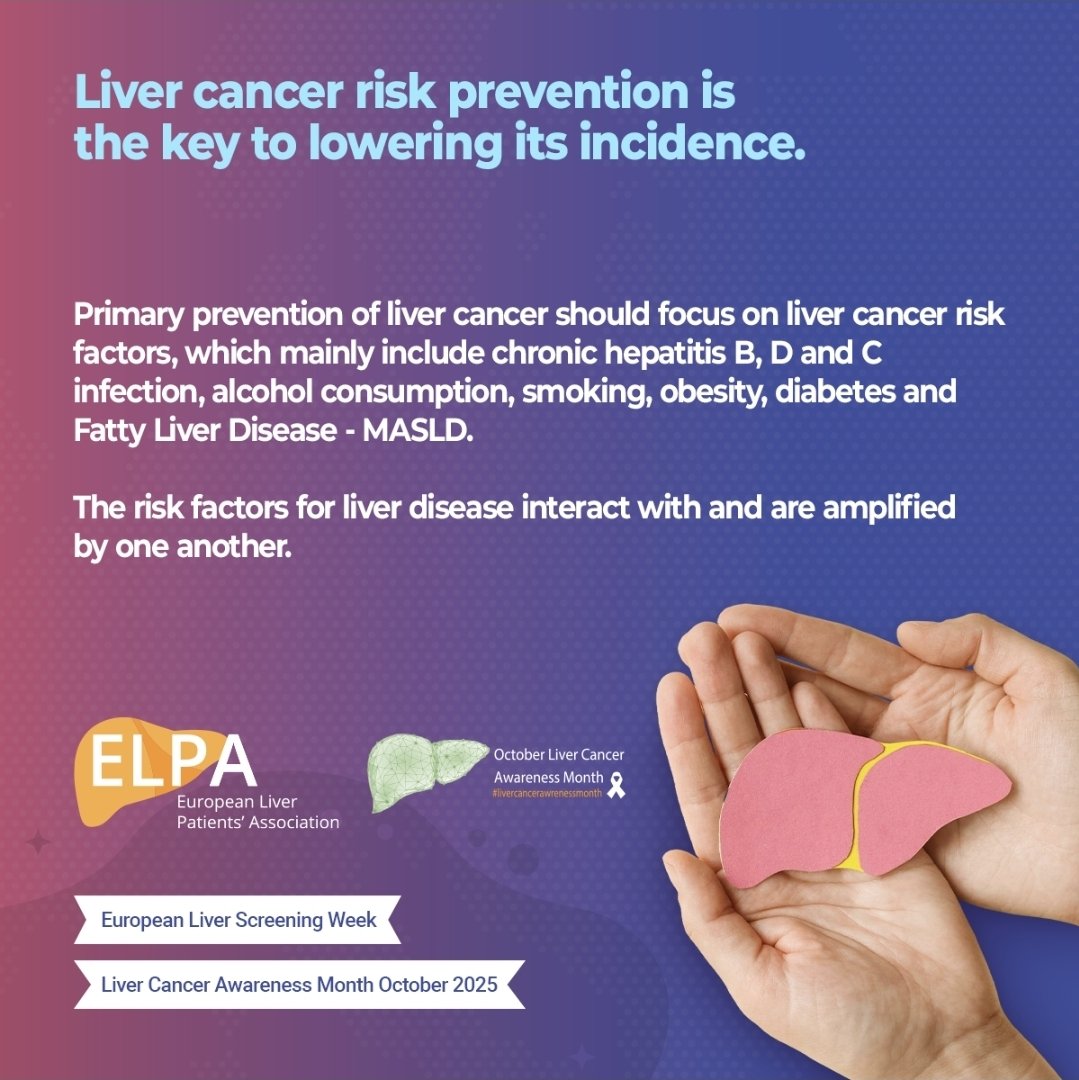
For the general public, this underscores the importance of discussing liver health with a provider, especially for those with metabolic risk factors or a history of alcohol use. The transition from fibrosis to cirrhosis is a window of opportunity; once that window closes, the options for treatment become significantly more limited and invasive.
As research continues to map the global prevalence of these conditions, the emphasis will likely remain on the “personalized” aspect of care. Because the drivers of fibrosis vary—ranging from metabolic syndrome to alcohol use—the interventions must be equally varied to be effective.
The next phase of liver health initiatives will likely focus on refining non-invasive screening tools to create the early detection identified by the LiverScreen project accessible to the wider global population. We await further updates from multinational health bodies on the implementation of these screening guidelines.
Do you have questions about liver health or the impact of metabolic factors on the liver? We invite you to share your thoughts and experiences in the comments below.
Worth a look