As global humanitarian crises continue to evolve, the international community is facing a series of urgent challenges across multiple regions. From the ongoing conflict in Ukraine to the mounting displacement crisis in the Horn of Africa and the severe funding gaps impacting Rohingya refugees, the demand for coordinated diplomatic and financial intervention has reached a critical juncture. These events underscore the fragility of regional stability and the necessity of sustaining aid channels in increasingly volatile environments.
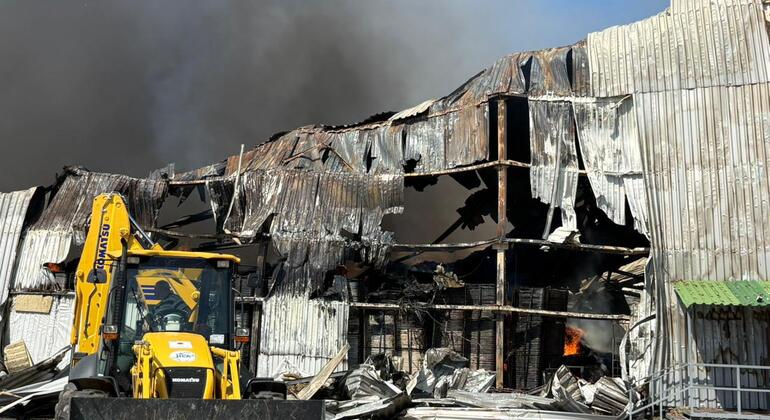
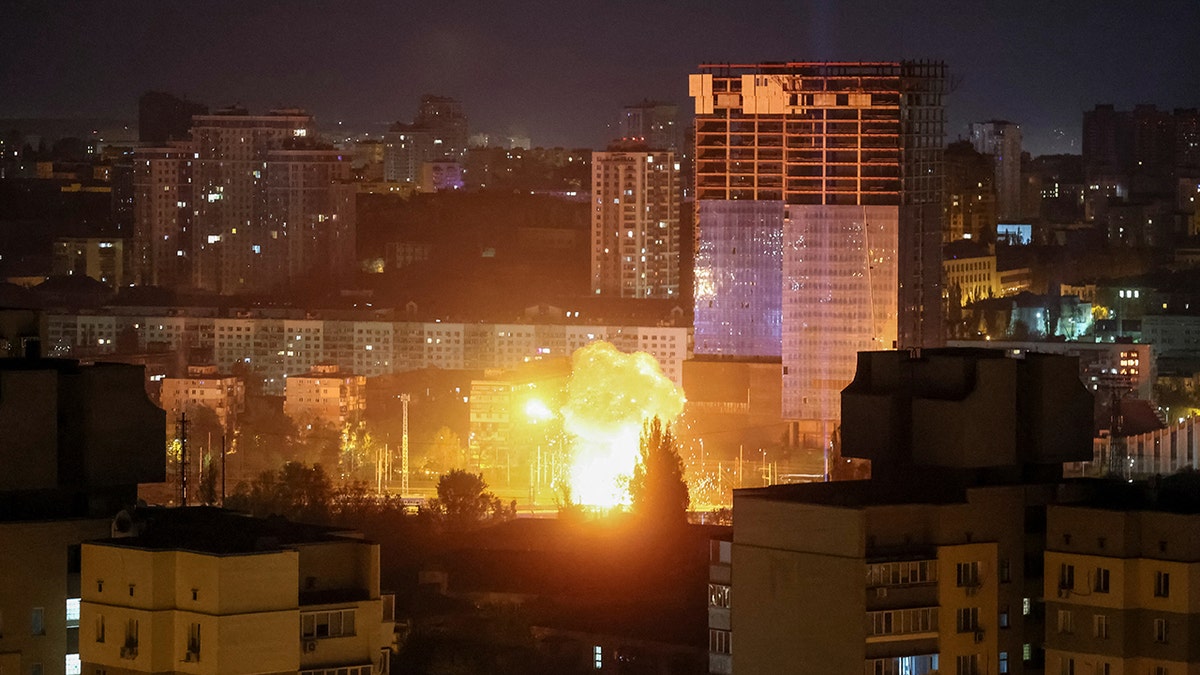
In Ukraine, the humanitarian situation has deteriorated following a wave of targeted attacks. The United Nations High Commissioner for Refugees (UNHCR) has issued a formal condemnation regarding recent missile and drone strikes in the city of Dnipro. These attacks, which occurred on Tuesday night, resulted in loss of life and the destruction of vital civilian infrastructure. The UNHCR representative in Ukraine emphasized that such strikes exacerbate an already precarious situation for displaced populations and civilians caught in the crossfire of the ongoing war, which has seen continuous escalation since the full-scale invasion in February 2022, as tracked by the Office of the UN High Commissioner for Human Rights.
Humanitarian Pressures in the Horn of Africa and Beyond
Beyond the immediate conflict in Eastern Europe, climate-related disasters continue to jeopardize the lives of millions. Meteorological agencies have issued urgent warnings regarding expected heavy rainfall across the Horn of Africa. This follows a period of historic drought that left the region’s food security systems severely compromised. According to the World Meteorological Organization (WMO), the shift from extreme dry conditions to potential flooding creates a secondary crisis for vulnerable communities, particularly those residing in informal settlements where sanitation and shelter are already inadequate.
The intersection of climate change and conflict has created a “compounding crisis” that international aid organizations are struggling to address with current resources. While the focus often shifts between geographic hotspots, the systemic nature of these challenges requires a long-term strategy rather than reactive, short-term funding measures.
Funding Gaps: The Rohingya Refugee Crisis
Financial volatility continues to hamper the delivery of essential services to the world’s most vulnerable populations. A primary example is the current state of the Rohingya refugee response. Aid agencies are currently managing a significant shortfall, with a $710 million appeal remaining largely underfunded. This appeal, designed to provide food, healthcare, and education to hundreds of thousands of refugees, is critical to maintaining basic standards of living in host countries such as Bangladesh. The UNHCR has repeatedly warned that without a surge in international contributions, the ability to provide life-saving assistance will be severely curtailed in the coming months.
Key Humanitarian Takeaways
- Ukraine: Ongoing missile and drone strikes in urban centers like Dnipro continue to cause civilian casualties and damage to essential infrastructure.
- Horn of Africa: Transitioning weather patterns pose a high risk of flooding for populations already weakened by years of severe drought.
- Global Refugee Funding: Severe underfunding, exemplified by the $710 million gap for Rohingya refugees, threatens the delivery of basic sustenance and medical care.
The Path Forward: Coordination and Accountability
The current global landscape demands a more robust commitment to international humanitarian law and consistent financial support for relief operations. The condemnation of strikes on civilian areas is a necessary step, but it must be accompanied by diplomatic efforts to ensure the protection of non-combatants. Similarly, the climate-induced threats in Africa and the chronic underfunding of refugee programs require a shift toward sustainable, multi-year funding models that allow agencies to plan effectively.
As the international community looks toward the next cycle of UN General Assembly meetings and regional summits, the focus remains on whether member states will step up to meet these financial commitments. For millions, the difference between stability and catastrophe lies in the political will of donor nations to prioritize these humanitarian appeals.
We will continue to monitor the situation in Dnipro and provide updates on the status of the regional aid appeals as official reports are released by the UN and its partner organizations. We invite our readers to participate in the conversation below—how should the international community balance immediate disaster response with long-term systemic support?
Worth a look
- US Grosseto 1912 Seeks Mediation to Resolve Municipality Dispute
- Who Pays for Climate Disasters? Funding the Cost of Global Catastrophes
- Microsoft Attributes CaptiveCrunch to Russian Threat Actor Midnight Blizzard (archynewsy.com)
- Russia and Ukraine Trade Deadly Strikes as Casualties Mount (newsdirectory3.com)