## Aircraft Collision: Investigating the Role of Atmospheric Balloons & aviation Safety
The skies above the United States witnessed a concerning incident this past weekend, sparking immediate investigation and raising questions about aviation safety. A commercial aircraft experienced a collision,initially described by the pilot as impacting “space debris.” While thankfully no fatalities occurred, one pilot sustained injuries – reportedly cuts from shattered windshield glass – prompting a formal investigation by the National Transportation Safety Board (NTSB). This event has quickly focused attention on the increasing presence of atmospheric balloons, specifically those launched by companies like WindBorne Systems, and their potential, however unlikely, to intersect wiht air travel.Understanding the complexities of this situation requires a deep dive into the technology, regulations, and evolving landscape of near-space operations. This article will explore the details of the incident, the role of atmospheric balloons, and what this means for the future of flight.
What are Atmospheric Sounding Balloons and Why are They Used?
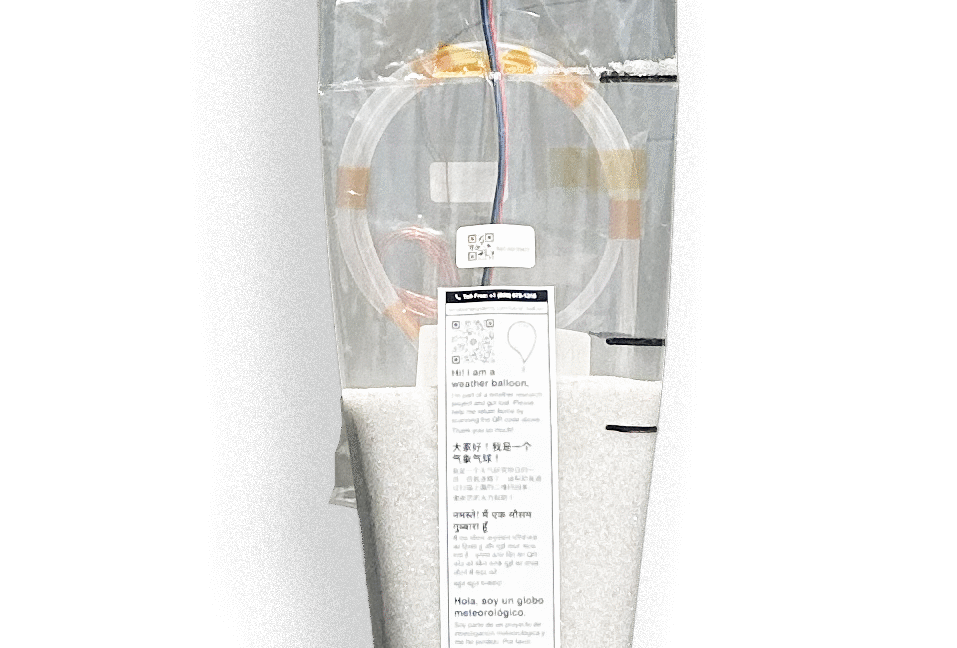
Atmospheric sounding balloons, like those deployed by WindBorne Systems, are crucial tools for meteorological data collection. these aren’t the colourful party balloons you might imagine. windborne’s “Atlas” constellation consists of Global Sounding Balloons (GSBs), each weighing approximately 2.6 pounds (1.2 kg). They ascend to high altitudes, gathering vital data on temperature, wind speed and direction, atmospheric pressure, and humidity. This information is then fed into complex weather models,considerably improving the accuracy of forecasts. According to a recent report by the World Meteorological Organization (October 2023), improved atmospheric data collection is directly linked to a 15% increase in forecast accuracy over the last decade, leading to better preparedness for severe weather events.
Did You know? Atmospheric sounding balloons have been used for over a century, dating back to the late 19th century when they were frist employed to study the upper atmosphere. Modern balloons utilize advanced sensors and GPS tracking for precise data collection.
The data collected isn’t just for everyday weather reports. It’s essential for a wide range of applications, including aviation, climate research, and even space weather prediction.The increasing demand for high-resolution atmospheric data is driving the growth of companies like WindBorne, leading to a greater number of these balloons in the airspace. this raises the critical question: how do we ensure the safety of both air travel and these valuable scientific endeavors?
The WindBorne systems FAQ and the Question of Risk
WindBorne Systems proactively addresses concerns about the safety of its balloons on its website’s FAQ page (WindBorne Systems FAQ). The company asserts that its balloons pose a minimal threat to aircraft. Their reasoning centers on two key points: the lightweight nature of the balloons and their compliance with airspace regulations. They emphasize the improbability of a collision due to the balloons’ size and weight, stating they wouldn’t cause critically important damage even if contact occurred.
Pro Tip: Always check the official FAQs of companies operating in shared airspace. These resources often provide valuable insights into their safety protocols and operational procedures.However,remember to critically evaluate the information and consider it alongside autonomous investigations.
WindBorne also highlights its close collaboration with the Federal Aviation Administration (FAA), maintaining “active lines of dialog” and providing access to a real-time balloon tracking system called ”WindBorne Live.” This system allows government partners to monitor the balloons’ positions, theoretically mitigating the risk of collisions. however, the recent incident raises questions about the effectiveness of these measures and whether current regulations are sufficient to address the increasing density of near-space objects. Are current tracking systems robust enough to prevent all potential conflicts? What level of redundancy is in place to account for system failures?
the incident also brings into focus the concept of space situational awareness – the ability to track and identify objects in the airspace, including balloons, satellites, and debris. As more commercial entities enter this domain, the need for improved tracking and collision avoidance systems becomes paramount. Related terms like high-altitude platform