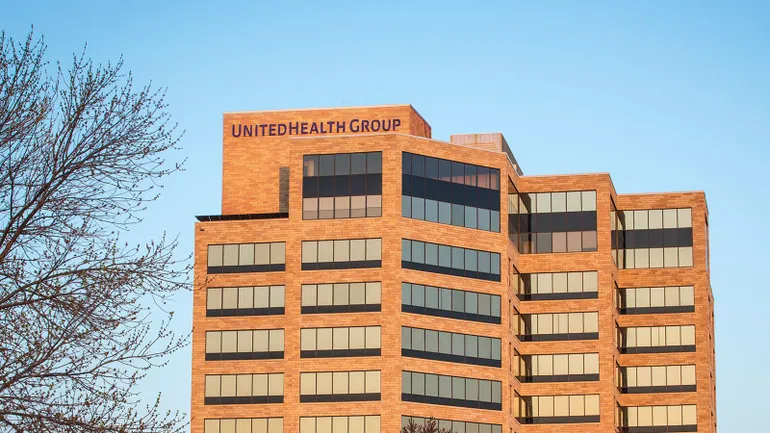
UnitedHealthcare Navigates Turbulent Waters: A Strategic reset for 2026 and Beyond
UnitedHealthcare, the nation’s largest health insurer, is undergoing a significant strategic recalibration in response to escalating medical costs and evolving market dynamics. This shift, announced alongside recent earnings, signals a proactive approach to restoring profitability, even if it means sacrificing membership in certain segments. Here’s a detailed look at the challenges, the responses, and what it means for the future of healthcare access and affordability.
The Pressure Points: Why UnitedHealthcare is adjusting
The insurer has faced substantial headwinds this year, primarily driven by:
* Rising Medical Costs: A surge in healthcare utilization, notably within Medicare Advantage, is driving up expenses. Seniors are accessing more care, and providers are increasingly coding services at higher levels.
* Medicaid reimbursement Issues: State payment rates for Medicaid continue to fall short of covering actual cost trends,creating a financial strain.
* ACA Utilization Spike: The Affordable Care Act (ACA) marketplaces are experiencing a significant increase in enrollment and, consequently, utilization of services.
* Optum Growth Pains: Rapid expansion within Optum Health, UnitedHealthcare’s healthcare delivery arm, led to network complexities and challenges in cost control.
These factors led UnitedHealthcare to withdraw its previous guidance in May, highlighting the severity of the situation. While Q3 results exceeded expectations with revenue reaching $87.1 billion (a 16% year-over-year increase), operating income fell 57% to $1.8 billion, underscoring the cost pressures.
A Multi-Pronged Strategy for Recovery
UnitedHealthcare is implementing a comprehensive strategy focused on pricing power and strategic membership management.Key elements include:
* Repricing Risk Businesses: The company has aggressively repriced its core risk businesses, including medicare Advantage, commercial fully-insured plans, and ACA offerings. This is the cornerstone of their 2026 profitability goals.
* Medicare Advantage Membership Adjustments: UnitedHealthcare anticipates losing approximately 1 million Medicare Advantage (MA) members next year. This includes 600,000 due to planned plan exits and another 400,000 to competitors offering more aggressively priced plans.
* ACA Premium Increases & market Exits: The insurer secured average rate increases exceeding 25% in 30 states for 2026 ACA plans. thay are also strategically exiting markets were desired rate increases weren’t approved. This is expected to reduce ACA enrollment by roughly two-thirds.
* Optum Health Network Optimization: Optum Health is addressing its growth-related challenges by narrowing provider networks,shedding unprofitable members,and refocusing on a value-based care framework. This will result in a roughly 10% reduction in value-based care membership next year.
The Impact on Consumers & the Market
these changes will have tangible effects on consumers:
* Higher Premiums: Individuals and families purchasing ACA plans can expect to see significant premium increases. This is further compounded by the potential expiration of enhanced ACA subsidies at the end of the year, which could drive healthier individuals out of the exchanges.
* Reduced Choice: The exit of UnitedHealthcare from certain markets will limit plan options for some consumers.
* Potential Disruption for MA Members: Approximately one million Medicare Advantage members will need to find option coverage.
* Focus on Value-Based Care: Optum’s shift towards value-based care aims to improve quality and control costs in the long run, but may involve changes in provider access for some members.
Looking Ahead: A Sustainable Path forward?
UnitedHealthcare believes these actions will establish a “sustainable premium base” and position its businesses for margin growth in 2026, with the exception of Medicaid, where reimbursement inadequacies are expected to persist.
The company’s strategy represents a calculated risk. while sacrificing membership in the short term, they are prioritizing profitability and long-term sustainability.The success of this approach will depend on their ability to effectively manage costs,navigate the evolving regulatory landscape,and maintain a competitive position in a dynamic healthcare market.
Expert Analysis:
This situation highlights a critical tension within the healthcare industry: the need to balance affordability, access, and quality of care. UnitedHealthcare’s response is a clear indication that insurers are reaching a breaking point with current reimbursement models and utilization trends.The coming years will likely see further
Worth a look