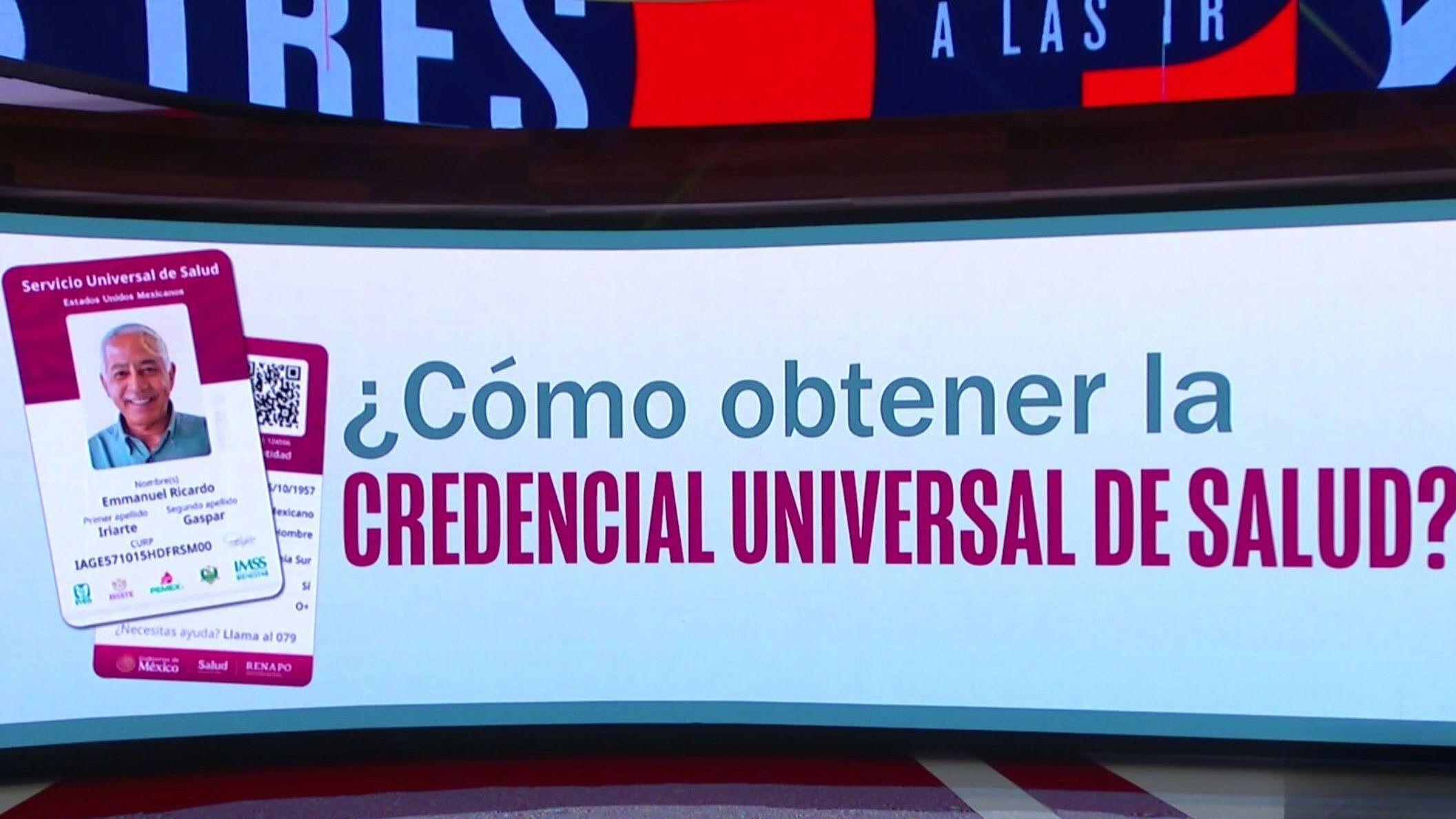
Mexico’s push to expand public healthcare access has entered a modern phase with the rollout of the Universal Health Service credential for adults aged 85 and older. Beginning April 13, 2026, this demographic became the first group eligible to register for the initiative, which aims to streamline identification across public health institutions including IMSS, IMSS Bienestar, and ISSSTE. The credential serves as an official identification document intended to eventually replace existing health cards, facilitating easier access to medical services nationwide.
The registration process, announced by President Claudia Sheinbaum, runs from April 13 to April 30, 2026, and is being conducted in alphabetical order to manage demand at Bienestar modules across the country. Officials emphasize that the initiative is not merely administrative but represents a foundational step toward modernizing Mexico’s public health infrastructure, with plans to introduce a complementary mobile application that will allow beneficiaries to access digital versions of their credential, verify eligibility in real time, and locate nearby health facilities.
According to Eduardo Clark, Subsecretary of Sectoral Integration and Coordination of Medical Care Services, the credentialization process is the first stage of the Universal Health Service program. He stated that the document will function as official identification and is designed to gradually substitute current IMSS and ISSSTE cards, improving coordination between health services. Clark also noted that while the credential is a significant advancement, it is part of a broader strategy that includes technological integration to enhance service delivery and user experience.
To register, individuals aged 85 and older must visit designated Bienestar modules during their assigned alphabetical window and present required documentation. While the specific list of documents was not detailed in the verified sources, similar government registration processes typically require proof of age, official identification such as an INE card or passport, proof of address, and CURP (Unique Population Registry Code). Applicants are advised to consult the official Bienestar website or visit local offices for the most accurate and up-to-date requirements.
The staggered registration schedule, organized by the first letter of the applicant’s first name, began on April 13 and continued through April 19, 2026, for the initial phase targeting seniors 85 and above. This method aims to reduce congestion and ensure orderly processing at service modules. Those who miss their designated window are encouraged to check for possible makeup dates or extended hours, though official confirmations on such accommodations were not available in the verified sources at the time of reporting.
Beyond immediate access to care, officials highlight that the Universal Health Service credential supports long-term goals of equity and efficiency in Mexico’s healthcare system. By creating a unified identification framework, the program seeks to eliminate redundancies, reduce bureaucratic barriers, and improve data sharing between institutions—ultimately leading to faster, more coordinated treatment for vulnerable populations, particularly elderly citizens who often face challenges navigating multiple health systems.
The initiative also reflects a broader trend toward digital transformation in public services. Planned features of the accompanying mobile app include real-time eligibility verification, geolocation of nearby clinics and hospitals, and the ability to store and present the credential digitally. These tools are intended to empower beneficiaries with greater autonomy over their healthcare interactions while reducing reliance on physical documents that can be lost, damaged, or forged.
As of April 16, 2026, registration for adults 85 and older remains open until April 30. Authorities urge eligible individuals and their families to act promptly to ensure inclusion in the initial rollout. Updates on future phases—including potential expansion to younger age groups or additional regions—will be communicated through official channels such as the Presidency’s press releases and the Secretariat of Wellbeing’s social media platforms.
For those seeking official information, the Mexican government recommends visiting gob.mx/bienestar or contacting local Bienestar modules directly. Verified updates regarding the Universal Health Service program are also published through the Presidency’s official website at gob.mx/presidencia. These sources provide the most reliable details on schedules, requirements, and program developments.
As the registration period progresses, monitoring official announcements will be key for individuals navigating the process. The success of this initial phase could influence the speed and scope of future expansions, potentially bringing the benefits of a unified health credential to a broader segment of the population in the coming months.
Stay informed, share this information with eligible family members or community members, and consult verified government sources for the latest guidance on how to obtain the Universal Health Service credential.
Related reading