Univision Returns to YouTube TV: A Deep Dive into the Streaming Landscape & Recent Carriage Disputes
After a tense two-month blackout, Univision and its affiliated networks are once again available to YouTube TV subscribers. this resolution, announced on November 26, 2025, marks the latest progress in a series of high-profile carriage disputes reshaping the streaming television landscape. But what led to this disruption, and what does it signal about the future of how we access our favorite channels?
The Road to Resolution: Why Did Univision Leave YouTube TV?
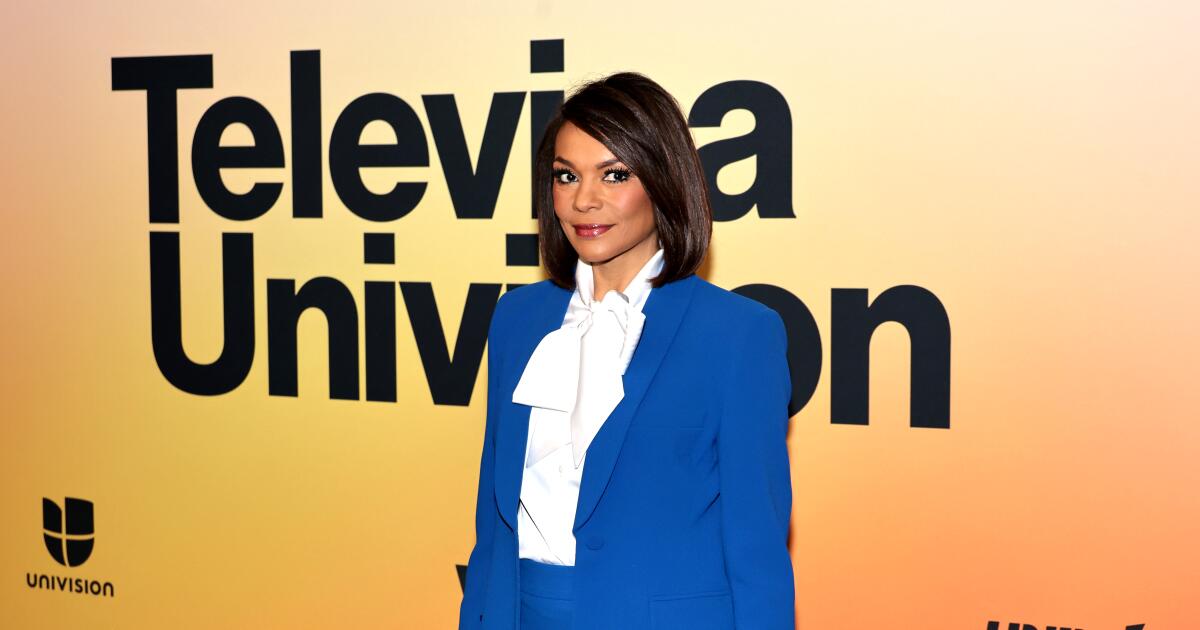
TelevisaUnivision, the parent company of univision, Unimas, TUDN, and Galavisión, reached a multi-year agreement with YouTube TV, restoring access to these crucial networks for over 10 million subscribers. The dispute centered around YouTube TV’s proposal to move Univision’s channels to a more expensive Spanish-language add-on package.
This proposed shift would have effectively imposed an 18% fee increase on customers wanting to continue accessing Univision’s content. More critically, it threatened the revenue model for both parties.Network fees are directly tied to the number of subscribers on a given tier, meaning a move to a premium package would have reduced overall payments to Univision.
The situation quickly escalated, drawing scrutiny from Washington lawmakers concerned about potential price gouging for Spanish-language programming. The blackout, beginning September 30th, highlighted the growing friction between conventional media companies and streaming services over fair compensation and accessibility.
Beyond Univision: A Pattern of Streaming Disputes
This isn’t an isolated incident. YouTube TV has recently navigated similar, albeit ultimately triumphant, negotiations with other major media conglomerates. Just weeks prior, on November 14th, a ten-day blackout of Disney’s networks – including ESPN – was resolved.Similarly, a deal with NBCUniversal was finalized on October 2nd, averting a potential disruption of their channels.
These recurring disputes underscore a essential challenge facing the streaming industry: the rising cost of content. YouTube TV launched in 2017 as a budget-friendly alternative to cable,but the price of programming rights has steadily increased with each renewal.This inevitably leads to tough negotiations and,occasionally,service interruptions. Currently, a YouTube TV subscription costs $82.99 per month – more than double its original price.
What Does This Mean for Viewers?
The Univision blackout, and others like it, serve as a stark reminder that “cord-cutting” doesn’t necessarily mean an end to the frustrations of traditional television. While streaming offers convenience and versatility, it’s not immune to the complexities of content licensing and distribution.
For viewers, this means:
* Potential for disruptions: Blackouts, tho hopefully temporary, are a real possibility as contracts expire and negotiations stall.
* Rising costs: The price of streaming services is steadily increasing as they compete for valuable content.
* Fragmented viewing experiences: The need for multiple subscriptions to access all desired channels is becoming increasingly common.
The Bigger Picture: Vix and YouTube Primetime Channels
The new agreement between TelevisaUnivision and youtube TV extends beyond simply restoring access to existing channels. YouTube will now feature Univision’s subscription streaming service,Vix,on its Primetime Channels hub. This integration provides YouTube TV subscribers with another avenue to access Univision’s extensive library of Spanish-language content, including original programming and live events.
This move highlights a growing trend in the streaming industry: bundling and cross-promotion. By offering Vix through Primetime Channels, YouTube TV can enhance its value proposition and attract new subscribers, while Univision gains access to a wider audience.
Looking Ahead: The Future of Streaming Negotiations
The resolution of the Univision dispute offers a temporary reprieve, but the underlying issues remain. expect continued tension between streaming services and media companies as they grapple with the evolving economics of content distribution.
Key factors to watch include:
* The role of regulation: Will lawmakers intervene to ensure fair pricing and accessibility?
* The rise of direct-to-consumer streaming: Will more networks bypass traditional distributors and launch their own streaming services?
* The impact of advertising: How will advertising revenue influence content pricing and distribution strategies?
Evergreen Insights: Understanding Carriage Disputes
Carriage disputes are a recurring feature of the television industry, stemming from the fundamental power dynamic between content providers (networks) and distributors (cable, satellite, and streaming services). Networks seek maximum compensation for their programming, while distributors aim to keep costs