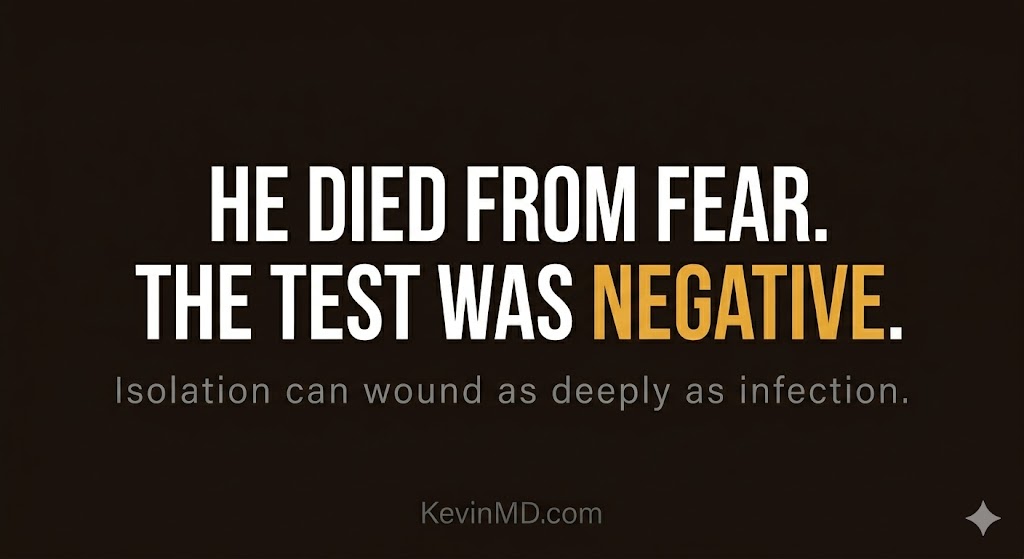
The medical profession is often viewed as a bastion of resilience and expertise, yet beneath the surface of clinical precision lies a growing systemic struggle. For many healthcare providers, the pressure to maintain an image of invulnerability prevents the identification of a critical mental health challenge: unrecognized depression is a hidden crisis in medicine.
This phenomenon is not a novel development, but rather a cumulative result of high-stress environments, emotional exhaustion, and a professional culture that historically stigmatized vulnerability. When clinicians suffer from untreated depression, the impact extends beyond their personal well-being, potentially affecting patient safety, quality of care, and the overall stability of the healthcare workforce.
The roots of this crisis are often found in the intense formative years of medical training. For those who entered the field during periods of acute public health emergencies—such as the height of the AIDS epidemic in the 1980s—the experience of facing widespread fear and clinical uncertainty created a blueprint for endurance that often prioritized professional duty over personal mental health.
Understanding the intersection of professional duty and psychological distress is essential for evolving the way medical institutions support their staff. By addressing the systemic barriers to mental health care, the medical community can move toward a model where physician wellness is viewed not as a luxury, but as a prerequisite for effective patient care.
The Weight of Clinical Trauma and Professional Identity
The psychological burden on medical professionals is often compounded by the nature of their work. In specialties such as physical medicine and rehabilitation, physicians frequently deal with patients facing life-altering diagnoses and chronic illness. When clinicians are exposed to prolonged periods of patient suffering and death, they are at a higher risk for developing depression and burnout.
Historically, the medical culture has emphasized a “stoic” approach to practice. This expectation can lead to a dangerous disconnect where physicians perceive their own depressive symptoms—such as persistent sadness, fatigue, or a loss of interest in clinical work—as signs of weakness rather than treatable medical conditions. This internal stigma often prevents doctors from seeking help until they reach a point of total crisis.
the ethical duties of a physician often create a conflict between the “service of humanity” and self-preservation. The commitment to patient care can lead to an unsustainable workload, where the desire to provide the best possible outcome for a patient results in the neglect of the provider’s own mental health needs.
Systemic Barriers to Mental Health Support
Despite the prevalence of depression among healthcare workers, several systemic barriers prevent timely diagnosis and treatment. One of the most significant hurdles is the fear of professional repercussions. In many jurisdictions, the process of seeking mental health treatment can trigger inquiries from licensing boards or impact a physician’s ability to maintain malpractice insurance.
The structure of medical education and residency also plays a role. The rigorous demands of residency—characterized by long hours and high-stakes decision-making—can mask the early signs of depression. When exhaustion is normalized as a rite of passage, the distinction between “burnout” and clinical depression becomes blurred, leading many to ignore symptoms that require psychiatric intervention.
the lack of integrated mental health resources within hospital systems means that physicians often have to seek care outside their professional environment to ensure privacy. While this protects their anonymity, it also separates their mental health care from the context of the workplace stressors that are driving the depression.
The Impact on Patient Care and Public Health
The crisis of unrecognized depression in medicine is not merely a provider issue; We see a public health concern. Mental health struggles in clinicians can manifest as cognitive fatigue, decreased empathy, and an increase in medical errors. When a physician is struggling with unrecognized depression, their ability to maintain the high level of vigilance required for patient safety may be compromised.
This represents particularly evident in high-pressure environments like emergency medicine, where rapid decision-making is critical. The intersection of politics, policy, and medical practice often adds another layer of stress, as clinicians must navigate systemic failures in healthcare delivery while managing their own psychological distress.
Addressing this crisis requires a shift in how healthcare institutions view physician wellness. Rather than treating wellness as a series of “resilience workshops,” systems must implement structural changes, such as:
- Reducing administrative burdens that contribute to burnout.
- Providing confidential, third-party mental health services.
- Normalizing the discussion of mental health within medical education and peer groups.
- Reforming licensing board requirements to ensure that seeking mental health care does not lead to professional penalization.
Moving Toward a Culture of Support
The path forward involves a fundamental recommitment to the ethical duties of the medical profession, extending that duty of care to the providers themselves. Recognizing that physicians are susceptible to the same psychological vulnerabilities as their patients is the first step in dismantling the stigma surrounding depression in medicine.
By integrating mental health screenings into professional development and creating safe spaces for clinicians to discuss their struggles, the medical community can initiate to uncover the hidden crisis. The goal is to create a healthcare system where the pursuit of excellence in patient care is balanced with a sustainable commitment to the wellbeing of the people providing that care.
As the medical field continues to evolve, the integration of mental health support into the standard of practice will be essential. Ensuring that depression is recognized and treated will not only save the careers of countless physicians but will ultimately lead to a safer, more compassionate healthcare experience for patients worldwide.
For those in the medical community seeking support, professional associations and national health organizations provide resources for confidential mental health assistance and peer-support networks.
World Today Journal will continue to monitor updates regarding physician wellness policies and healthcare workforce mental health initiatives. We invite our readers and medical professionals to share their perspectives and experiences in the comments below.
Keep reading