
Infections originating in the oral cavity can progress into sepsis, a life-threatening systemic inflammatory response to infection that requires immediate medical intervention. While often associated with hospital-acquired conditions or pneumonia, medical researchers emphasize that odontogenic infections—those arising from the teeth or surrounding tissues—remain an underestimated gateway for pathogens to enter the bloodstream. According to the Robert Koch Institute (RKI), early recognition of sepsis symptoms is critical to reducing mortality rates, as the condition can escalate within hours.
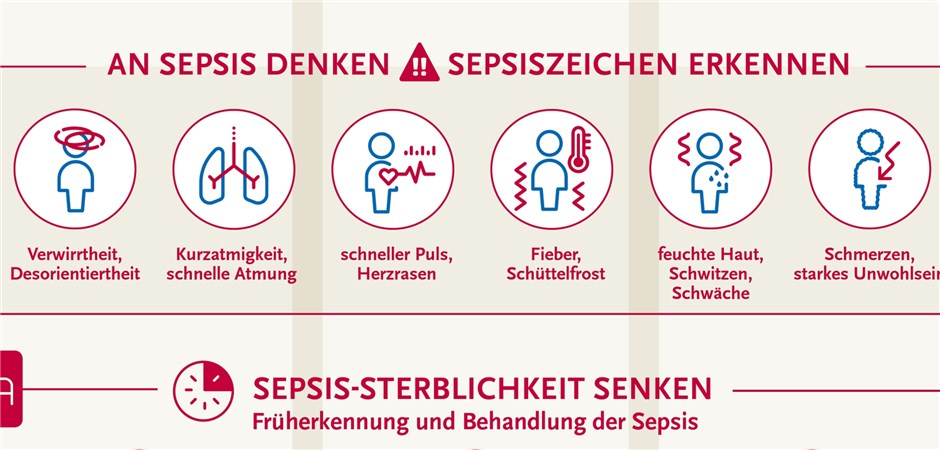
Sepsis occurs when the body’s immune response to an infection triggers widespread inflammation, potentially leading to tissue damage, organ failure, and death. In the context of oral health, conditions such as severe periodontitis, dental abscesses, or complications following invasive oral surgery can allow bacteria to bypass the natural barriers of the gums. Once these bacteria reach the circulatory system, they can trigger a systemic reaction. The Sepsis Stiftung in Germany notes that because sepsis symptoms are often non-specific—such as fever, confusion, or rapid breathing—the underlying oral source is frequently overlooked during initial triage.
The Path from Oral Infection to Systemic Crisis
The oral cavity is home to a diverse microbiome. When the integrity of the gum tissue is compromised, or when a localized infection like a dental abscess is left untreated, these bacteria do not necessarily remain confined to the jaw. Through the rich vascular network of the head and neck, bacteria can enter the bloodstream, a process known as bacteremia. If the immune system fails to contain this breach, the inflammatory cascade of sepsis begins.
Clinical data suggests that individuals with compromised immune systems, such as those undergoing chemotherapy or living with chronic metabolic conditions like diabetes, face a significantly higher risk of progression. The World Health Organization (WHO) highlights that while sepsis affects millions globally, public awareness regarding non-traditional entry points—including dental health—remains dangerously low. Clinicians are increasingly urged to perform thorough oral examinations when patients present with signs of systemic infection and no clear primary focus.
Recognizing the Early Warning Signs
Time is the most critical factor in sepsis survival. Medical guidelines emphasize that the “TIME” acronym—Temperature, Infection, Mental decline, and Extremely ill—serves as a vital screening tool for both patients and healthcare providers. If a patient experiences a sudden high fever or, conversely, an abnormally low body temperature, accompanied by confusion, slurred speech, or extreme lethargy, emergency medical care is required immediately.
In cases where an oral infection is the suspected trigger, patients may also exhibit localized symptoms such as severe jaw pain, persistent swelling, or difficulty swallowing. However, the absence of severe mouth pain does not rule out an oral source, as some chronic infections may be relatively asymptomatic until the systemic reaction takes hold. The Centers for Disease Control and Prevention (CDC) advises that any patient who suspects they have an infection and feels “wrong” or unusually unwell should seek evaluation without delay.
Preventative Strategies and Professional Care
Maintaining rigorous oral hygiene is the primary defense against odontogenic sepsis. Regular dental check-ups allow for the early detection of periodontal disease and the treatment of incipient infections before they have the opportunity to spread. For patients with underlying health vulnerabilities, proactive dental management is considered a standard component of overall disease prevention.
The Bundeszahnärztekammer (German Dental Association) frequently stresses that dental health is inextricably linked to systemic health. Patients are encouraged to consult their dentists if they notice persistent bleeding gums, loose teeth, or recurring swelling in the mouth, particularly if they have a history of heart valve conditions or immunosuppression, which can make them more susceptible to the hematogenous spread of oral bacteria.
Addressing the Perception Gap
A significant challenge in addressing sepsis is the public’s perception of it as a rare or “hospital-only” event. In reality, community-acquired sepsis often begins with minor infections that are ignored or improperly treated. Public health initiatives, such as those supported by the German Sepsis Foundation, aim to educate the public on the importance of recognizing infection signs early. By framing oral health as a pillar of systemic protection, medical professionals hope to reduce the incidence of preventable sepsis cases.
As research continues, the medical community remains focused on improving diagnostic speed. Future clinical protocols are expected to place greater emphasis on screening for dental sources in patients presenting with unexplained systemic inflammation. For now, the most effective tool remains patient awareness: if an infection in the mouth persists or is accompanied by systemic malaise, consulting a healthcare professional is the only way to mitigate the risk of a life-threatening escalation.
For the latest updates on sepsis prevention and public health advisories, residents in Germany can refer to the Robert Koch Institute. Readers are encouraged to share this information to help raise awareness about the vital link between dental health and systemic well-being. Please leave your comments or questions below regarding your experiences or inquiries about oral health screening.
Keep reading