
Two decades after the world first learned to gird their loins
for the terrifying demands of Miranda Priestly, the high-fashion world has officially returned to the big screen. The Devil Wears Prada 2, the long-awaited sequel to the 2006 cult classic, arrived in theaters on May 1, 2026, bringing back the original powerhouse cast to explore a fashion industry in the throes of a digital identity crisis.
Directed by David Frankel and written by Aline Brosh McKenna, the sequel moves beyond the simple glamour of the original to tackle the brutal reality of the modern media landscape. While the first film focused on the ascent of Andy Sachs within the walls of Runway, the second chapter examines what happens when the exceptionally institutions that defined these characters begin to crumble under the weight of social media and shifting economic power.
The film marks a rare cinematic reunion, bringing together Meryl Streep, Anne Hathaway, Emily Blunt, and Stanley Tucci for the first time in 20 years. According to official communications from The Walt Disney Company, the narrative focuses on the intersection of legacy prestige and the volatile nature of contemporary fame, asking how these characters adapt when the world they built their identities around begins to shift.
A Fresh Power Dynamic: The Return of Andy and Emily
The plot picks up with Andy Sachs (Anne Hathaway) facing a professional crossroads. Having spent years in the world of investigative journalism, Andy finds herself unemployed and is unexpectedly called back into the orbit of Runway magazine to lead its reporting wing. However, the magazine she once fled is now a shadow of its former self, vilified on social media and struggling to maintain its cultural relevance.
The most significant shift in power occurs between Miranda Priestly (Meryl Streep) and her former first assistant, Emily Charlton (Emily Blunt). In a reversal of the original film’s hierarchy, Emily has evolved from a desperate subordinate into a formidable executive at a major luxury group. This new position grants her immense leverage; reports indicate that Emily now controls 16% of the advertisements
placed within Runway, effectively making her the one holding the purse strings for Miranda’s struggling publication.
This dynamic creates a tense, symbiotic relationship where Miranda’s legendary authority is no longer absolute. The film explores the irony of a woman who once demanded total obedience now being forced to negotiate with a former employee to keep her empire afloat.
The Crisis of Print in a Digital Age
At its core, The Devil Wears Prada 2 serves as a satire of the decline of traditional magazine publishing. The sequel delves into the desperation of legacy media as it attempts to pivot toward a digital-first strategy while fighting off the influence of influencers and viral trends.
Industry analysts and critics have noted that the film mirrors the actual trajectory of the fashion press over the last two decades. By placing Miranda Priestly in a position of vulnerability, the movie highlights the shift from the “editor-as-god” era to an era of algorithmic dominance. The conflict is no longer just about the perfect shade of cerulean, but about survival in an economy where attention is the only currency that matters.
Key Cast Additions and Returns
- Meryl Streep: Reprising her role as the formidable Miranda Priestly.
- Anne Hathaway: Returning as Andy Sachs, now a seasoned journalist.
- Emily Blunt: Returning as Emily Charlton, now a high-powered luxury executive.
- Stanley Tucci: Returning as the indispensable Nigel.
- New Additions: The ensemble is expanded with Justin Theroux, Lucy Liu, Simone Ashley, and Kenneth Branagh.
Critical Reception and Legacy
Early reactions to the film suggest a divide between those who viewed the original as a perfect standalone piece and those who appreciate the sequel’s willingness to tackle more complex themes of ageism and professional evolution. Some critics have argued that the sequel surpasses the original by providing a more mature exploration of ambition and the cost of success.
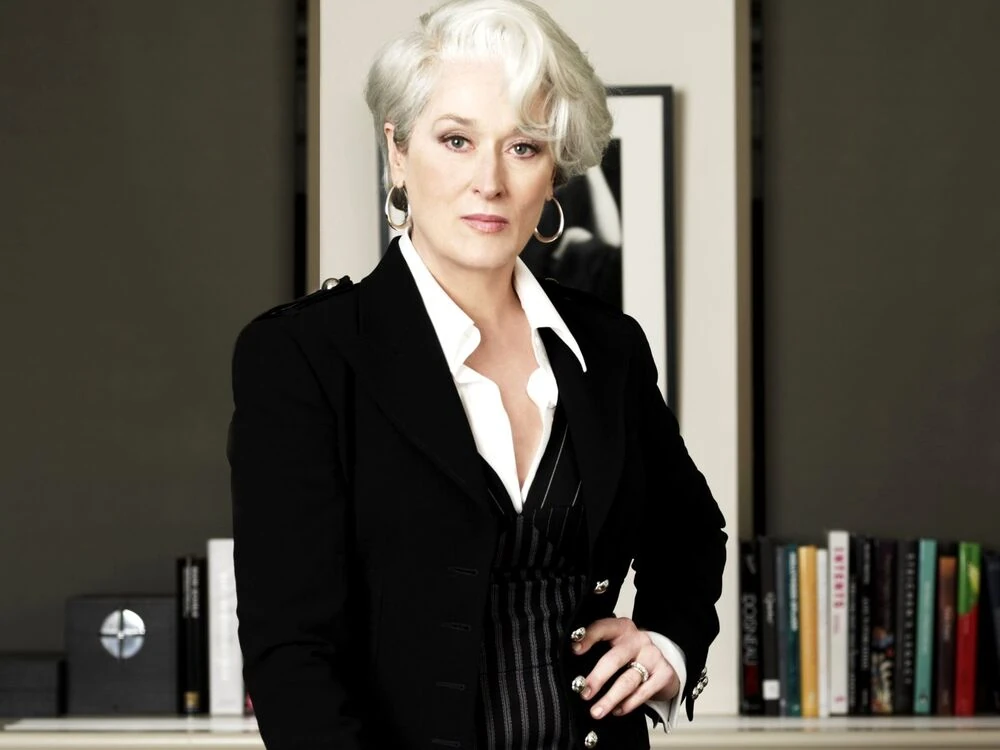
The production of the film was a slow process, with development officially beginning in July 2024. Despite initial hesitation from lead actors regarding a sequel, the creative team focused on developing a meaty story
that justified the characters’ return. The result is a film that functions as both a nostalgia trip for fans of the 2006 hit and a sharp critique of the current state of the luxury industry.
Comparison: The Original vs. The Sequel
| Feature | The Devil Wears Prada (2006) | The Devil Wears Prada 2 (2026) |
|---|---|---|
| Central Conflict | Andy’s struggle to fit into high fashion | The struggle of legacy media to survive |
| Miranda’s Status | Absolute authority in fashion | Vulnerable editor fighting for funding |
| Emily’s Role | Struggling assistant | Powerful luxury group executive |
| Industry Focus | The prestige of print magazines | Digital disruption and social media |
For those looking to revisit the original before diving into the sequel, the 2006 film remains a cornerstone of 2000s cinema, celebrated for its sharp writing and Streep’s iconic performance. The sequel builds upon that foundation, transforming a story about a job into a story about an era ending.
As the film continues its theatrical run, the next major milestone for the franchise will be the announcement of any potential streaming release dates on Disney+, where the original remains a popular title.
Do you think Miranda Priestly is still the most formidable woman in fashion, or has Emily Charlton taken the crown? Share your thoughts in the comments below and let us know if the sequel lived up to the hype.