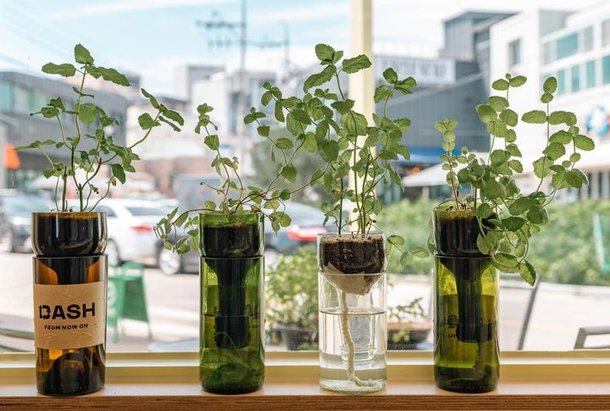
Yangyang-gun, a county in Gangwon Province, South Korea, is demonstrating a commitment to sustainable waste management and economic innovation through its upcycling center. The center has reportedly achieved KRW 100 million (approximately $73,000 USD as of February 24, 2026) in sales through the creative repurposing of waste glass bottles. This initiative highlights a growing trend of turning environmental challenges into economic opportunities and offers a model for other regions grappling with similar waste issues.
The success of the Yangyang-gun Upcycling Center stems from its focus on transforming discarded imported liquor bottles – often difficult to recycle due to their composition and labeling – into desirable consumer products. The center isn’t simply diverting waste from landfills; it’s building a self-sustaining profit model through a combination of product development and hands-on experience programs. This dual approach not only generates revenue but also fosters community engagement and raises awareness about the importance of upcycling.
The Challenge of Glass Waste and the Rise of Upcycling
Glass, whereas theoretically infinitely recyclable, often faces practical hurdles in the recycling process. Contamination, sorting difficulties, and the cost of transportation can all contribute to glass ending up in landfills. Imported liquor bottles present a particular challenge, as their diverse designs and labeling materials can complicate the recycling stream. As Tasting Table reports, upcycling offers a viable alternative, extending the life of these materials and reducing the demand for virgin resources.
Upcycling, distinct from recycling, involves transforming waste materials into new products of higher value. This process often requires creativity and skill, turning discarded items into unique and aesthetically pleasing objects. The growing popularity of upcycling reflects a broader societal shift towards sustainability and conscious consumption. Consumers are increasingly seeking products with a story, and upcycled items often carry a compelling narrative of environmental responsibility and resourcefulness.
Yangyang-gun’s Innovative Approach: From Bottles to Flower Pots and Beyond
The Yangyang-gun Upcycling Center’s primary focus, as initially reported, is the conversion of empty imported liquor bottles into flower pots. However, the center’s activities likely extend beyond this single product line. Successful upcycling initiatives often diversify their offerings to maximize revenue and appeal to a wider customer base. The Sun highlights other creative ways to repurpose empty bottles, including transforming them into lamps, vases, and even decorative art pieces.
The center’s success is also attributed to its integration of experience programs. These programs likely involve workshops and classes where community members can learn upcycling techniques and create their own products. This not only generates additional revenue but also empowers individuals to adopt more sustainable practices in their own lives. The hands-on nature of these programs fosters a sense of ownership and pride in the upcycling process.
The Economic Impact and Sustainability Benefits
The KRW 100 million in sales generated by the Yangyang-gun Upcycling Center represents a significant economic achievement. This revenue can be reinvested into the center, supporting its continued operation and expansion. The initiative creates local jobs and stimulates economic activity within the community. The center’s model demonstrates that environmental sustainability and economic prosperity can go hand in hand.
Beyond the economic benefits, the upcycling center contributes to a more sustainable waste management system. By diverting glass bottles from landfills, it reduces the environmental impact associated with waste disposal, such as greenhouse gas emissions and land degradation. Upcycling also conserves natural resources by reducing the demand to manufacture new products from virgin materials. This aligns with broader global efforts to promote a circular economy, where materials are kept in leverage for as long as possible.
Wine Bottle Upcycling: A Growing Trend
While the Yangyang-gun center focuses on imported liquor bottles, the broader trend of glass bottle upcycling extends to wine bottles as well. Country Living showcases numerous ways to transform empty wine bottles into works of art, including cutting them into glasses, creating candle holders, and using them as decorative elements in gardens.
The appeal of wine bottle upcycling lies in the readily available supply of materials and the aesthetic qualities of the bottles themselves. Wine bottles often have unique shapes and colors, making them ideal for creating visually appealing upcycled products. This trend is particularly popular among DIY enthusiasts and those seeking to add a touch of rustic charm to their homes.
Challenges and Future Prospects
Despite the success of initiatives like the Yangyang-gun Upcycling Center, challenges remain in scaling up upcycling efforts. Collecting and sorting waste materials can be logistically complex and costly. Ensuring the quality and safety of upcycled products is also crucial. Consumer acceptance of upcycled products may be influenced by perceptions of quality and aesthetics.
However, the future prospects for upcycling are bright. Growing environmental awareness, coupled with increasing demand for sustainable products, is driving innovation in the upcycling sector. Technological advancements, such as automated sorting systems and new materials processing techniques, are making upcycling more efficient and cost-effective. Government policies that incentivize upcycling and support the development of circular economy infrastructure will also play a vital role in accelerating the transition towards a more sustainable future.
The Yangyang-gun Upcycling Center serves as a compelling example of how communities can embrace upcycling as a pathway to both environmental sustainability and economic prosperity. Its success demonstrates the potential of transforming waste into valuable resources, and offers a valuable lesson for regions around the world seeking to address the challenges of waste management and promote a more circular economy.
Further updates on the Yangyang-gun Upcycling Center’s progress and expansion plans are expected to be released by the Gangwon Province government in the coming months. We encourage readers to share their own upcycling experiences and ideas in the comments below.
Related reading