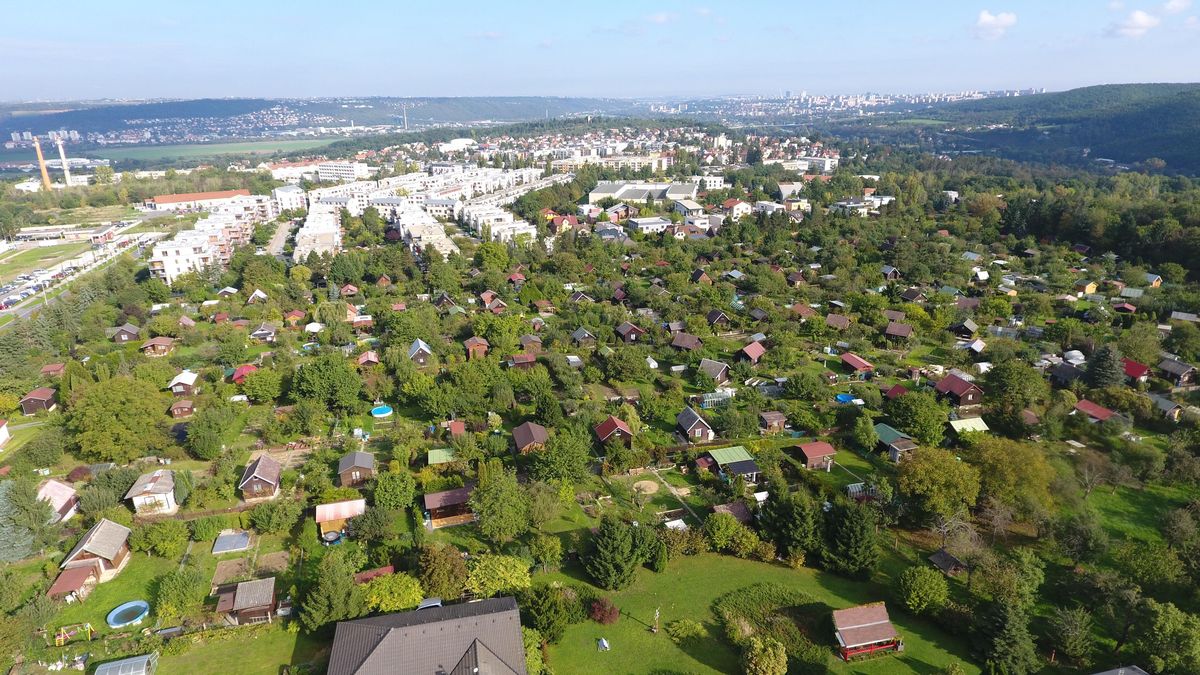
Urban gardening in the Czech Republic is facing a significant transition as the traditional allotment system struggles to adapt to modern property values and complex legal frameworks. While these green spaces—often referred to as “the countryside in the middle of the city”—have long served as vital community hubs, many are now disappearing or becoming prohibitively expensive to maintain due to rising land costs and intricate inheritance procedures. According to reports from the Czech Statistical Office regarding land use and urban development, the pressure on municipal land in major cities like Prague and Brno has reached a critical point, forcing a re-evaluation of how these spaces are managed.
The core of the issue lies in the ownership structure of these plots. Many gardeners operate on land they do not own, often through long-standing lease agreements that are now subject to commercial market pressures. When original leaseholders pass away, the process of transferring these rights—or converting them into stable, long-term ownership—is frequently blocked by high administrative costs and legal barriers. For many families, the sentimental value of a generational garden is increasingly weighed against the reality of potential property development or rising municipal fees.
The Legal and Financial Barriers to Allotment Continuity
The primary challenge for urban gardeners is the lack of secure tenure. Unlike private home ownership, allotment gardens are often situated on land zoned for potential future development or infrastructure. As noted by the Office for Government Representation in Property Affairs (ÚZSVM), the valuation of state-owned land is strictly regulated, which prevents local authorities from offering discounted rates to long-term gardening associations. This creates a financial gap that many amateur gardeners cannot bridge, especially when faced with market-rate rent increases.
Inheritance remains a particularly difficult hurdle. Because many gardens are held under collective lease agreements rather than individual deeds, transferring rights to a descendant is rarely a straightforward legal process. Families often find that the original contract terms are no longer valid, requiring them to renegotiate with municipal authorities under current, more stringent regulations. This lack of continuity leads to the abandonment of plots, which then creates further pressure on local councils to re-purpose the land for housing or commercial use.
Why Urban Green Spaces Matter for City Resilience
Urban planners and environmentalists argue that these gardens provide more than just recreational space; they act as essential “green lungs” that mitigate the urban heat island effect and support local biodiversity. According to data published by the Ministry of the Environment of the Czech Republic, maintaining permeable surfaces within city limits is a key strategy in climate adaptation planning. When allotments are converted into concrete, cities lose a natural defense against heavy rainfall and rising summer temperatures.
Despite these benefits, the economic argument for development often outweighs the ecological one. In many districts, the tax revenue generated from a new apartment building far exceeds the nominal lease payments collected from a community of gardeners. This discrepancy forces city councils to make difficult choices, often resulting in the gradual erosion of the urban garden network in favor of high-density housing projects.
The Future of Community Gardening
What happens next for these gardeners depends largely on local municipal policy. Some cities are exploring “urban farming” initiatives that integrate gardening into public park management, effectively moving the responsibility of maintenance from private individuals to the state. However, this model often strips the gardeners of the autonomy they enjoyed under the traditional allotment system.

For those currently managing a plot, the recommendation from legal experts is to review existing lease agreements for any clauses regarding succession. In cases where the land is privately owned, engaging in direct dialogue with the owner before a contract expires is the only way to avoid sudden eviction. As cities continue to expand, the struggle to balance the need for new housing with the preservation of historic green spaces will remain a central theme in Czech urban policy.
Readers interested in the status of specific plots are encouraged to consult their local municipal land registry office or the official portals of their district council. These departments provide the most accurate information regarding zoning changes and upcoming public hearings. We invite our readers to share their experiences with urban gardening in the comments section below, as we continue to monitor how these community spaces adapt to the changing landscape of modern city living.