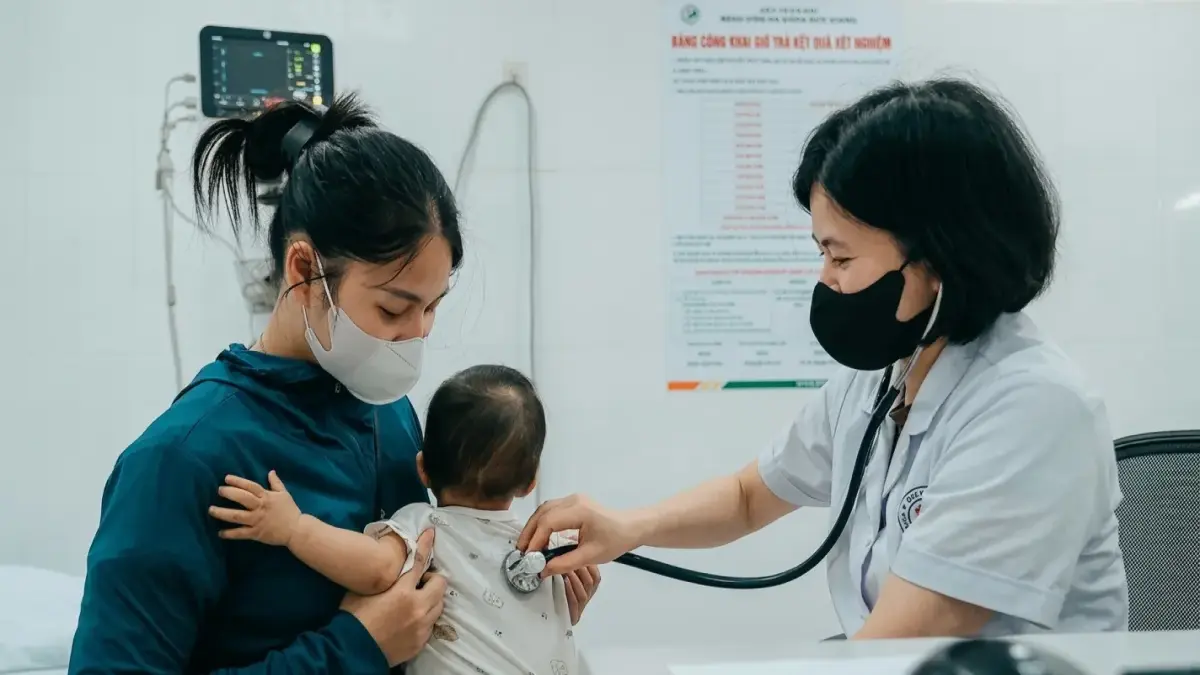
Health authorities are monitoring a significant surge in Hand, Foot, and Mouth Disease (HFMD), with a particular focus on the spread of a more severe viral strain among young children. In a recent public health update from Vietnam, officials reported a wide-scale outbreak that has already seen approximately 26,000 infections and 8 deaths since the beginning of 2026 Vietnam Health Ministry Report. The situation is especially acute in southern regions, where the virus is spreading rapidly through preschools and kindergartens.
While HFMD is often viewed as a mild childhood illness, the current trend is concerning due to the prevalence of the EV71 strain. This specific strain is associated with a higher risk of severe complications, prompting health sectors to increase surveillance and implement urgent preventative measures. For parents and caregivers, understanding the distinction between a typical case and a high-risk infection is now more critical than ever.
As a physician and health journalist, I have seen how seasonal viral shifts can catch families off guard. HFMD typically peaks during warmer months—specifically from March to May and again from September to October—but the intensity of the current 2026 wave highlights the necessitate for heightened vigilance in childcare settings and at home.
The Rise of the EV71 Strain: Why It Matters
Most cases of Hand, Foot, and Mouth Disease are caused by various enteroviruses that result in a self-limiting illness. However, the current outbreak in Vietnam has shown a notable increase in the EV71 strain Vietnam Health Ministry Report. Unlike milder versions of the virus, EV71 is more frequently linked to severe neurological complications and systemic failures, which explains the recorded fatalities in this recent surge.
The virus primarily targets children under the age of 5, though it can occasionally infect adults. Because it is highly contagious, it spreads rapidly in environments where children are in close contact, such as nurseries and schools. The infection period begins with the onset of symptoms and continues until all blisters have disappeared, although some individuals may remain contagious for several weeks after their symptoms have vanished Altibbi Medical Guide.
Identifying Symptoms and Warning Signs
Recognizing the early signs of HFMD is the first step in preventing a wider outbreak within a household or classroom. The disease typically manifests as a viral infection characterized by a specific pattern of physical symptoms:
- Oral Lesions: Painful sores or ulcers appearing inside the mouth and throat.
- Skin Rashes: Red spots or small blisters that typically appear on the palms of the hands and the soles of the feet.
- General Malaise: Fever and a general feeling of illness often precede the rash.
In most standard cases, these symptoms resolve on their own within 7 to 10 days Saudi Ministry of Health. However, when the EV71 strain is involved, the risk of the disease progressing to a more serious state increases, making medical consultation essential if a child exhibits high fever or lethargy.
HFMD vs. Foot-and-Mouth Disease: A Critical Distinction
There is frequent confusion between Hand, Foot, and Mouth Disease (HFMD) and Foot-and-Mouth Disease (FMD). It is vital for the public to understand that these are entirely different conditions. While HFMD is a human viral infection, Foot-and-Mouth Disease is a viral infection that affects only animals, such as cattle, sheep, and pigs; it does not infect humans under any circumstances Altibbi Medical Guide.
Prevention and Management for Parents
Because HFMD is highly infectious, prevention centers on hygiene and the limitation of viral transmission. Health officials emphasize that the virus spreads easily in schools and nurseries, making these the primary sites for intervention.
To protect children, caregivers should focus on frequent handwashing and the disinfection of shared toys and surfaces. Since the virus can remain active even after symptoms disappear, keeping infected children home until their blisters have fully healed is the most effective way to break the chain of transmission.
| Feature | Typical HFMD | High-Risk (EV71) |
|---|---|---|
| Primary Age Group | Children < 5 years | Children < 5 years |
| Common Symptoms | Mouth sores, hand/foot rash | Mouth sores, hand/foot rash |
| Typical Duration | 7 to 10 days | Variable; potential for complications |
| Risk Level | Generally non-serious | Higher risk of severe disease |
What Happens Next?
Health sectors continue to monitor the epidemiological data closely, particularly the weekly infection rates which saw a marked increase in March 2026. The goal is to apply appropriate countermeasures as the seasonal peak continues through May. Parents are encouraged to stay updated via official health ministry advisories and to seek immediate medical attention if a child shows signs of severe illness associated with HFMD.
We invite our readers to share their experiences or questions regarding pediatric viral trends in the comments below to help foster a community of informed caregivers.
Related reading