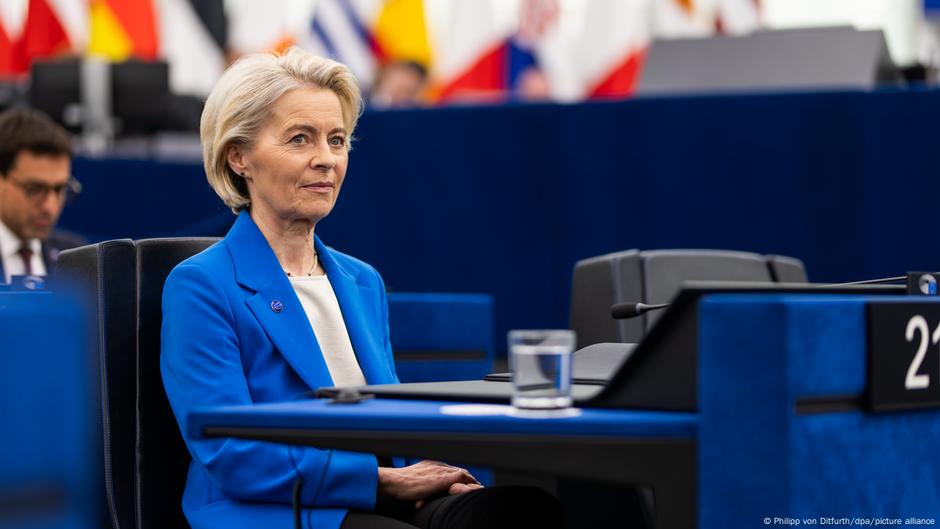
navigating Troubled Waters: Will Ursula von der Leyen Survive the No-Confidence Vote?
The European Commission,under President Ursula von der Leyen,is facing a critical juncture. A looming no-confidence vote, coupled with growing discontent from across the political spectrum, has sparked debate about the stability of the current leadership and the future direction of the European Union. but what’s driving this turbulence,and what does it mean for you and the future of Europe? Let’s break down the situation.
the Shifting Sands of European Politics
For years, the European Parliament has operated with a relatively stable center-right coalition. However, that foundation is showing cracks. A key factor is the evolving relationship between the European People’s Party (EPP) – traditionally a cornerstone of the center – and far-right parties.
As analyst Bastian Hermisson notes, the EPP is increasingly willing to align with these groups on issues like migration and international affairs. This shift is eroding the conventional boundaries and creating a power vacuum that’s being exploited by political fringes.
Internal Friction & Eroding Trust
The challenges aren’t solely external. Personal clashes between key figures – notably Manfred Weber (EPP) and Iratxe García (S&D) – are hindering compromise and exacerbating tensions. This internal friction is contributing to a sense of instability and making it harder to forge consensus.
But the discontent extends beyond personalities. Various factions are voicing concerns:
* Liberals: Frustrated by the perceived slow pace of bureaucratic reforms.
* EPP: Annoyed by what they see as unilateral foreign policy decisions.
* Social Democrats & Greens: Increasingly skeptical of a focus on growth and competitiveness at the expense of social programs and the Green Deal.
Is Von der Leyen’s Position Truly at Risk?
Despite the mounting criticism, many experts believe a complete collapse of von der Leyen’s leadership is unlikely. Political scientist Daniela Möller argues that while the platform supporting the Commission is weakening, it’s not on the verge of crumbling.
Von der Leyen is a seasoned politician, and she’s likely to leverage the no-confidence vote as an opportunity to reaffirm her authority and demand loyalty from her coalition. This is a high-stakes gamble, but one she appears prepared to take.
A Sign of Destabilization or Democratic Vitality?
The current situation presents a paradox. Is it a harbinger of dangerous instability, or a demonstration of a healthy, functioning democracy? According to analyst Ricardo costa, it’s both.
Controversy and debate are inherent to democratic processes. However, if these tensions become overwhelming, they can indeed destabilize the system. The EU is currently walking a tightrope.
The New Normal: Constant Stress Tests
Costa doesn’t foresee an immediate resignation or dismissal for von der Leyen. In his view, she remains the best available option for many. Though, the size of the opposition in the no-confidence vote will be a crucial indicator.
A weak showing would signal a deteriorating relationship between the European Commission and the European Parliament. This, in turn, will translate into increased pressure during upcoming negotiations on critical issues like the budget, trade, and climate legislation.
What Does This Mean for you?
The outcome of this political drama will have tangible consequences for citizens across Europe. A weakened Commission could struggle to deliver on key policy initiatives,impacting everything from economic growth and environmental protection to social welfare and international relations.
Hear’s what you should be aware of:
* Policy Delays: Increased political friction could led to delays in implementing crucial policies