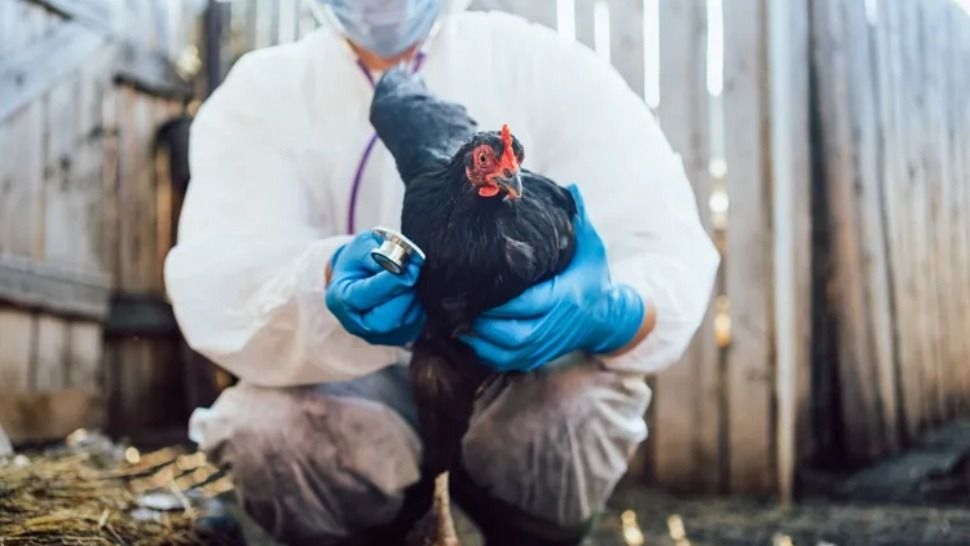
Montevideo, Uruguay – Authorities in Uruguay have declared a national animal health emergency following the detection of highly pathogenic avian influenza (H5) in wild birds across several departments. The swift action, announced on February 24, 2026, by the Ministry of Livestock, Agriculture and Fisheries (MGAP), aims to prevent the spread of the virus to commercial poultry farms and protect both animal health and public safety. This outbreak underscores the ongoing global threat posed by avian influenza and the importance of proactive surveillance and biosecurity measures.
The initial detection of the H5 virus occurred on February 20th in a coscoroba swan (Coscoroba coscoroba) near Laguna Garzón, in the eastern part of the country, according to reports. Subsequent findings have confirmed the presence of the virus in wild birds within the departments of Maldonado, Rocha, and Canelones. The MGAP’s decision to declare a national emergency is based on a technical report from the General Directorate of Livestock Services (DGSG), which highlighted the potential risks to the country’s animal production sector, public health, and the environment. This declaration triggers a series of preventative measures designed to contain the outbreak and minimize its impact.
Urgent Measures to Contain the Spread
The Uruguayan government has implemented a range of restrictions to curb the spread of the avian influenza virus. A key measure is the restriction of all movements of backyard poultry and birds not monitored through the National Avian Monitoring System. This aims to limit the potential for the virus to be carried to fresh locations by unregulated bird movements. Though, birds that *are* part of the established monitoring system are still permitted to move, subject to veterinary oversight. The official MGAP announcement details these restrictions.
backyard poultry and birds in free-range production systems are now required to be housed in enclosed, roofed facilities, in compliance with the Avian Influenza Contingency Manual approved by Resolution DGSG N° 341/024 on December 6, 2024. This measure is intended to reduce contact between these birds and potentially infected wild birds. The government has also suspended all avian-related events, including fairs, auctions, exhibitions, and gatherings, as a preventative step to reduce the risk of virus dissemination. Ellitoral reports that these measures are being implemented immediately across the country.
Impact on Poultry Producers and the Economy
The declaration of a national emergency and the subsequent restrictions are expected to have a significant impact on Uruguay’s poultry industry. While the virus has so far been detected only in wild birds, the potential for transmission to commercial farms remains a serious concern. Uruguay is a significant exporter of poultry products, and an outbreak in the commercial sector could disrupt trade and lead to economic losses. The MGAP is emphasizing the importance of biosecurity measures on farms to prevent infection. These measures include strict hygiene protocols, controlled access to facilities, and regular monitoring of bird health.
The suspension of avian events, such as auctions and fairs, will also affect producers who rely on these events to market their birds. The government has not yet announced any financial assistance packages for producers affected by the restrictions, but it is likely that such measures will be considered if the outbreak persists or spreads to commercial farms. The economic implications of this outbreak are being closely monitored by the Ministry of Economy and Finance.
Public Health Considerations and Surveillance
While avian influenza viruses primarily affect birds, there is a risk of transmission to humans, while it is rare. The H5 viruses currently circulating globally have demonstrated the ability to infect humans, raising concerns about potential public health impacts. The Uruguayan Ministry of Public Health is working closely with the MGAP to monitor the situation and implement appropriate public health measures. These measures include enhanced surveillance for human cases of avian influenza and the dissemination of information to the public about the risks and how to prevent infection.
Authorities are urging the public to exercise caution and avoid contact with sick or dead birds. Any suspected cases of avian influenza should be reported immediately to the relevant official offices to facilitate epidemiological surveillance and control efforts. The MGAP is providing guidance to the public on how to safely dispose of dead birds and how to report suspected cases. Infobae reports that the government is prioritizing protecting both animal health, public health, and the environment.
Global Context and Avian Influenza Trends
The outbreak in Uruguay is part of a broader global trend of increasing avian influenza activity. Highly pathogenic avian influenza viruses, particularly H5N1, have been spreading rapidly across Europe, Asia, and North America in recent years, causing widespread outbreaks in poultry and wild birds. The World Organisation for Animal Health (WOAH) is closely monitoring the global situation and providing guidance to countries on how to prevent and control the spread of the virus. The current outbreak highlights the demand for international collaboration and coordinated efforts to address the ongoing threat of avian influenza.
The virus’s ability to jump species and its rapid mutation rate pose ongoing challenges to public health officials. Vaccination strategies for poultry are being explored in some countries, but the effectiveness of vaccines and the potential for the virus to evolve resistance remain key considerations. Continued surveillance, research, and development of new diagnostic tools and vaccines are essential to mitigate the risks posed by avian influenza.
What Happens Next?
The Uruguayan government has not specified a timeframe for lifting the national emergency. The duration of the restrictions will depend on the evolution of the outbreak and the effectiveness of the control measures. The MGAP will continue to monitor the situation closely and provide regular updates to the public. The next official update is expected on March 7, 2026, when the DGSG will review the epidemiological data and assess the need for continued restrictions.
The situation remains fluid, and the potential for further spread of the virus cannot be ruled out. Continued vigilance and adherence to biosecurity measures are crucial to protect Uruguay’s poultry industry and public health. We encourage readers to share their thoughts and experiences in the comments below and to share this article with others who may be affected by the outbreak.
Keep reading