Sofia, Bulgaria — June 1, 2026
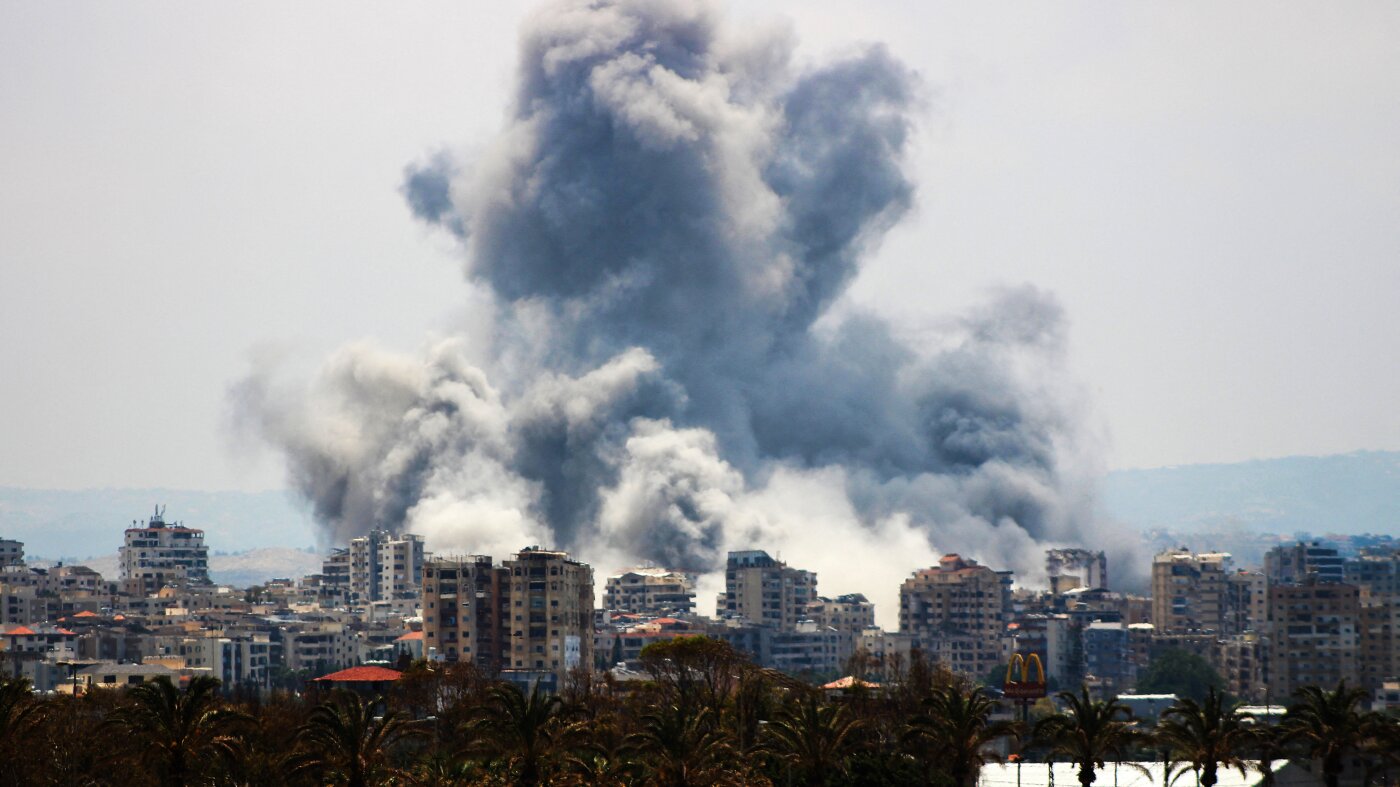
Tensions in the Strait of Hormuz reached a new flashpoint over the weekend as U.S. Military forces conducted airstrikes against Iranian military sites, including facilities on Qeeshm Island—a strategic choke point for global oil shipments. The operation, which follows weeks of heightened maritime security measures in the region, has reignited fears of a broader regional conflict while simultaneously drawing scrutiny to a controversial $1.8 billion fund established by the Trump administration to counter weapons proliferation.
The strikes, confirmed by U.S. Central Command (CENTCOM), targeted what officials described as “military infrastructure” linked to Iran’s Revolutionary Guard Corps (IRGC). The operation comes amid a surge in Iranian military activity in the Strait, including missile launches and drone attacks against U.S. Naval vessels transiting the waterway. Meanwhile, Congress and federal courts are examining the legality and allocation of the Trump-era fund, which has become a focal point in debates over military spending and executive overreach.
As the situation unfolds, global markets are monitoring the Strait of Hormuz—a critical artery for 20% of the world’s seaborne oil—while lawmakers grapple with the administration’s defense policies. Here’s what we know so far.
U.S. Strikes Iranian Sites in Strait of Hormuz: What Happened?
Over the weekend, U.S. Military forces conducted precision airstrikes against Iranian military installations in the Strait of Hormuz, including facilities on Qeeshm Island. The operation, carried out by American aircraft, was described as a “defensive measure” by U.S. Central Command (CENTCOM) in response to what officials characterized as “provocative actions” by Iranian forces in the region.
According to a CENTCOM press release dated May 7, 2026, Iranian forces launched multiple missiles, drones, and small boats targeting U.S. Warships—including the USS Truxtun (DDG 103), USS Rafael Peralta (DDG 115), and USS Mason (DDG 87)—transiting the Strait of Hormuz. The strikes were part of a broader U.S. Effort to protect commercial shipping in the waterway, which has seen a surge in Iranian military activity in recent weeks.

In the days leading up to the airstrikes, CENTCOM reported that U.S. Forces had assisted approximately 70 commercial vessels in safely navigating the Strait, underscoring the escalating risks to global trade routes. The Strait of Hormuz, a narrow waterway between Iran and Oman, is a critical transit point for oil tankers supplying markets in Asia, Europe, and beyond.
Why Qeeshm Island? Qeeshm Island, located at the mouth of the Strait, has long been a site of Iranian military activity, including missile batteries and coastal defense systems. The island’s strategic location makes it a potential flashpoint for future conflicts, particularly as tensions between the U.S. And Iran remain high. Analysts suggest the strikes may have been intended to send a message to Tehran while avoiding a broader escalation.
Iran has not yet responded officially to the airstrikes, but regional observers warn that the operation could provoke further retaliation. The IRGC, Iran’s elite military force, has previously vowed to respond to any perceived aggression against its assets or personnel. Meanwhile, global oil prices have fluctuated in response to the developments, with traders monitoring the situation closely.
Broader Context: U.S. Military Presence in the Strait
The Strait of Hormuz has been a focal point for U.S. Military operations since 2019, when Iran seized a British-flagged oil tanker and threatened to disrupt shipping in the region. In response, the U.S. Deployed additional naval assets, including aircraft carriers and destroyer groups, to deter Iranian aggression. The recent strikes appear to be part of this ongoing strategy, which includes both defensive measures and efforts to reassure allies in the Gulf.
In a recent report, U.S. Central Command officials acknowledged that the military has been providing “escort and guidance services” to commercial ships transiting the Strait, a move that reflects the growing instability in the region. The operation has drawn criticism from some lawmakers who argue that it expands the U.S. Military’s role without clear congressional authorization.
Trump’s $1.8 Billion Anti-Weaponization Fund Faces Scrutiny
While military tensions dominate headlines, another contentious issue is unfolding in Washington: the scrutiny surrounding a $1.8 billion fund established by the Trump administration to counter weapons proliferation. Officially known as the Countering Weapons of Mass Destruction (CWMD) Fund, the program has become a target for congressional oversight and legal challenges, raising questions about its transparency and compliance with federal spending laws.
The fund, created under the 2023 National Defense Authorization Act (NDAA), is designed to finance efforts to disrupt the spread of nuclear, chemical, and biological weapons. However, critics—including Democrats in Congress and watchdog groups—have raised concerns about the fund’s lack of clear oversight and potential for misuse. A recent Government Accountability Office (GAO) report highlighted gaps in accounting for how the funds are allocated and spent.

In the Senate, lawmakers have introduced amendments to require more detailed reporting on the fund’s expenditures. Meanwhile, a lawsuit filed by a coalition of advocacy groups argues that the fund’s creation violated the Impoundment Control Act, which mandates that Congress approve any funds withheld from spending. The case is currently pending in the U.S. District Court for the District of Columbia.
What’s at Stake? The debate over the CWMD Fund is part of a broader conversation about executive authority in defense spending. Supporters argue that the fund provides critical resources to counter emerging threats, while opponents warn that it lacks sufficient checks and balances. As Congress prepares to vote on the 2027 defense budget, the fund’s future remains uncertain.
Key Questions for Congress and the Courts
The legal and political battles over the fund raise several critical questions:
- Transparency: How are the $1.8 billion being allocated, and who is accountable for its use?
- Congressional Oversight: Does the fund comply with existing laws requiring congressional approval for such large-scale appropriations?
- Effectiveness: Are the fund’s programs achieving their stated goals, or are they being diverted for other purposes?
- Future Funding: Will the fund be renewed, expanded, or defunded in the upcoming budget cycle?
As the legal challenges proceed, the outcome could set a precedent for how future defense funds are structured and overseen. For now, the fund remains a contentious issue, with stakeholders on both sides preparing for a prolonged battle.
Global Reactions and Market Impact
The combination of military escalation in the Strait of Hormuz and the political turmoil over the CWMD Fund has sent ripples through global markets and diplomatic circles. Here’s how different stakeholders are responding:
Oil Markets: A Delicate Balance
Traders are closely monitoring the Strait of Hormuz, where even minor disruptions can send oil prices surging. While the U.S. Strikes may have temporarily eased some tensions by demonstrating resolve, the long-term impact remains uncertain. Analysts at Bloomberg note that any further escalation could lead to a sharp increase in premiums for insurance and shipping costs, particularly for vessels transiting the Strait.
Saudi Arabia and the UAE, both major oil producers, have issued statements urging de-escalation. However, their ability to influence Iran’s actions is limited, leaving the U.S. As the primary arbiter in the region.
Diplomatic Fallout
European allies, including Germany and France, have called for restraint and dialogue, warning that further military action could destabilize the broader Middle East. The European Union’s High Representative for Foreign Affairs, Josep Borrell, issued a statement emphasizing the need for “diplomatic solutions” to avoid a wider conflict.
In contrast, Israel—an ally of the U.S.—has largely supported the military strikes, viewing them as necessary to counter Iranian aggression. The relationship between Israel and Iran has been fraught with tension for decades, particularly over Iran’s nuclear program and its support for proxy groups like Hezbollah.
Congressional Divide
Back in Washington, the response to the Strait of Hormuz strikes has been mixed. While some lawmakers, particularly Republicans, have praised the administration’s decisive action, others—including progressive Democrats—have criticized the lack of consultation with Congress. A group of senators led by Senator Elizabeth Warren (D-MA) has called for a full briefing on the operation’s legal basis and its potential implications for regional stability.

Meanwhile, the debate over the CWMD Fund has exposed deeper divisions over defense spending priorities. Republicans generally support the fund as a necessary tool for national security, while Democrats argue that it lacks accountability and could be better managed through traditional budgetary processes.
What Happens Next?
The next critical checkpoint will be the outcome of the legal challenges to the CWMD Fund, with a hearing scheduled in the U.S. District Court for June 15, 2026. Congress is expected to resume debates on the 2027 defense budget in early July, where the fund’s future could be decided.
In the Strait of Hormuz, the situation remains volatile. The U.S. Has signaled that it will continue to protect shipping lanes, but the risk of further clashes cannot be ruled out. Iran’s response to the airstrikes will be closely watched, as will any signs of de-escalation or diplomatic engagement.
For readers seeking updates, the following resources provide official information:
- U.S. Central Command (CENTCOM) for military developments in the region.
- Congress.gov for tracking legislative actions on the CWMD Fund.
- Government Accountability Office (GAO) for reports on defense spending.
- U.S. Department of Energy for updates on oil market trends.
As the situation evolves, we’ll continue to provide updates on both the military developments in the Strait of Hormuz and the political battles over the Trump administration’s defense fund. Your insights and questions are welcome in the comments below—share this article to keep others informed.