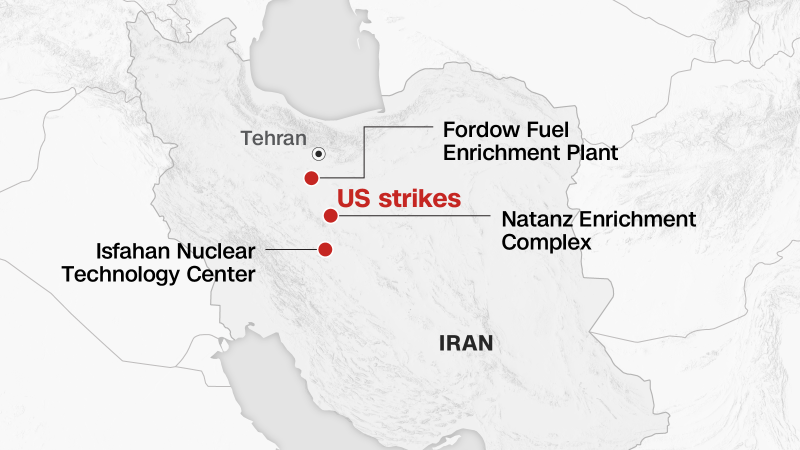
Tensions in the Middle East reached a critical flashpoint on April 7, 2026, as U.S. Forces launched a series of precision strikes against military installations on Iran’s Kharg Island. The operation, which targeted approximately 50 military sites, comes at a moment of extreme diplomatic and military volatility, occurring just hours before a deadline set by the Trump administration.
Kharg Island serves as the strategic “energy heart” of Iran, acting as the primary hub through which more than 90% of the nation’s crude oil exports flow according to Seoul Shinmun. While the island is critical for Iran’s economic survival, U.S. Officials have emphasized that the current wave of attacks was strictly limited to military targets to avoid a total collapse of regional energy infrastructure.
The timing of the strikes is particularly significant. The operation was carried out roughly 12 hours before a “final ultimatum” deadline set by President Trump, which was scheduled for 3:30 a.m. On April 8 (Iran time) per Newsis. This escalation suggests a strategy of maximum military pressure intended to force a diplomatic concession before the clock runs out.
As the international community watches the Strait of Hormuz, the risk of a broader conflict looms. With Iran vowing “total resistance” and Israel conducting simultaneous strikes on Iranian civilian infrastructure, the region is teetering on the edge of a full-scale war.
Strategic Focus: The Battle for Kharg Island
Kharg Island is not merely a piece of land but a vital economic artery. Because it handles the vast majority of Iran’s oil exports, any significant damage to its loading terminals could effectively neutralize Iran’s ability to fund its government and military operations. However, the U.S. Military has reportedly maintained a disciplined distinction between military and economic targets.
According to reports from the Wall Street Journal and CNN, the U.S. Military struck roughly 50 military targets on the island on the afternoon of April 7 via Newsis. This follows a previous strike on March 13 that also targeted military facilities on the island. Despite the presence of over 10 million barrels of stored crude oil on the island, U.S. Forces have specifically avoided hitting the oil infrastructure to prevent an environmental catastrophe and a global energy price shock.
The escalation is part of a broader U.S. Military buildup in the region. Earlier reports indicated that the Trump administration had considered deploying an additional 10,000 ground troops near Iran as of March 26, with the intent of positioning them where they could potentially seize or neutralize Kharg Island per Newsis. Approximately 5,000 Marines and other personnel have already been deployed to the Middle East as the U.S. Responds to Iran’s increasing blockade of the Strait of Hormuz.
Simultaneous Escalations: Israel’s Role and Iranian Response
While the U.S. Focused on military targets on Kharg Island, Israel appears to have adopted a different strategy, targeting civilian and logistics infrastructure within the Iranian mainland. These coordinated efforts have placed immense pressure on the Iranian government.

In the Isfahan province, Israeli strikes reportedly destroyed a railway bridge, resulting in two deaths and three injuries according to MBC News. Further strikes were reported on railways in Gazvin in the north and Karaj, located west of Tehran. This targeting of transport hubs suggests an attempt to disrupt the movement of Iranian military assets and supplies.
The Iranian government has responded with fierce rhetoric. The Iranian President stated that 14 million Iranians are prepared to sacrifice their lives in a “fight to the death,” signaling that Tehran is not deterred by the aerial bombardments and is prepared for a protracted conflict via MBC News.
The Diplomatic Clock: The Trump Ultimatum
The central driver of this current aggression is the deadline established by the White House. U.S. Vice President J.D. Vance has clarified that the attacks on Kharg Island do not represent a change in strategy or a departure from President Trump’s stated position. He emphasized that the negotiation deadline remains firm, set for 8:00 a.m. Eastern Time per MBC News.
The strategy appears to be “coercive diplomacy”—using targeted military strikes to demonstrate capability and resolve, thereby forcing the adversary to the negotiating table under unfavorable terms. By striking the military assets on the island without destroying the oil facilities, the U.S. Is sending a precise message: it can dismantle Iran’s defenses at will but chooses to exit the economic lifeline intact—for now.
Timeline of Recent Escalations
| Date | Event | Details |
|---|---|---|
| March 13 | Initial Kharg Island Strike | U.S. Targets military facilities on the island. |
| March 26 | Troop Deployment Review | Reports emerge of plans to deploy 10,000 additional ground troops. |
| April 7 (PM) | Major Air Campaign | U.S. Strikes 50+ military targets on Kharg Island; Israel hits Iranian railways. |
| April 8 (AM) | Ultimatum Deadline | Trump administration’s deadline for negotiations (3:30 AM Iran time). |
The global community now waits to see if the Iranian leadership will blink or if the expiration of the deadline will trigger a more comprehensive military engagement. The focus remains on the Strait of Hormuz, where any further escalation could disrupt global oil supplies and trigger a worldwide economic crisis.
The next critical checkpoint is the immediate aftermath of the 8:00 a.m. Eastern Time deadline on April 8. Official statements from the White House and the Iranian Foreign Ministry are expected shortly thereafter.
We invite our readers to share their thoughts on the regional stability of the Middle East in the comments below. Please share this report to keep others informed on these rapidly evolving events.
Worth a look