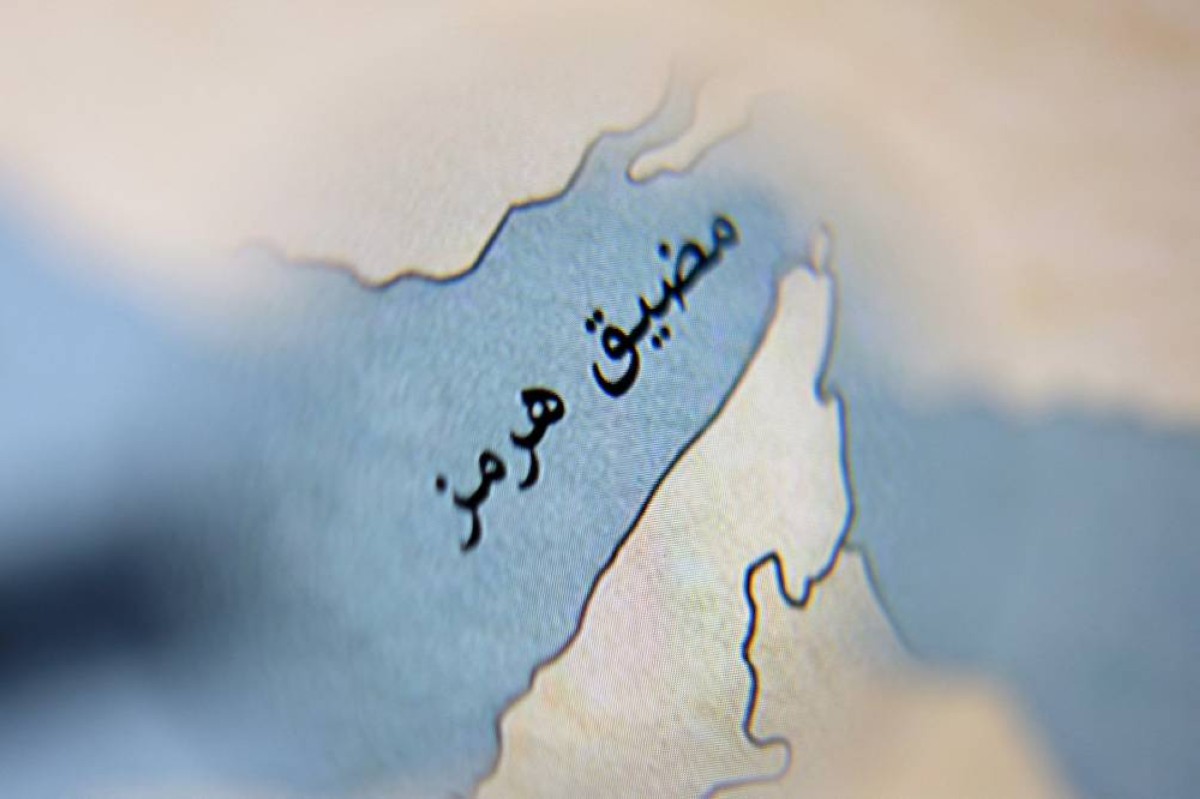
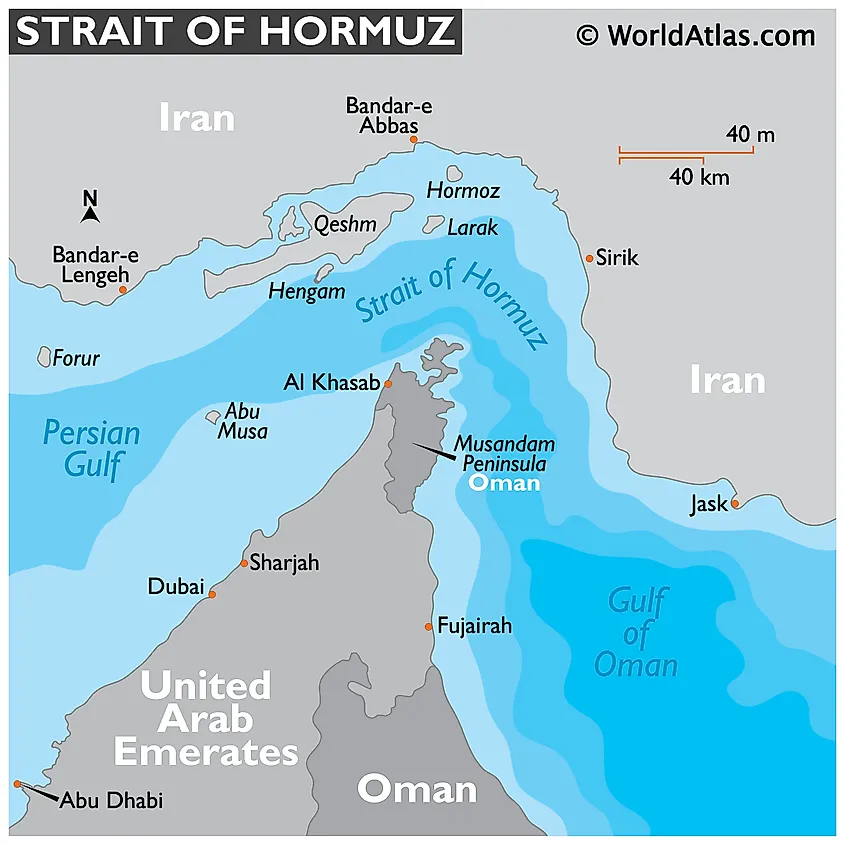
The diplomatic struggle to secure one of the world’s most vital maritime arteries has intensified as Bahrain and the United States move to formalize international pressure on Iran. The two nations have circulated a draft Security Council resolution aimed at halting ongoing attacks in the Strait of Hormuz, signaling a coordinated effort to stabilize a region currently gripped by escalating volatility.
The move comes amid a sharp decline in maritime traffic and a series of security breaches that have alarmed global markets. The draft text, presented by ambassadors at UN Headquarters in New York on Thursday, seeks to establish a clear international mandate for the protection of commercial shipping and the prevention of illegal disruptions in the waterway.
This diplomatic push is not a solitary effort; it carries the weight of several key regional players. According to official reports, the resolution is supported by Kuwait, Qatar, Saudi Arabia, and the United Arab Emirates (UAE), whose representatives joined the stakeout to signal a unified Gulf front against maritime instability.
Addressing Maritime Threats and Illegal Tolling
The proposed resolution targets specific tactical threats that have hampered navigation in the Strait. Central to the text is a demand for Iran to immediately cease all attacks and threats directed at merchant and commercial vessels. Beyond direct attacks, the resolution explicitly addresses the placement of naval mines and the practice of “illegal tolling” within the critical maritime channel.
Ambassador Jamal Fares Alrowaiei of Bahrain emphasized the urgency of the situation, stating that the Strait of Hormuz is critical not only to the prosperity and stability of the Gulf region but also to the global economy. “Recent developments have underscored the importance of keeping this strategic waterway safe, secure and fully open,” Alrowaiei told reporters. “They have also shown the need for collective action.”
A significant component of the draft resolution is the call for participation in United Nations efforts to establish a humanitarian corridor within the Strait. This addition suggests that the crisis has moved beyond a purely military or economic concern, now impacting the delivery of essential goods and humanitarian aid.
A Pattern of Escalation and Legal Precedent
The current draft does not exist in a vacuum but is designed to build upon previous international legal frameworks. Ambassador Alrowaiei noted that the Bahrain-US text builds on the “historic” Council resolution 2817 (2026). Adopted in March, that earlier resolution condemned “egregious attacks” by Iran against seven neighbouring countries in the strongest possible terms.
The timing of this new resolution follows a period of acute tension. The UN Security Council recently met in a closed session after missile and drone attacks targeted the UAE on a Monday. While the Iranian military has denied carrying out those specific strikes, the frequency of such incidents has pushed regional diplomats to seek a more robust and enforceable security mechanism.
The push for this resolution reflects a growing consensus among Gulf states that allowing these maritime disruptions to become “normalized” is an unacceptable risk to international law and regional security.
Economic Impact: The 90 Per Cent Decline
The real-world consequences of the instability in the Strait of Hormuz are most evident in the shipping data. The strategic waterway, which serves as the primary exit point for oil and gas from the Persian Gulf, has seen a catastrophic drop in activity. Since the crisis escalated in late February 2026, ship transits through the Strait have dropped by over 90 per cent.
This collapse in traffic represents a severe disruption to global supply chains. Because the Strait is a chokepoint for a significant portion of the world’s energy supplies, the continued threat of mines and targeted attacks creates a ripple effect, increasing insurance premiums for shipping companies and threatening energy security for nations far beyond the immediate region.
The proposed resolution aims to reverse this trend by creating a secure environment where commercial vessels can operate without the threat of illegal tolls or military interference, thereby restoring the flow of trade essential for global economic stability.
Key Takeaways of the Proposed Resolution
- Immediate Cessation: Demands Iran stop all threats and attacks against commercial and merchant vessels.
- Tactical Prohibitions: Specifically targets the placement of mines and the imposition of illegal tolls in the waterway.
- Humanitarian Focus: Calls for the creation of a UN-led humanitarian corridor to ensure the flow of aid.
- Regional Unity: Backed by a coalition including Bahrain, the US, Kuwait, Qatar, Saudi Arabia, and the UAE.
- Legal Continuity: Designed to strengthen and expand upon the mandates established in Resolution 2817 (2026).
The international community now awaits a formal vote or further negotiations within the Security Council to determine if the resolution will be adopted. The outcome will likely dictate the level of international naval presence and the nature of diplomatic sanctions or incentives used to ensure the Strait remains open.

The next critical checkpoint will be the formal deliberation and potential vote on the draft resolution by the UN Security Council members.
Do you believe diplomatic resolutions are sufficient to secure global chokepoints, or is a more direct security presence required? Share your thoughts in the comments below.
Keep reading
- Compulsory Voting in Australia: Should Germany Introduce Mandatory Elections?
- €950,000 Crystal Meth and Cannabis Seized in Dublin Airport Luggage Bust
- How Oman Became the Broker Behind the Latest Hormuz Deal (daybreakwire.com)
- Iran Demands US Concessions to Reopen Strait of Hormus, Boosting Oil Prices (archynewsy.com)