
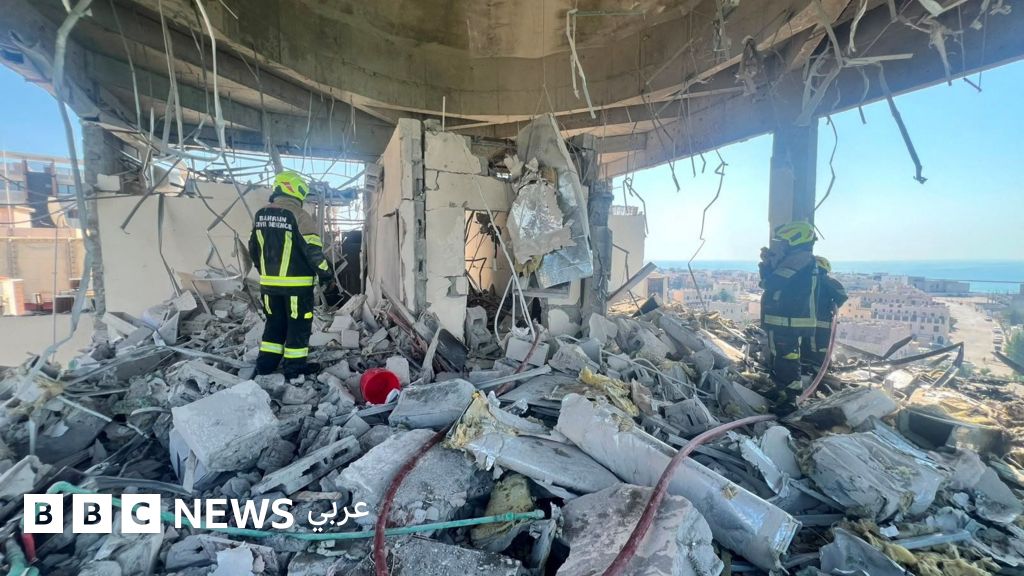
Diplomatic efforts to de-escalate tensions between the United States and Iran have intensified, with reports indicating a move toward halting direct strikes and resuming technical discussions. Despite these regional diplomatic maneuvers, the security situation in Lebanon remains volatile, as ongoing hostilities persist alongside the framework agreement with Israel.
Shifting Dynamics in U.S.-Iran Relations
Recent reports suggest that Washington and Tehran are exploring channels to curb further escalation. According to reporting from Axios, the U.S. and Iran have agreed to stop escalation and resolve the Hormuz dispute in Qatar. These talks are aimed at stabilizing a region that has seen military friction.

The U.S. government has maintained a consistent public stance regarding the status of these communications. A U.S. official speaking to Sky News Arabia clarified that reports suggesting a suspension of technical talks with Iran are inaccurate, emphasizing that the channels for communication remain open.
Maritime Security and De-escalation
The primary objective of these technical discussions is the stabilization of international shipping lanes. A U.S. official, as cited by CNN Arabic, indicated that the escalation with Iran will stop and ships can sail.
This approach reflects a strategic pivot, which seeks to manage Iranian influence while avoiding a direct military confrontation. The use of Qatar as a mediator is consistent with efforts to facilitate negotiations.
Lebanon Under Fire Amidst Framework Negotiations
While the U.S. and Iran seek a measure of stability, the situation on the ground in Lebanon continues to be defined by kinetic conflict. Despite the existence of a framework agreement intended to govern the cessation of hostilities between Israel and Hezbollah, the border region remains highly unstable. Reports indicate that active exchanges of fire continue.
The discrepancy between high-level diplomatic commitments and the reality of daily operations in southern Lebanon is a point of concern for international observers. The framework agreement, which is intended to provide a pathway for the stabilization of the Blue Line, has struggled to contain the frequency of cross-border strikes.
What Happens Next
The immediate future of these negotiations depends on the ability of mediators to translate technical commitments into tangible, verifiable actions on the ground. For the U.S.-Iran track, the next milestone will be the continued operation of maritime safety protocols and the avoidance of further incidents in the Persian Gulf. Observers expect further updates following the next round of scheduled technical meetings in Doha.
In Lebanon, the focus remains on the implementation phase of the existing framework agreement. International stakeholders are expected to monitor the progress of security guarantees in the coming days. As the situation evolves, official statements remain the primary sources for verified updates on the security environment.
We invite our readers to share their perspectives on these developments in the comments section below, and to follow our ongoing coverage for the latest verified reports on international security.