
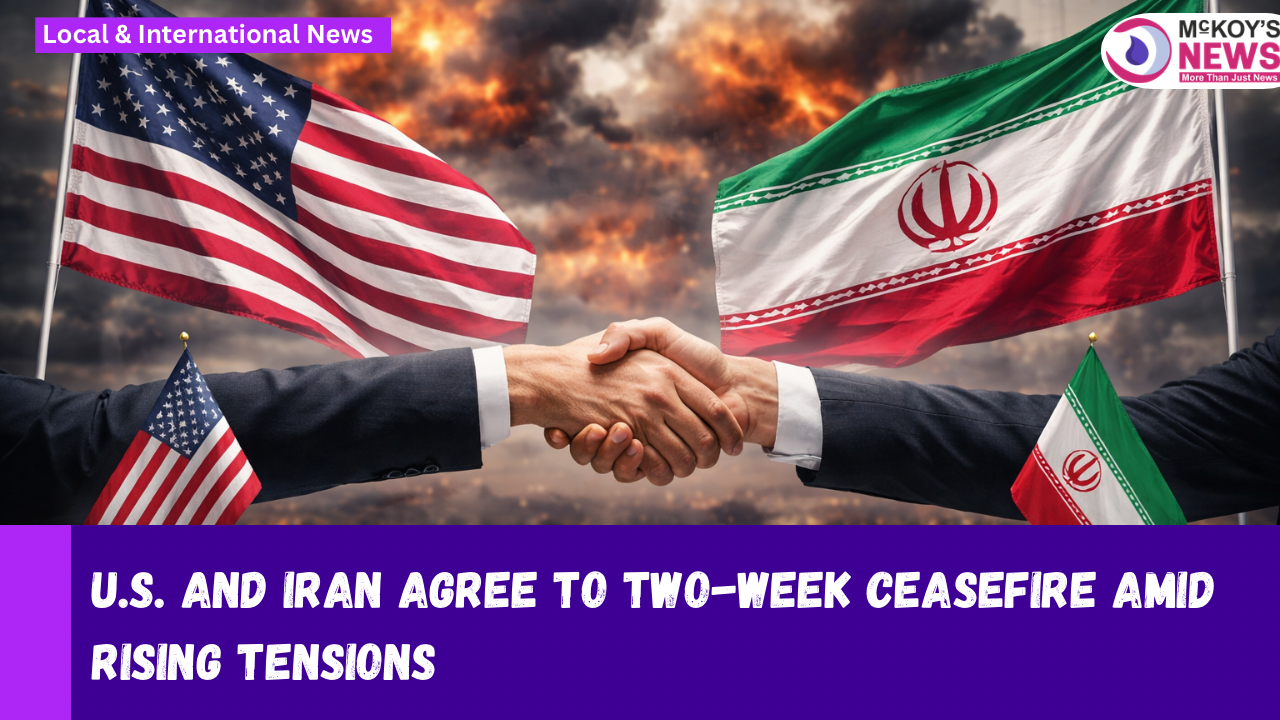
Representatives from the United States and Iran have reportedly reached an agreement to pause military strikes and convene for diplomatic discussions in Qatar this week. The development follows a period of heightened regional volatility, with both nations seeking to address tensions surrounding maritime security in the Strait of Hormuz.
According to reports, the proposed meeting aims to establish a framework for de-escalation, though the situation remains fluid. The commitment to halt hostilities serves as a potential cooling-off period after escalating rhetoric and periodic direct exchanges between the two nations. This diplomatic effort is being monitored closely by international observers who emphasize that while direct communication is a positive step, the underlying geopolitical friction persists.
Diplomatic Channels and the Path to Qatar
The decision to meet in Qatar represents a return to established mediation channels that have historically been used to facilitate dialogue between Washington and Tehran. Qatar, which maintains a unique position as an interlocutor for both sides, has frequently hosted such discussions to prevent regional miscalculations. The primary objective of the upcoming talks is reportedly to secure a mutual understanding regarding the safety of transit through the Strait of Hormuz, a critical global shipping artery.

The U.S. government has historically maintained a significant naval presence in the region to protect commercial vessels. Conversely, Iranian officials have frequently expressed opposition to this presence, viewing it as a challenge to their regional sovereignty. By moving the conversation to a diplomatic setting, both parties are attempting to transition from a cycle of reactive military posturing to a structured negotiation process.
Regional Tensions and Military Activity
The agreement to pause strikes follows a series of incidents that brought the two nations to the brink of direct conflict. Throughout recent months, the exchange of threats has been punctuated by localized military actions, including the seizure of vessels and the deployment of additional military assets to the Persian Gulf. Maintaining freedom of navigation remains a priority, and any agreement to halt strikes is predicated on the cessation of provocations against international shipping lanes.
For its part, the Iranian government has consistently argued that its actions are a response to external sanctions and the heavy military footprint of Western powers in the Middle East. The shift toward dialogue this week is seen by analysts as a pragmatic necessity, as both governments face domestic and international pressure to avoid an all-out military confrontation that would likely disrupt global energy markets and regional stability.
What Happens Next
The success of the meetings in Qatar will be measured by the immediate cessation of hostile maneuvers in the Persian Gulf. While the agreement to halt strikes is a critical development, it is not a formal treaty or a comprehensive resolution to the long-standing differences between the two nations. Observers are looking for signs of a sustained commitment to these talks, specifically whether both sides will provide the necessary space for diplomats to work without the interference of new military incidents.

The next confirmed checkpoint will be the conclusion of the scheduled sessions in Qatar, where representatives are expected to issue updates on their progress toward a more permanent de-escalation agreement. As this story continues to develop, further official statements are expected to clarify the scope of the commitments made. Readers are encouraged to check back for verified updates as information emerges from these proceedings.