
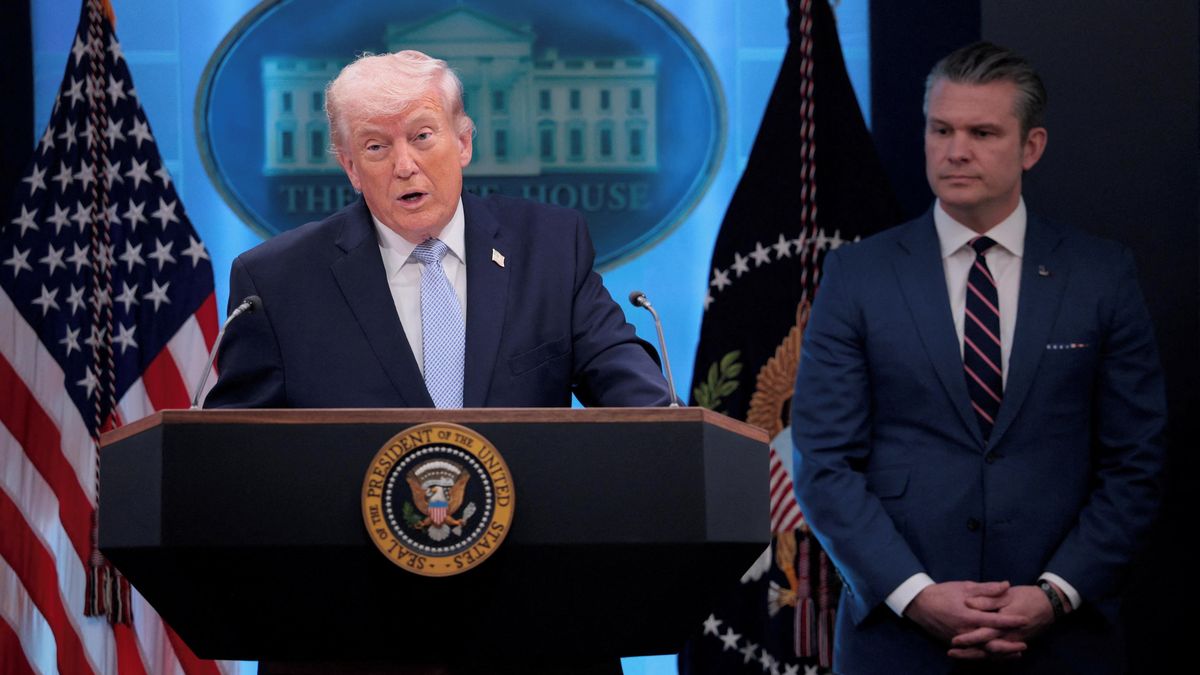
In a dramatic reversal that occurred less than two hours before a self-imposed deadline, President Donald Trump announced a two-week ceasefire with Iran on Tuesday, April 7, 2026, halting threats of massive strikes against the nation’s energy and transportation infrastructure USA TODAY. The announcement comes after weeks of escalating tensions and a nearly six-week-long war that began with joint U.S. And Israeli strikes on February 28 CBS News.
The Trump ceasefire with Iran is described by the president as a “double sided CEASEFIRE,” contingent upon the immediate and safe opening of the Strait of Hormuz. This critical waterway, which typically carries one-fifth of the world’s oil, had been blocked by Iran, leading to a surge in global fuel prices and significant economic instability CBS News. Trump stated on social media that the decision to suspend bombing was based on the belief that the United States had “already met and exceeded all Military objectives” USA TODAY.
The diplomatic breakthrough followed a period of extreme rhetoric, during which President Trump threatened to “wipe out a ‘whole civilization'” if Iran did not relinquish its grip on the Strait of Hormuz by 8 p.m. ET on Tuesday USA TODAY. The sudden shift toward a pause in hostilities suggests a fragile window for negotiation, facilitated by third-party mediators and a newly proposed framework for peace.
The Road to Islamabad: A 10-Point Plan for Peace
The path to the ceasefire was paved by a “workable” 10-point plan for peace submitted by Iran to the White House USA TODAY. This document will serve as the basis for direct negotiations between the two nations. According to official reports, the U.S. And Iran are scheduled to begin these negotiations in Islamabad, Pakistan, starting Friday AP News.
The intervention of Pakistani leaders played a pivotal role in the negotiations. President Trump specifically cited the efforts of Pakistan as the reason for holding off the “destructive force” that had been prepared for deployment on Tuesday night USA TODAY. This diplomatic bridge appears to have provided the necessary channel for Iran to signal its willingness to coordinate safe passage through the Strait of Hormuz in exchange for a halt in U.S. Attacks.
Iranian Foreign Minister Seyed Abbas Araghchi confirmed the agreement, stating that Iran would observe the ceasefire provided that attacks on its territory are halted USA TODAY. Araghchi further noted that Iranian armed forces would coordinate to ensure the safe passage of shipping through the critical chokepoint CBS News.
Regional Fractures: Israel and the Lebanon Conflict
While the ceasefire represents a pause in the direct conflict between the U.S. And Iran, the regional security landscape remains fragmented. Israel has agreed to the ceasefire proposal, provided that Iran opens the Strait of Hormuz USA TODAY. However, the scope of this agreement is strictly limited.
Israel has explicitly stated that the ceasefire with Iran does not extend to its ongoing war in Lebanon against Hezbollah AP News. This distinction indicates that while the immediate threat of a total war between the U.S., Israel, and Iran may have subsided for two weeks, other regional conflicts continue to escalate independently. The joint campaign launched by the U.S. And Israel on February 28 had seen thousands of targets struck within Iran, leading to retaliatory strikes from Iran on Israel and various U.S.-allied nations in the Gulf region CBS News.
Market Reaction: Oil Prices Plummet
The global economy responded almost instantly to the news of the ceasefire. As the Strait of Hormuz is a vital artery for global energy, the threat of its continued closure had driven oil prices to highs not seen in years CBS News.

Immediately following President Trump’s announcement, oil futures plummeted. The U.S. Benchmark West Texas Intermediate (WTI) fell by more than 13%, dropping to below $92 a barrel within one hour CBS News. Despite this sharp decline, prices remained above pre-war levels as the market awaits confirmation that the Strait of Hormuz has been fully and safely reopened.
Key Takeaways of the US-Iran Ceasefire
- Duration: A two-week “double sided” ceasefire effective as of April 7, 2026.
- Primary Condition: The complete and safe reopening of the Strait of Hormuz for oil shipments.
- Diplomatic Next Step: Negotiations based on a 10-point peace plan will begin this Friday in Islamabad, Pakistan.
- Exclusions: The ceasefire does not include Israel’s military operations against Hezbollah in Lebanon.
- Economic Impact: WTI oil prices dropped over 13% to below $92 a barrel shortly after the announcement.
The international community now looks toward the Friday meetings in Islamabad to see if this two-week pause can be converted into a long-term peace agreement. The stability of the global economy remains tethered to the continued flow of oil through the Strait of Hormuz and the ability of both sides to adhere to the terms of the suspension.
The next confirmed checkpoint is the start of peace negotiations in Islamabad on Friday, April 11, 2026.
What are your thoughts on the sustainability of this ceasefire? Share your perspective in the comments below or share this article to join the conversation.