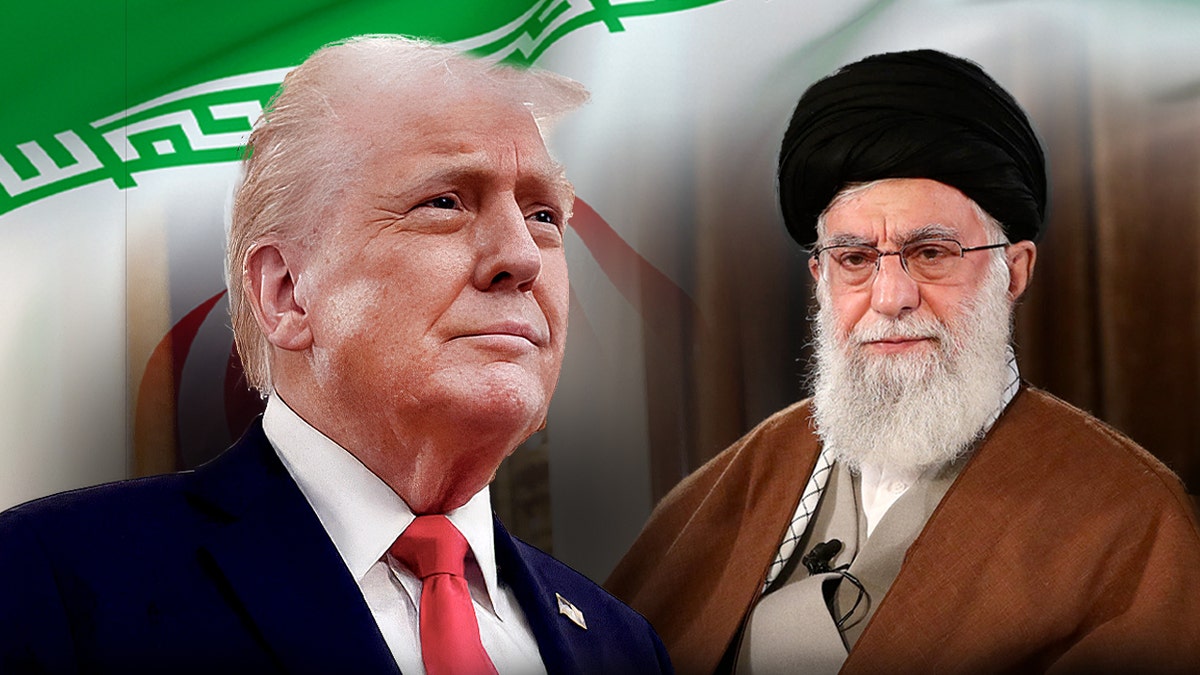
The geopolitical landscape of the Middle East has shifted into a state of precarious stability following a last-minute diplomatic breakthrough. The United States and Iran have officially agreed to a two-week ceasefire, a move that has temporarily lowered the temperature in a region that appeared to be on the brink of a wider conflict.
Whereas the agreement provides a critical window for diplomacy, the deal is not without its frictions. The truce arrives after a period of intense tension and a looming deadline set by the Trump administration, with Pakistan emerging as an unexpected but pivotal mediator in the negotiations. However, as the world watches the clock, a secondary diplomatic mystery has emerged regarding the communication style of Pakistani Prime Minister Shehbaz Sharif, specifically whether the phrasing of Pakistan PM Sharif’s X post regarding the peace efforts was authored by the Prime Minister himself or a U.S. Partner.
This development highlights the complex interplay of influence in modern diplomacy, where the wording of a social media post can be as scrutinized as the text of a formal treaty. As the two-week window begins, the international community remains focused on whether this pause in hostilities is a genuine path toward lasting peace or merely a tactical delay.
The Terms of the U.S.-Iran Truce
The current ceasefire is defined by its brevity and its specific limitations. The agreement establishes a strictly limited two-week window intended to stop immediate hostilities between the U.S. And Iran. However, the scope of the peace is contested; Israeli officials have explicitly stated that the Iran war ceasefire does not include Lebanon, suggesting that regional volatility remains high despite the bilateral agreement between Washington and Tehran.

Central to the U.S. Position is the issue of Iran’s nuclear capabilities. President Trump has addressed the nuclear dimension of the crisis with characteristic brevity, stating that the matter of Iranian uranium will be “taken care of,” according to reports from The Guardian. This suggests that while the ceasefire halts active combat, the underlying strategic demands regarding nuclear non-proliferation remain a primary objective for the U.S. Administration.
Pakistan’s Role in the Diplomatic Bridge
Pakistan has positioned itself as a critical intermediary in this crisis. Ahead of the Trump administration’s deadline, Pakistan proposed a two-week ceasefire plan to mitigate the risk of a catastrophic escalation. This proposal provided the framework that eventually led to the current agreement.
President Trump has acknowledged the intensity of these diplomatic efforts, describing the process as “heated negotiations” over the Pakistani-led ceasefire plan. By acting as a bridge, Islamabad has attempted to navigate the narrow path between its relationship with the U.S. And its regional interests, calling for peace to avoid a scenario where global stability—and specifically the energy markets—could be permanently damaged.
The Mystery of the X Post
Amidst the high-stakes diplomacy, an unusual question has surfaced regarding the public communications of Prime Minister Shehbaz Sharif. Observers and analysts have questioned whether the specific language used in Pakistan PM Sharif’s X post regarding the ceasefire was actually drafted by the Prime Minister’s own team, or if it was written by Donald Trump or another U.S. Partner.
The speculation stems from the perceived alignment of the post’s tone and phrasing with U.S. Diplomatic objectives. In an era of “Twitter diplomacy,” the exact wording of a head of state’s social media presence is often viewed as a proxy for their actual policy alignment. While no official confirmation has been provided regarding the authorship of the post, the query highlights the perceived influence the U.S. Administration may have over its partners during crisis negotiations.
Strategic Implications: Uranium and Oil
The immediate impact of the ceasefire has been felt most acutely in the global economy. As the threat of a full-scale war receded, oil prices saw a decline, reflecting a market that had been pricing in the risk of a major disruption to energy supplies. A key component of the broader stability efforts involves the opening of the Strait of Hormuz, a critical chokepoint for global oil shipments.
However, the fragility of the deal is evident in the “uranium” caveat. The U.S. Insistence that nuclear issues be resolved indicates that the two-week ceasefire is a tactical pause rather than a comprehensive peace treaty. If the “heated negotiations” fail to produce a concrete agreement on nuclear materials before the deadline expires, the region could quickly return to the brink of conflict.
| Feature | Detail | Status/Caveat |
|---|---|---|
| Duration | 2 Weeks | Temporary window for diplomacy |
| Mediator | Pakistan | Proposed the initial ceasefire plan |
| Exclusions | Lebanon | Israel states Lebanon is not included |
| Key Issue | Uranium | Trump states it will be “taken care of” |
As the world enters this fourteen-day window of calm, the focus remains on the upcoming expiration of the truce. The next critical checkpoint will be the official review of the ceasefire terms as the two-week deadline approaches, at which point the U.S. And Iran must determine if the “heated negotiations” have yielded a sustainable long-term arrangement.
We invite our readers to share their perspectives on this diplomatic development in the comments below. Do you believe a two-week window is sufficient to resolve decades of tension? Share this article to keep the global community informed.