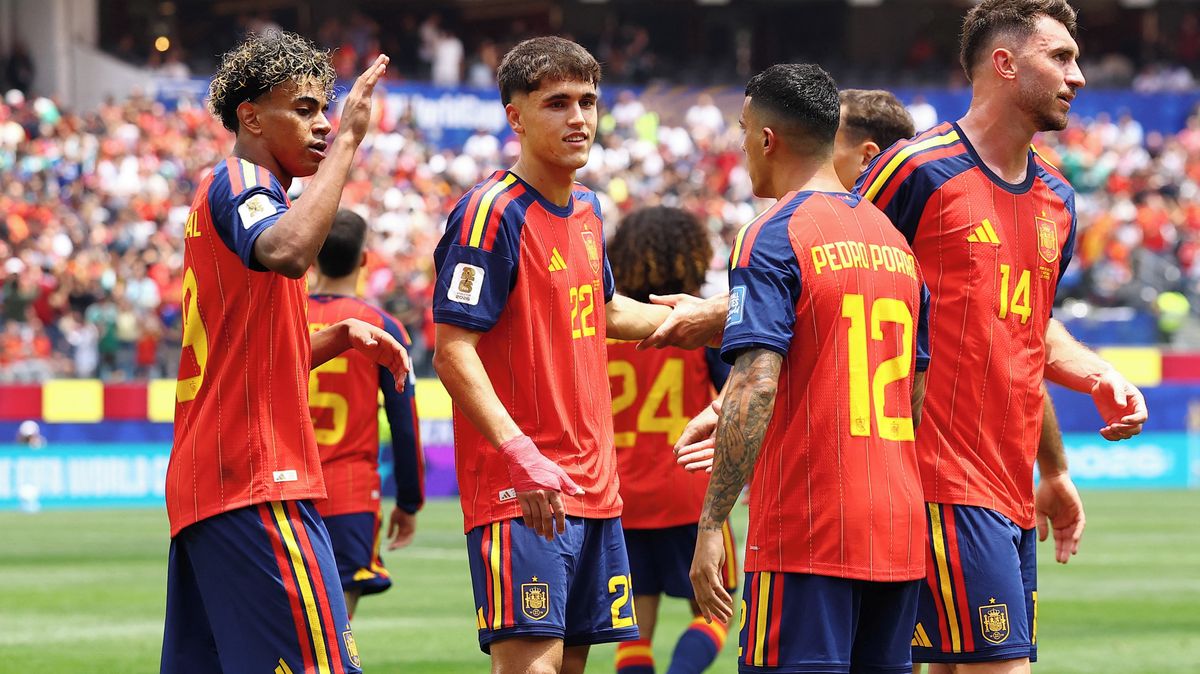
The 2026 FIFA World Cup will introduce a significantly expanded format, featuring 48 teams competing across three host nations: Canada, Mexico, and the United States. According to the official competition regulations published by FIFA, the tournament will begin with a group stage consisting of 12 groups of four teams each. The top two teams from each group, along with the eight best third-placed teams, will advance to a new round-of-32 knockout phase, marking the start of the tournament’s path toward the final.
Tournament Structure and Knockout Phase Dynamics
The expansion to 48 teams represents the largest structural change in the tournament’s history since the 1998 expansion to 32 participants. As outlined in the official FIFA tournament format documentation, the knockout stage will now begin with a round of 32. This bracket-style progression continues through the round of 16, quarterfinals, semifinals, and the final match. Unlike previous iterations, this structure requires a team to play a maximum of eight matches to reach the final, provided they progress through every stage.

The transition from group play to the knockout rounds is determined by point accumulation, goal difference, and goals scored, followed by head-to-head results if teams remain tied. FIFA has confirmed that the tournament will conclude with the final match held at MetLife Stadium in East Rutherford, New Jersey, on July 19, 2026. This venue was selected over other major contenders to host the culmination of the 104-match schedule.
Host Cities and Geographical Distribution
Matches will be distributed across 16 cities, with the United States hosting the majority of the games. The host cities include Atlanta, Boston, Dallas, Houston, Kansas City, Los Angeles, Miami, New York/New Jersey, Philadelphia, San Francisco, and Seattle in the United States; Guadalajara, Mexico City, and Monterrey in Mexico; and Toronto and Vancouver in Canada. According to FIFA’s venue announcements, this distribution is designed to minimize travel for teams during the group stages by grouping matches into regional clusters.

The logistical complexity of hosting a tournament of this scale across three time zones has necessitated rigorous coordination between the three national governing bodies. Each host city has committed to specific infrastructure upgrades to meet FIFA’s standards for pitch dimensions and stadium capacity. Information regarding local transit and fan zones is updated periodically through the official host city portals managed by the tournament organizing committee.
Strategic Impact of the 48-Team Format
The inclusion of 16 additional teams compared to the 2022 tournament in Qatar has changed the qualification landscape for regional confederations. Each confederation has been granted an increased number of slots, with the AFC, CAF, CONCACAF, CONMEBOL, OFC, and UEFA all seeing expanded representation. This shift is intended to grow the global footprint of the sport, though it has drawn commentary regarding the potential dilution of competitive density in the early stages.
For fans and analysts, the primary focus remains on the “pavouk” or tournament bracket, which will be finalized following the conclusion of the group stage. Because the third-placed teams now have a path to the knockout rounds, the final matchday of the group stage is expected to carry higher stakes for mid-tier teams that would have previously been eliminated under the 32-team format. Supporters are advised to monitor the official FIFA match schedule for real-time updates on kick-off times and venue assignments as the qualification process concludes.
Next Steps for Tournament Preparation
The next major milestone in the tournament calendar is the completion of the global qualification process, which concludes in late 2025. Following the qualification, FIFA will host the official final draw to determine the groups and the specific placement of teams within the knockout bracket. Fans interested in ticketing information should register through the official FIFA portal to receive notifications regarding sales phases, which are typically released in waves leading up to the tournament opening.

As we approach the 2026 event, the focus shifts toward team preparation and the finalization of host city operational plans. Readers are encouraged to follow official channels for verified updates on match scheduling, as third-party ticketing sites often carry significant risks. Please share your thoughts on the expanded format in the comments section below.