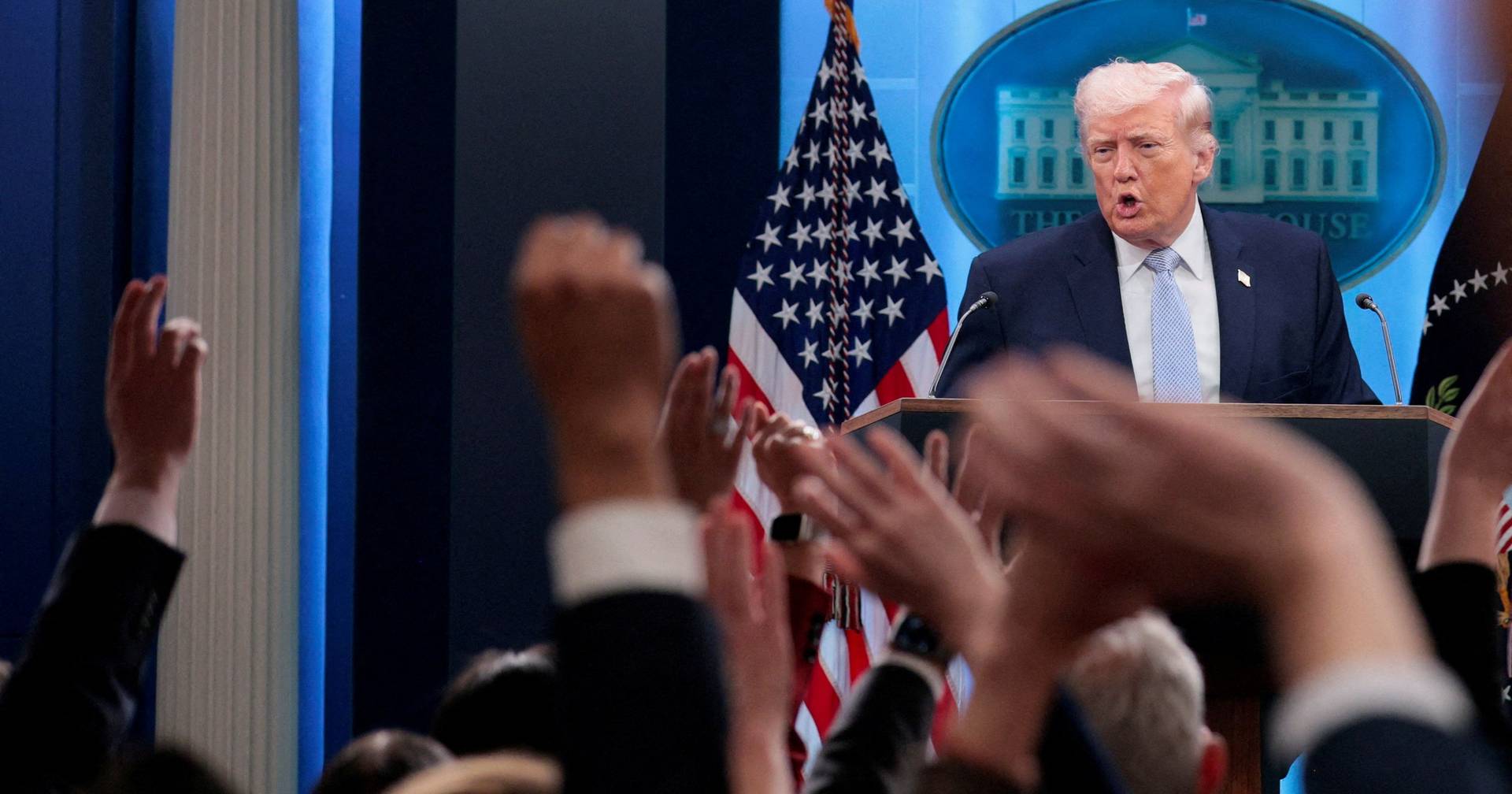
The United States and Iran have reached a tentative agreement to halt hostilities, establishing a two-week ceasefire that aims to avert a catastrophic escalation in the Middle East. This fragile truce, confirmed on Tuesday, April 7, 2026, centers on the critical reopening of the Strait of Hormuz, a vital maritime artery for global oil shipments.
The breakthrough comes after a period of intense volatility, during which U.S. President Donald Trump had issued an ultimatum threatening the total demolition of Iranian critical infrastructure. The agreement, mediated by Pakistani authorities, provides a narrow window for diplomatic engagement to prevent a full-scale regional war.
Under the terms of the deal, the U.S. Has suspended planned attacks against Iran for an initial period of two weeks. In exchange, Tehran has indicated it will allow the safe passage of vessels through the Strait of Hormuz, provided there is coordination with the Iranian Armed Forces and adherence to specific technical limitations via g1.
The geopolitical stakes were nearly at a breaking point prior to this announcement. President Trump had warned that unless the strategic chokepoint was reopened, the U.S. Would launch a “complete demolition” of Iran’s infrastructure, including power plants and bridges, within a four-hour window via Euronews.
Diplomatic Framework and the Road to Pakistan
The transition from military threats to diplomatic dialogue is anchored in a specific set of proposals. According to Iranian Foreign Minister Abbas Araghchi, the United States initially requested negotiations based on a 15-point proposal but eventually accepted a 10-point plan submitted by Iran as the foundation for dialogue via g1.

Formal conversations between the two nations are scheduled to begin on Friday, April 10, 2026, in Pakistan. This choice of venue highlights the role of Pakistani mediation in bridging the gap between the two adversaries during the current crisis.
Tehran’s peace proposal includes several stringent demands that will likely form the core of the upcoming talks. According to Iranian officials, the country requires the total complete of U.S. Sanctions, full financial compensation, and the release of all frozen Iranian assets via g1.
Internal Reactions and Strategic Posturing
The interpretation of this agreement varies wildly between the two capitals. Iranian state television has framed the deal as a “humiliating retreat” for President Trump, claiming that the U.S. Was forced to accept Tehran’s terms. However, the Iranian media has also cautioned that this two-week truce does not signify the end of the war.
Despite the ceasefire, Iran remains on high alert. The Supreme National Security Council of Iran issued a statement asserting that the country will maintain its “fingers on the trigger,” warning that any mistake by the U.S. Would be met with “full force” via g1.
The Critical Role of the Strait of Hormuz
The reopening of the Strait of Hormuz is the central pillar of this agreement because of its immense importance to the global economy. As the primary route for a significant portion of the world’s petroleum, any prolonged closure threatens global energy security and price stability.
The tension surrounding the strait reached a peak on Tuesday, April 7, when the U.S. Set a deadline for the waterway to be reopened. President Trump had specifically threatened to “dizimate” civilian infrastructure, including all bridges and power plants in Iran, if the deadline was not met via Euronews.
Military analysts had identified several high-value strategic targets that could have been hit. These included the Persian Gulf Bridge, which connects Iran’s largest mainland port to its largest Gulf island, and the Karun 4 Bridge, whose destruction could have caused severe flooding via SIC Notícias.
Potential Humanitarian and Ecological Risks
Beyond the economic impact, the threatened U.S. Strikes carried significant risks to civilian populations and the environment. A strike on Tehran’s central highway, a 11-kilometer artery used by millions daily, would have likely caused massive civilian casualties and paralyzed emergency evacuation systems via SIC Notícias.
an attack on the Lake Urmia Bridge would have dumped 35 kilometers of steel and concrete into a lake already suffering from a drying process, potentially triggering an ecological disaster via SIC Notícias.
Current Status and Next Steps
The current situation remains volatile. While the U.S. Has paused its offensive operations, the region has seen continued activity. On Tuesday, Israeli military forces reported conducting a new “wave” of airstrikes against “terrorist regime infrastructure” in Tehran and other regions via Euronews.
The success of the two-week window depends entirely on the adherence to the ceasefire and the progress of the talks in Pakistan. The primary objective for the international community is to ensure the Strait of Hormuz remains open and that the “10-point plan” provides a sustainable path toward ending the conflict.
| Feature | Detail |
|---|---|
| Duration | Initial period of two weeks |
| Key Condition | Reopening of the Strait of Hormuz |
| Mediation | Authorities of Pakistan |
| Diplomatic Basis | Iran’s 10-point plan |
| Next Major Event | Negotiations starting Friday, April 10, in Pakistan |
The next confirmed checkpoint for this crisis is the start of diplomatic negotiations in Pakistan on Friday, April 10, 2026. The outcome of these talks will determine if the ceasefire is extended or if the region returns to a state of active conflict.
We invite our readers to share their perspectives on this development in the comments below and share this report with others following the Middle East crisis.